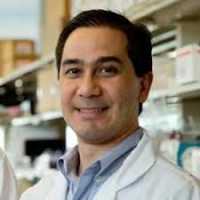
MedicalResearch.com Interview with:James Stevermer, M.D., M.S.P.H.Vice chair for clinical affairs
Professor of family and community medicine
University of Missouri
Medical director of MU Health Care Family Medicine–Callaway Physicians,
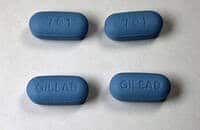
Dr. Stevermer joined the U.S. Preventive Service Task Force in January 2021.MedicalResearch.com: What is the background for this study?Response: HIV continues to be a significant public health issue. The good news is that PrEP is a safe, highly effective way to help prevent HIV in people at increased risk. There are now two ways people can take PrEP – as a pill or as a shot. We encourage healthcare professionals to have a conversation with their patients about their individual risk for HIV and determine if they should consider taking whichever form of PrEP would work best for them.
(more…)
MedicalResearch.com Interview with:
Manoj Gandhi, MD PhD
Senior Medical Director of Genetic Testing Services, Thermo Fisher Scientific.
Dr. Gandhi has been working to advance the quality of medical care globally. Using his knowledge of Clinical Medicine and Molecular Biology/Pathology, he is focused on bridging these two fields and bringing innovative solutions that help advance science, the practice of medicine with the ultimate goal of impacting patient lives, whether it be in Infectious Diseases or Oncology or Personalized Medicine. This approach allows him to explore creative ways to utilize technology to help better identify diseases and improve the direction and value of treatment.MedicalResearch.com: What are the most common STIs prevalent in the US and worldwide today?Response: By far, the most common STIs in the US and worldwide is Human Papillomavirus (HPV) that can cause cervical cancer in women and Herpes Simplex Virus (HSV) that is the cause of genital herpes. Outside of these two major causes of STI, the others that are very common are Chlamydia, Gonorrhea, Trichomoniasis and Syphilis. It is important to note that the reported cases represent only a subset of the individuals with an infection as many may be asymptomatic and could be spreading these STIs to others. HIV is another STI that is common but usually rests in its own category due to its impact.
(more…)
MedicalResearch.com Interview with:
Shokrollah Elahi PhD
Associate Professor at University of Alberta
MedicalResearch.com: What is the background for this study? Response: CD8+T cells (killer T cells) play an important role against virally infected and cancer cells, however, their functional properties get compromised during the course of HIV infection and cancer. CD73, is one of molecules that influences killer T cell functions but its role in the context of viral infections has not been well defined.
In this study, we analyzed the presence of this protein (CD73) on killer T cells in a cohort of 102 HIV-infected individuals. We found that the proportion of killer T cells expressing this protein was substantially lower among different killer T cell subsets obtained from the blood of HIV-infected individuals compared to individuals who were not infected with HIV. Notably, CD73 was decreased at the intracellular protein and gene levels. This suggests that the CD73 gene gets suppressed by a specific mechanism in HIV-infected individuals.
Furthermore, we decided to better understand the difference between killer T cells having CD73 versus those who do not. We found that CD73 was essential for the migratory capacity of killer T cells. It means killer T cells without this protein have impaired ability to move into the tissues. This implies that lack of CD73 prevents killer T cells from homing into the tissue where HIV reservoirs are hidden.
(more…)
MedicalResearch.com Interview with:
Rachael Pellegrino, MD
Vanderbilt University Medical Center
MedicalResearch.com: What is the background for this study?
Response: We know that HIV care and outcomes have dramatically improved over the last 20 years, but disparities still exist at each step of the HIV care continuum, which can ultimately lead to differences in mortality rates. In addition to assessing trends and disparities in mortality, we wanted to look at differences in premature mortality, which has not been widely studied in the HIV population in the US. This concept serves to emphasize and quantify the time lost by death at an early age as an important measurement of the impact of diseases and can expose disparities that are not apparent in the mortality rates alone.
(more…)
MedicalResearch.com Interview with:
Steve Kanters, PhD MScPresident and Lead Analyst
RainCity Analytics
School of Population and Public Health, University of British Columbia
Vancouver, British Columbia, Canada
MedicalResearch.com: What is the background for this study? Response: A watershed moment for the fight against HIV was the antiretroviral treatment (ART) scale-up that made HIV treatments available around the world. While HIV activism led to its initiation, two key ingredients to the ART scale-up were the advent of a once-daily single-pill HIV treatment and the creation of the World Health Organization (WHO) clinical guidelines for treatment and prevention of HIV. The HIV treatment in question combines three drugs in a single pill and centers around a drug called efavirenz.
The WHO guidelines use a public health framework, which is to say that it uses a treatment algorithm that is both equitable and simple enough to allow some task-shifting to less specialized workers. As such, the guidelines suggest a single preferred treatment for people initiating HIV treatment. While resource rich countries can use a personalized medicine approach, many settings where HIV is endemic cannot.
In 2015, our review found strong evidence that a newer HIV drug, called dolutegravir, was better than efavirenz in respect to efficacy, tolerability and safety; however, there was not enough evidence to support its use in key populations, such as people with HIV-tuberculosis co-infections and pregnant women. For this and other reasons, the WHO could not recommend its use as the preferred treatment at initiation.
Since then, we have continued to dynamically assess the evidence to determine the best treatment to have as the preferred ART for first-time HIV treatment. This is the culmination of 6 years of work and its findings have helped the WHO change its recommended preferred first-line therapy from an efavirenz-based ART to a dolutegravir-based ART.(more…)
MedicalResearch.com Interview with:
Gordon Mansergh, PhD
Senior Behavioral ScientistCDC Division of HIV/AIDS Prevention
MedicalResearch.com: What would you say is the take home message from the study?Response: A small but notable subgroup of gay and bisexual men are sharing their PrEP medication with others. As PrEP continues to be more commonly used, it is important to better understand and address the context of PrEP sharing, and to emphasize messaging about provider monitoring of medication use over time for health and safety reasons. (more…)
MedicalResearch.com Interview with:
James Egan, Ph.D., M.P.H.
Assistant Professor
Behavioral and Community Health Sciences
Pitt Public Health
MedicalResearch.com: What is the background for this study? Response: When taken as a daily pill, pre-exposure prophylaxis (PrEP) reduces the risk of getting HIV from sex by about 99%, according to the Centers for Disease Control and Prevention. However, adhering to a daily medication regimen doesn’t work for everyone for reasons that include cost and individual concerns about the biological consequences of long-term medication. Previous studies have shown that there are certain periods when some men who have sex with men may be more vulnerable to contracting HIV, including when traveling, on vacation, moving to a new city or after a break-up. Our team set out to explore whether these men might be more receptive to adhering to PrEP treatment during these times.
We followed 48 adult men from Pittsburgh or Boston who have sex with men in a pilot program to test the daily use of PrEP for 30 days that included an out-of-town vacation, with the men starting the medication seven days before the trip and continuing for at least seven days after vacation. The men were also given a brief session introducing them to the use of PrEP and discussion adherence.
(more…)
MedicalResearch.com Interview with:
Susan Swindells MBBS
Professor, Infectious Diseases
Department of Internal Medicine
University of Nebraska Medical Center
Omaha, NE
MedicalResearch.com: What is the background for this study?
Response: The background for this study is the development of long-acting injectable formulations of two antiretroviral agents: cabotegravir and rilpivirine. These were previously tested in a Phase 2 study, and the current study (called ATLAS) reports findings from Phase 3 in which HIV-infected patients on antiretroviral therapy were switched to monthly injections.
The partner study, (FLAIR), is published in the same addition of the journal, and reports results from patients that were new to antiretroviral therapy, and took oral medications as a lead-in to achieve viral suppression before switching to similar monthly injections. Both studies included randomization to continuing oral antiretroviral therapy.
(more…)
MedicalResearch.com Interview with:
Jason Ong, PhD, MMed, MBBS, FAChSHM, FRACGP
Twitter: @DrJasonJOng
Sexual Health Physician, Melbourne Sexual Health Centre, Alfred Health
Associate Professor (Hon), London School of Hygiene and Tropical Medicine, UK
Central Clinical School, Monash University, Australia
Melbourne School of Population and Global Health, University of Melbourne, Australia
Associate Editor, Sexually Transmitted Infections
Special Issues Editor, Sexual Health
Board Director, ASHM MedicalResearch.com: What is the background for this study? Response: HIV pre-exposure prophylaxis (PrEP) is being rolled out globally. This will protect many people from HIV, however PrEP does not protect against other sexually transmitted infections (STI). So we wanted to quantify how much STIs are in PrEP users as a means to advocate to strengthen sexual health services in these settings where PrEP is being offered.
(more…)
MedicalResearch.com Interview with:
Rosalie Hayes
Senior Policy & Campaigns Officer
NAT (National AIDS Trust)
MedicalResearch.com: What is the background for this study? Response: The international community has committed to the Sustainable Development Goal of ending the AIDS epidemic by 2030 (SDG 3.3). Pre-exposure prophylaxis (PrEP) for HIV infection involves the use of antiretroviral drugs by people at high risk of acquiring HIV, and its efficacy of PrEP is well-documented. To help achieve SDG 3.3, the Joint United Nations Programme on HIV/AIDS (UNAIDS) has recommended as one of its global targets that 3 million people access PrEP by 2020.
For this paper, we examined European Centre for Disease Prevention and Control (ECDC) and UNAIDS monitoring data from Europe and Central Asia (the 53 countries of the WHO European Region plus Kosovo* and Liechtenstein) to identify what progress has been made in implementing PrEP in these countries. We also used data on self-reported PrEP use and expressed need for PrEP among men who have sex with men (MSM) from the European MSM Internet Survey (EMIS-2017) to calculate an estimate of the level of unmet need for PrEP in each country, what we term the ‘PrEP gap’.(more…)
MedicalResearch.com Interview with:
Martin Hoenigl, MDAssistant Professor
UCSD
MedicalResearch.com: What is the background for this study? Response: Technology has changed the way men-who-have-sex-with-men (MSM) seek sex. Over 60% of MSM in the US use the internet and/or smartphone-based geospatial networking apps to find sex partners. Grindr™, a sophisticated geosocial networking app, is the most frequently used dating app among MSM in the United States. Previous research has shown that MSM who use Grindr™ have a greater frequency risky sexual behavior, and more sexual partners, but little is known about the association between Grindr™ use and prevention behavior such as the use of HIV pre-exposure prophylaxis (PrEP).
We evaluated risk behavior, PrEP use, and Grindr™ usage among MSM receiving community-based HIV and bacterial sexually transmitted infection (STI) screening in central San Diego. Participants who tested negative for HIV and who were not on PrEP were offered immediate PrEP.(more…)
MedicalResearch.com Interview with:
Dr. Richard J. Hayes, DSc, FMedSci
Professor of Epidemiology and International Health
London School of Hygiene and Tropical Medicine
MedicalResearch.com: What is the background for this study? Response: HIV incidence rates remain at very high levels in many parts of southern Africa. Universal testing and treatment (i.e., ensuring that everyone in a community tests for HIV and that everyone diagnosed with HIV is started on treatment as soon as possible) has been proposed as a strategy to achieve steep reductions in HIV incidence in generalized epidemics. Prior trials have shown inconsistent results as to whether this strategy could be effective.
HPTN 071 (PopART) was carried out in 21 urban communities in Zambia and South Africa, with individual communities randomly assigned into one of three arms: A, B or C. The 14 communities in Arms A and B received annual rounds of home-based HIV testing by community health workers who supported linkage to care, antiretroviral therapy (ART) adherence and other HIV services. The seven communities in Arm C received the local standard of care. We looked to see if the HIV incidence in the communities receiving universal testing and treatment would be lower (over time) compared to the incidence in the standard of care communities.
(more…)
MedicalResearch.com Interview with:
Rogério Meireles Pinto, LCSW, Ph.D.
Professor and Associate Dean for Research
University of Michigan School of Social Work
MedicalResearch.com: What is the background for this study? Response: In order to decrease the rate of HIV infection, interventions to scale up PrEP will need to address identified barriers at multiple ecological levels. In the past decade, interventions proposed to address PrEP implementation barriers were limited to one ecological level or another (e.g., individual or community). The failure to consider interventions targeting multiple ecological levels simultaneously may help explain why PrEP implementation is lagging. This failure is also due to methodological limitations of PrEP implementation studies.This high-quality paper presents a thorough and theoretically grounded review of original research on HIV Pre-Exposure Prophylaxis (PrEP) implementation in the U.S.
(more…)
MedicalResearch.com Interview with:
John W. Epling, Jr., M.D., M.S.Ed
Professor of Family and Community Medicine
Virginia Tech Carilion School of Medicine
Roanoke, VA
USPSTF Task Force Member
Medical Director of Employee Health and Wellness
Carilion Clinic
Dr. Epling maintains an active clinical primary care practiceMedicalResearch.com: What is the background for this study? Response: HIV continues to be a significant public health issue, with about 40,000 people diagnosed each year. The U.S. Preventive Services Task Force reviewed the most recent evidence on how primary care clinicians can best help prevent HIV and its devastating health consequences. We looked at the research on two different topics: screening for HIV, and pre-exposure prophylaxis—a medication that prevents HIV, commonly known as PrEP.(more…)
MedicalResearch.com Interview with:
Brent E. Palmer, PhD
Associate Professor of Medicine
Director, ClinImmune and ACI/ID Flow Cytometry Facility
Division of Allergy and Clinical Immunology
University of Colorado Anschutz Medical College
Aurora, Colorado 80045MedicalResearch.com: What is the background for this study? What are the main findings?Response: Previous studies showed that in western populations, men who have sex with men (MSM) have a distinct gut microbiome composition when compared with men who have sex with women (MSW).
We wanted to understand how these microbiome differences in MSM could impact their immune system. To test this, we transferred feces from healthy MSW and MSM to gnotobiotic (germ-free) mice and examined the immune system in the mice post-transplant. In mice that received transfers from MSM, there were higher frequencies of activated T cells in gut tissues, which are the primary targets of HIV.
This result suggested that gut microbes associated with MSM sexual behavior may actually contribute to HIV transmission by driving activation of HIV target cells. In fact, when we stimulated human gut derived cells with gut microbes isolated from MSM and MSW, cells that were stimulated with microbes from MSM were infected at a higher rate.
(more…)
MedicalResearch.com Interview with:
Perry N Halkitis, PhD, MS, MPH
Dean and Professor
Department of Urban-Global Public Health
Rutgers Public HealthMedicalResearch.com: What is the background for this study? What are the main findings?Response: The rate of human papillomavirus (HPV) infection is high among young minority gay, bisexual, and other men who have sex with men despite the availability of a vaccine that can prevent the infection, a Rutgers School of Public Health study found.
(more…)
MedicalResearch.com Interview with:
Tatiana Garcia-Bates, Ph.D.
Research Assistant Professor
Department of Infectious Diseases and Microbiology
Graduate School of Public Health
University of Pittsburgh
MedicalResearch.com: What is the background for this study? Response: Human immunodeficiency virus (HIV) infection is now a manageable disease with the advent and availability of highly effective, combination antiretroviral therapy (ART). Unfortunately, as soon as ART is interrupted, the virus quickly rebounds to high levels and again targets the immune system. Therefore, new immunotherapeutic treatments are sought to re-program the immune system to control the virus after ART interruption.
In many ways, chronic HIV infection, even when controlled, resembles cancer in how it impacts the immune system. Both conditions for example are associated with immune dysfunction, where the immune cells (specifically T cells) that are supposed to protect our bodies against invading microorganisms or cancers become exhausted and fail to respond effectively. In cancer, effective immunotherapies have been developed to reverse this immune exhaustion to extend the fighting capacity of the T cells.
An example of this is drugs that target immune checkpoints, or “shut down” proteins, expressed on activated T cells, such as the programmed death-1 (PD-1) receptor. When engaged, PD-1 sends a negative signal to deactivate the T cell, and this contributes to the immune exhaustion seen in both cancer and in chronic infections. Some cancers express the ligand or the “trigger” for this shut down receptor, called PD-1 ligand (PD-L1). When this interaction between PD-1 and PD-L1 is interrupted, for example by using a blocking antibody, T cells can regain their killing capacity and destroy infected cells or cancer cells. This anti-PD-1 therapy has demonstrated high success against a variety of tumors.
Therefore, we tested this approach in the context of HIV infection using a well-characterized cohort of HIV-positive individuals to see if we could improve their T cell responses to HIV in a laboratory setting.
(more…)
MedicalResearch.com Interview with:
Rachel Rodin
Centre for Communicable Diseases and Infection Control
Public Health Agency of Canada
MedicalResearch.com: What is the background for this study? What are the main findings?Response: On December 1, 2016 (World AIDS Day), the Honourable Jody Wilson-Raybould, federal Minister of Justice, committed to working with provinces and territories, affected communities, and medical professionals to examine the criminal justice system’s response to non-disclosure of HIV status in the context of sexual relations.
To this end, Justice Canada worked with the Public Health Agency of Canada (PHAC), provincial and territorial public health and justice counterparts, and a variety of other stakeholders to develop a comprehensive report on the issue of HIV non-disclosure. As part of this work, Justice Canada asked PHAC to provide an assessment of the most recent medical science on sexual HIV transmission risk.
In collaboration with external peer reviewers, PHAC undertook a systematic review of the full body of scientific evidence on sexual HIV transmission risk. The review found that the risk of sexual transmission of HIV is negligible when an individual is taking antiretroviral therapy as prescribed and maintains a suppressed viral load. The review also concluded that the risk remains low when the individual is on antiretroviral therapy with varying viral load, or is not on antiretroviral therapy but uses condoms. (more…)
MedicalResearch.com Interview with:
Brandon Brown, MPH, PhD
Associate Professor
Center for Healthy Communities
Department of Social Medicine, Population and Public Health
UCR School of Medicine
Riverside, CA
MedicalResearch.com: What is the background for this study? What are the main findings?Response: The authors have been working in Lima, Peru on HIV-related projects for over 17 years. This particular study arose out of interest from our main community collaborator and the only gay men’s health NGO in Lima, Epicentro Salud (http://epicentro.org.pe/index.php/en/). The NGO noticed that one of the main health issues among their clients was genital warts. When we learned this, we applied for funding through the Merck Investigator Initiated Studies Program to conduct a study examining the link between genital warts and incident HIV infection.
Although most studies have shown a general link between HPV and HIV co-infection, our findings illustrate the strong relationship between individual HPV types and HIV infection. Specifically, individuals in our study with any HPV type, more than one HPV type, or high-risk HPV were more likely to acquire HIV.
(more…)
MedicalResearch.com Interview with:
Brinda Emu, MD
Assistant Professor of Medicine (Infectious Diseases)
Yale School of Medicine
MedicalResearch.com: What is the background for this study? Response: This was a Phase 3 study of a new antiretroviral agent, ibalizumab, for the treatment of HIV-1 infection. Ibalizumab is a monoclonal antibody that targets the CD4 receptor on host cells. CD4 is the receptor that HIV uses to infect CD4+ T cells. By binding to the CD4 receptor, ibalizumab prevents viral entry. This study recruited patients that harbor multi-drug resistant HIV and were failing their current regimen of antiretroviral agents, and thus had limited options for treatment of their HIV-1 infection using approved medications.
(more…)
MedicalResearch.com Interview with:
Stanley Lewis, M.D.
TaiMed Biologics
Irvine, CA 92614
MedicalResearch.com: What is the background for this study? Response: The phase III clinical trial was conducted to assess the efficacy and safety of Trogarzo™ (ibalizumab-uiyk) injection in patients with multidrug resistant HIV-1. The study design was approved by the FDA. Results obtained were included in the New Drug Application submitted to the FDA which approved Trogarzo™ on March 6, 2018.
The phase III, open-label study, enrolled 40 patients with multidrug-resistant (MDR) HIV-1 in whom multiple antiretroviral therapies had failed. All patients at baseline were experiencing viral failure. After a seven-day control period, patients received an intravenous 2000 mg loading dose of Trogarzo™ which was the only change made to their antiretroviral regimen. Through the 24-week treatment period of the study, patients were given a maintenance dose of 800 mg of Trogarzo™ every two weeks along with an optimized background regimen that included at least one additional fully active agent.
(more…)
MedicalResearch.com Interview with:
Shan Rajendra MBBCh, MSc , MD, FRCP, FRACP
Professor of Medicine
University of New South Wales
Director of Medicine & Clinical Executive Director
Bankstown-Lidcombe Hospital
Director Gastro-Intestinal Viral Oncology Group
Ingham Institute for Applied Medical Research
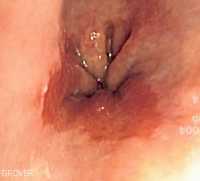
SydneyMedicalResearch.com: What is the background for this study? Response: High-risk human papillomavirus(HPV) infection has been strongly associated with a subset of Barrett’s dysplasia and oesophageal adenocarcinoma.
The research question was; Does HPV status of Barrett’s high-grade dysplasia and esophageal adenocarcinoma influence survival as in viral positive head and neck cancers?
We therefore sought to determine the prognostic significance of esophageal tumor HPV status and associated viral transcriptional markers (E6/E7 mRNA and p16INK4A) and TP53.
(more…)
MedicalResearch.com Interview with:
Kathleen Squires MD
Director, Division of Infectious Diseases
Jefferson University Hospitals and
Ming-Tai Lai, PhD
Senior Principal Scientist, Biology Discover
Merck
MedicalResearch.com: What is the background for this study? What are the main findings?Dr. Squires: The DRIVE-FORWARD study is a pivotal, randomized, double-blind, Phase 3 study that evaluated the safety and efficacy of doravirine (DOR), a non-nucleoside reverse transcriptase inhibitor (NNRTI) in treatment-naïve adults with HIV-1 infection. Data from week 48 of this trial have previously been presented demonstrating that doravirine met its primary endpoint of non-inferior efficacy compared to ritonavir-boosted darunavir (DRV+r). In addition, at 48 weeks, a secondary endpoint showed that the doravirine-treated group had statistically significant lower levels of fasting LDL-C and non-HDL-C versus the DRV+r group.
The data presented at AIDS 2018 are week 96 data from the DRIVE-FORWARD trial.
At week 96, the doravirine group demonstrated efficacy of 73.1% compared with 66.0% in the DRV+r group, a treatment difference of 7.1% (95% CI: 0.5, 13.7) Two participants in the DOR treatment group developed genotypic and phenotypic resistance to DOR through 96 weeks of treatment. The rate of discontinuation of therapy due to adverse events was 1.6 percent in the DOR group and 3.4 percent in the DRV+r group.
Doravirine is a late-stage investigational NNRTI for the treatment of HIV-1 infection in treatment-naïve adults and is being evaluated both as a once-daily single-entity tablet in combination with other antiretroviral agents, and as a once-daily fixed-dose combination regimen with lamivudine (3TC) and tenofovir disoproxil fumarate (TDF). Earlier this year, Merck announced that the FDA accepted for review two New Drug Applications (NDAs) for doravirine for the treatment of HIV-1 infection in treatment-naïve adults. The NDAs are based upon the findings at week 48 of two ongoing Phase 3 trials, DRIVE-FORWARD and DRIVE-AHEAD, evaluating the efficacy and safety of doravirine and the fixed-dose combination regimen of DOR/3TC/TDF, respectively. The FDA has set a target action date of October 23, 2018 for both applications.
Dr. Lai: This study aimed to characterize the mutant viruses selected in treatment-naïve participants through week 48 from DRIVE-FORWARD and DRIVE-AHEAD, and to assess the impact of selected mutations on non-nucleoside reverse transcriptase inhibitor (NNRTI) susceptibility and viral fitness. All of the seven doravirine (DOR)-resistant mutants are either partially susceptible or susceptible to etravirine. Mutants containing the F227C substitution were shown to be hypersusceptible to some nucleoside reverse transcriptase inhibitors (NRTIs) such as azidothymidine (AZT), tenofovir (TFV), lamivudine (3TC), and MK-8591. Among the 12 participants who developed efavirenz (EFV) resistance, 9 of the EFV-resistant clinical mutants were susceptible to DOR with fold-change <2.5.
The majority of DOR-selected viruses identified in the treatment-naïve participants in clinical trials to date retain susceptibility to etravirine and hypersensitivity to some NRTIs, with low replication capacity. In addition, the majority of EFV-selected viruses retain susceptibility to DOR.(more…)
MedicalResearch.com Interview with:
Michael S. Saag, MD
Professor,Division of Infectious Diseases
UAB
MedicalResearch.com: What is the background for this study? What are the main findings?
An update of prior recommendations made by the IAS-USA, which have been updated every 2 years since 1996
Cover ARVs for prevention and treatment of HIV infection
Developed by an international panel of 16 volunteer experts in HIV research and patient care appointed by the IAS–USA
Members receive no compensation and do not participate in industry promotional activities while on the panel
Primarily for clinicians in highly resourced settings; however, principles are universally applicable
Reviewed data published or presented from September 2016 through June 2018
Rated on strength of recommendation and quality of evidence
MedicalResearch.com Interview with:
Professor Donna Spiegelman ScD
Susan Dwight Bliss Professor of Biostatistics
Director, Center for Methods in Implementation and Prevention Science (CMIPS),
Yale School of Public Health
Professor, Department of Statistics and Data Science, Yale University
Director, Interdisciplinary Methods Core, Center for Interdisciplinary Research on AIDS
Yale School of Medicine
MedicalResearch.com: What is the background for this study? Response: HIV infections can be transmitted from mothers to their infants during pregnancy, childbirth, and breastfeeding. Without access to a package of health services that includes antiretroviral medicines and counseling on best breastfeeding practices, it is estimated that 25% of children born to HIV-positive mothers become infected with HIV.In low-resource settings, 50% of these children die before their second birthday.
A 32% increase in under-five mortality between 1988 and 2003 prompted the Kenyan government to establish Prevention of Mother to Child Transmission of HIV (PMTCT) programs
in over 10,000 health facilities.
This achievement was supported by U.S.President’s Emergency Fund for AIDS Relief
(PEPFAR), the which contributed over $248 million to PMTCT programs in Kenya between 2004 and 2014.
Although this investments in PMTCT coincided with a remarkable halving of Kenya’s under-five mortality rate, it is unknown whether this improvement can be causally attributed to PEPFAR funding for PMTCT. During the 2000s, child mortality decreased across most of sub-Saharan African countries. These regional trends, rather than PEPFAR funding, may explain all or part of Kenya’s reduction in over 10,000 in child mortality. To help identify whether PEPFAR’s investments in PMTCT made a causal contribution to this reduction in child mortality, we used statistical methods to assess whether the amount or “dose” of PEPFAR funding provided to different provinces in Kenya was associated with increased HIV testing among pregnant women, which is a critical first step in identifying which women need PMTCT, and reduced infant mortality in Kenya.
(more…)
MedicalResearch.com Interview with:
Monika K. Goyal, M.D., M.S.C.E., senior study author
Assistant professor of Pediatrics and Emergency Medicine
Children’s National Health System
Washington, DCMedicalResearch.com: What is the background for this study? Response: Patients with pelvic inflammatory disease (PID) are at an increased risk for syphilis and HIV. We know that adolescents account for 20 percent of the 1 million cases of PID that are diagnosed each year. We also know that an estimated one in four sexually active adolescent females has a sexually transmitted infection (STI). While screening for syphilis and HIV is recommended when diagnosing PID, actual screening rates among adolescents have been understudied.
This multi-center study aimed to quantify rates of HIV and syphilis screening in young women diagnosed with . pelvic inflammatory disease in pediatric emergency departments and to explore patient- and hospital-specific characteristics associated with screening for these two sexually transmitted infections.
(more…)
MedicalResearch.com Interview with:
Dan Barouch, M.D., Ph.D.
Professor of Medicine
Harvard Medical School
Ragon Institute of MGH, MIT, and Harvard
Director, Center for Virology and Vaccine Research
Beth Israel Deaconess Medical Center
Boston, MA 02215
MedicalResearch.com: What is the background for this study? What are the main findings?Response: This study demonstrates that the mosaic Ad26/Env HIV vaccine candidate induced robust and comparable immune responses in humans and monkeys.
Moreover, the vaccine provided 67% protection against viral challenge in monkeys. (more…)
MedicalResearch.com Interview with:
Rogério M. Pinto, LCSW, Ph.D.
Associate Professor
Associate Dean for Research
School of Social Work
University of Michigan
Ann Arbor, Michigan
MedicalResearch.com: What is the background for this study? Response: This research, published in Health Education & Behavior (https://doi.org/10.1177/1090198118760681),highlights the crucial role of providers of social and public health services in helping patients to access lifesaving HIV services. Before 2012, providers were encouraged and trained to link patients to behavioral interventions to help patients modify their behaviors to protect themselves against HIV transmission and infection. A shift in policy from targeting anyone at risk to those at highest risk (called “High Impact Prevention”) made these interventions less available (they were actually discontinued) and new policy dictated that providers should have as many people as possible access HIV testing and link them to HIV primary care in order to receive antiretroviral medication.
(more…)
MedicalResearch.com Interview with:
Rogério M. Pinto, LCSW, Ph.D.
Associate Professor
Associate Dean for Research
School of Social Work
University of Michigan
Ann Arbor, USA
MedicalResearch.com: What is the background for this study? Response: This integrative review, published in the journal AIDS and Behavior, includes content from 47 peer-reviewed scholarly articles reporting multiple barriers to high-risk individuals trying to access pre-exposure prophylaxis (PrEP), the HIV drugs that reduce subsequent risk of infection. We found 31 potential solutions to 30 barriers at the patient, provider and health-system levels. In synthesizing this research from a multi-level perspective, based upon a socioecological model, our report contributes much-needed analysis to the rapidly expanding field of PrEP implementation research.
At this stage in the scale-up of U.S. PrEP programs, it is important to systematically and comprehensively analyze and integrate knowledge about the successes of and the barriers to PrEP implementation. Our review provides a comprehensive analysis and informs the direction of PrEP implementation across a variety of settings.
(more…)
MedicalResearch.com Interview with:
Lesley S. Park, PhD, MPH
Instructor, Medicine- Primary Care and Population Health
BioStanford Center for Population Health Sciences (PHS) Associate Director, Research and Data Strategy; Director, PHS Postdoctoral Fellowship
Veterans Aging Cohort Study (VACS) Cancer Core Co-Director
MedicalResearch.com: What is the background for this study? What are the main findings?Response: As the population of persons living with HIV/AIDS is aging, the overall burden of cancer is substantial and increasing; however, we have much to learn about the potential cancer prevention benefits of antiretroviral treatment (ART).
Our study is the first to examine the effects of prolonged periods of viral suppression and potential cancer prevention benefits. While prior randomized clinical trials (RCTs) and observational studies have examined viral suppression and cancer risk, they mostly were limited to small numbers of cancer outcomes or were only focused on few specific cancer types.
Our study demonstrated a benefit of the prevention of cancer development in AIDS-defining cancers (non-Hodgkin lymphoma, Kaposi sarcoma), which was expected, but also in some non-AIDS-defining cancer types (lung, larynx, melanoma, leukemia). (more…)
This website uses cookies to improve your experience. We'll assume you're ok with this, but you can opt-out if you wish.AcceptRejectRead More
Privacy & Cookies Policy
Privacy Overview
This website uses cookies to improve your experience while you navigate through the website. Out of these cookies, the cookies that are categorized as necessary are stored on your browser as they are as essential for the working of basic functionalities of the website. We also use third-party cookies that help us analyze and understand how you use this website. These cookies will be stored in your browser only with your consent. You also have the option to opt-out of these cookies. But opting out of some of these cookies may have an effect on your browsing experience.
Necessary cookies are absolutely essential for the website to function properly. This category only includes cookies that ensures basic functionalities and security features of the website. These cookies do not store any personal information.