
05 Nov 7 Common Causes of Hypotension
Health Notice: Low blood pressure accompanied by chest pain, shortness of breath, confusion, fainting, or cold, clammy skin can be a medical emergency. Call 911 or your local emergency number. Do not stop or change the dose of any prescribed medication without speaking to your healthcare provider. This content is for educational purposes only and is not a substitute for a medical evaluation.
Hypotension, or low blood pressure, is a condition where a person’s blood pressure is lower than normal. While hypertension, or high blood pressure, often receives more attention, low blood pressure that causes symptoms also deserves proper evaluation, especially since it can go unnoticed until symptoms appear.
In some individuals, hypotension may come with symptoms such as dizziness, fainting, blurred vision, fatigue, or nausea. The condition may also be caused by a number of factors, from certain diseases to the use of some medicines. Below, we’ll discuss some common causes and circumstances associated with hypotension to help you better understand why blood pressure may fall.
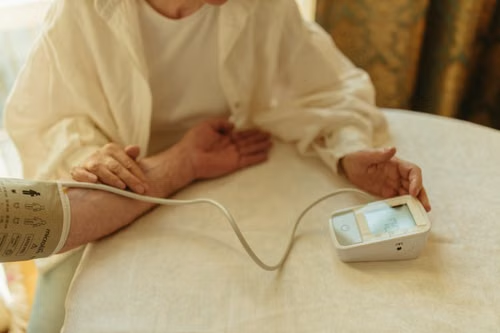
Generally, hypotension is defined by a blood pressure monitor reading below 90/60 mm Hg.
Photo by NAME via Pexels
Dehydration
Dehydration occurs when the body loses more fluid than it takes in. Without enough fluid, the amount of blood circulating in the body can decrease, causing blood pressure to fall. This can happen when you aren’t drinking enough, particularly during hot weather or periods of increased physical activity.
Fluid loss from vomiting or diarrhea can also contribute to dehydration. Difficulty keeping fluids down during an illness deserves particular attention because blood pressure may continue to drop. Knowing whether symptoms followed reduced fluid intake or substantial fluid loss can help a healthcare professional identify a possible cause.
Certain Medications
While some medicines lower blood pressure as part of their intended effect, others can cause it as a side effect. Medicines prescribed for hypertension, including diuretics, may sometimes lower blood pressure too much. Certain antidepressants and other medications can also contribute to low blood pressure, which means the risk of hypotension isn’t limited to people receiving treatment for a cardiovascular condition.
Pay attention if dizziness begins after you start taking a medicine or change its dose. Tell your healthcare provider when the symptoms occur and which medicines you take, including nonprescription drugs and supplements. A medication review may help identify the problem, but you shouldn’t stop prescribed treatment or adjust your dose without professional guidance.
A Sudden Change in Body Position
When you stand up after sitting or lying down, gravity causes blood to collect temporarily in the legs and lower part of the body. The body normally compensates by increasing the heart rate and narrowing blood vessels to maintain adequate circulation. When this adjustment falls short, blood pressure drops, a condition referred to as orthostatic or postural hypotension.
With less blood reaching the brain, a person may feel lightheaded or faint. While this problem becomes more common with age, younger people can experience it as well. Repeated episodes merit an evaluation because an underlying problem may explain why the body struggles to compensate.
Certain Heart Conditions
The heart needs to pump enough blood to maintain circulation throughout the body. Heart failure can interfere with this function and contribute to low blood pressure. Abnormal heart rhythms, including a very slow heart rate, and some heart valve problems may also affect how effectively the heart moves blood, making a heart condition one possible explanation for persistent or sudden hypotension.
That said, a low blood pressure reading alone doesn’t establish that you have a heart problem. Your doctor will consider your symptoms and medical history when deciding whether further testing is needed. Low blood pressure accompanied by chest pain or difficulty breathing requires immediate medical attention, especially when the symptoms appear without warning.
Hormonal Disorders
Various hormones help regulate blood pressure; thus, disorders affecting hormone production can cause blood pressure issues. One example is adrenal insufficiency, in which the body doesn’t produce enough cortisol, a hormone that helps maintain blood pressure and the body’s response to stress. Some forms also involve insufficient aldosterone, a hormone that helps maintain the balance of salt and water needed to support blood volume.
With adrenal insufficiency, in particular, blood pressure may already be low and drop further upon standing. Persistent fatigue or unexplained weight loss may occur along with it, but note that these symptoms can have other underlying causes. Hormonal disorders require medical assessment rather than self-diagnosis, and treatment focuses on correcting the underlying deficiency.
Pregnancy
During pregnancy, blood vessels widen, lowering blood pressure as the body adapts. Readings often reach their lowest point in the second trimester, at around 20 to 24 weeks, and blood pressure usually returns to its previous level after childbirth.
That said, recurring dizziness or fainting during pregnancy shouldn’t automatically be dismissed as normal. Discuss symptoms with your prenatal care provider so they can determine whether the readings reflect expected changes or another problem. The significance of low blood pressure depends on how you feel and the circumstances surrounding it.
Blood Pressure Changes After Eating
Blood pressure can also fall after a meal, a pattern known as postprandial hypotension. Digestion requires increased blood flow to the digestive system. If the body doesn’t adequately adjust by narrowing blood vessels elsewhere and increasing the heart rate, overall blood pressure can drop.
This pattern commonly affects older adults and may occur within two hours after eating. It can also be more likely in people whose nervous system has difficulty regulating automatic bodily functions, such as people with Parkinson’s disease or diabetes-related nerve damage. If symptoms consistently follow meals, recording their timing can help your healthcare professional recognize the pattern and assess its cause.
Final Thoughts
Hypotension can have different explanations. In fact, some individuals naturally have lower-than-average blood pressure without any harmful effects. According to the Cleveland Clinic, low blood pressure that causes no symptoms often needs no treatment, but symptoms or a sudden drop warrant a closer look.
Recurring symptoms such as dizziness or fainting shouldn’t be ignored. Understanding what causes hypotension and the symptoms associated with it can help you make informed decisions about your well-being and guide you when discussing evaluation and appropriate treatment with a healthcare professional.
For a broader overview of blood pressure, see this MedicalResearch.com overview of blood pressure research.
The information on MedicalResearch.com is provided for educational purposes only, and is in no way intended to diagnose, cure, or treat any medical or other condition. Some links are sponsored. MedicalResearch.com and Eminent Domains Inc. do not warrant or endorse products or claims made by third party links. Always seek the advice of your physician or other qualified health provider and ask your doctor any questions you may have regarding a medical condition. In addition to all other limitations and disclaimers in this agreement, service provider and its third party providers disclaim any liability or loss in connection with the content provided on this website.
Last Updated on November 5, 2026 by Marie Benz MD FAAD