
02 Nov Donor Area Preservation: Why It Matters for Future Hair Transplants
Medical Notice: Hair transplantation is a surgical procedure with risks, including infection, scarring, bleeding, shock loss, and results that may differ from expectations. Not everyone with hair loss is a suitable candidate, and the cause of hair loss should be diagnosed before surgery is considered. Newer techniques and their reported benefits may not yet be supported by large independent studies. This content is for educational purposes only and is not specific medical advice. Clinics and techniques mentioned or linked are not warranted or endorsed by MedicalResearch.com or Eminent Domains Inc. Consult a board-certified dermatologist or qualified hair restoration surgeon about your individual situation.
Anyone considering an innovative hair transplant seeks not only natural-looking results now, but also flexibility for maintaining hair health in the years ahead. For those exploring advanced hair restoration in Italy, including in Bologna, one factor deserves particular attention: donor area preservation. Managing this finite resource is central to a successful, sustainable treatment plan, particularly when planning potential future procedures or seeking repair after earlier treatments.
This article looks at donor area preservation, why it matters, common pitfalls such as overharvesting, and how major techniques including HST, FUE, and FUT compare. Understanding these concepts helps each patient make informed choices that protect long-term hair options.
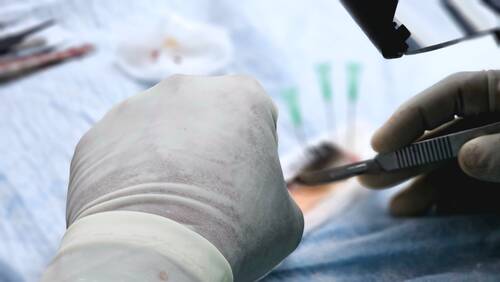
Photo by Muhammad Khawar Nazir: https://www.pexels.com/photo/close-up-of-a-doctor-wearing-gloves-holding-a-medical-instrument-27138340/
The fundamentals of donor area preservation
At the core of any minimally invasive hair transplant, including a hair transplant without shaving, lies the principle of effective donor area management. Not all scalp hair holds equal value. The back and sides of the scalp, often called the safe or permanent zone, are generally more resistant to pattern hair loss, making them the usual source of grafts.
Yet there is a finite donor reserve available. For individuals with limited donor supply, exploring hair transplant options for limited donor areas can help clarify which approaches may suit them. According to the AAD (American Academy of Dermatology), having enough healthy hair on the scalp to transplant is one of the factors that determines whether someone is a good candidate. This reality forms the basis for careful planning in every case. Reputable clinics conduct thorough assessments of donor area density and stability before recommending specific techniques or designs.
- Tighter control helps avoid early depletion of donor hair
- Careful planning keeps options open for future interventions
- Preserved density supports a more natural appearance over time
Why donor area health impacts lifelong results
Each individual has unique donor site characteristics. Maintaining health in this region requires not just technical skill, but also strategic harvesting and anticipation of future needs, whether aesthetic goals change or repair becomes necessary. Prioritizing maximum density in a single session may jeopardize what remains for further procedures or leave visible traces from previous graft removals.
Long-term donor management builds flexibility into the restoration plan, which is essential given that future hair loss is hard to predict. A healthy donor area leaves room to adapt treatment or address ongoing thinning over time.
Comparing major hair transplant techniques
For those evaluating their options, selecting the right technique is important. Each approach carries different implications for donor area preservation. The published literature and clinical experience offer insights regarding safety, success rates, and the impact on long-term donor area health.
How does FUE compare with FUT regarding donor area management?
The follicular unit extraction (FUE) technique involves individually removing follicular units using small punches distributed throughout the donor area. This method avoids a linear scar and leaves small dot-like scars that are often easy to conceal with short hairstyles, and in select cases it may be performed without fully shaving the head. However, excessive or poorly planned FUE can deplete the finite donor reserve, producing patchy, visibly thinner areas, especially after repeated sessions.
By contrast, the follicular unit transplantation (FUT) technique removes a narrow strip of scalp tissue, which is then divided into grafts under magnification. FUT can yield a large number of grafts in one session while leaving the surrounding donor hair undisturbed. However, it leaves a linear scar, which may be visible with very short hairstyles, and repeated strip procedures can be limited by scalp laxity.
What distinguishes the HST technique in donor area preservation?
The HST (hair stem cell transplantation) technique is described by its developers as a partial-follicle approach. Rather than removing whole follicular units, HST extracts only part of each follicle, with the aim of leaving enough tissue, including stem cells, behind for the follicle to continue growing in the donor area while the extracted portion is transplanted.
Proponents report that HST may support faster healing and help maintain donor area density across repeated sessions. However, evidence comes mainly from the technique’s developers and small studies, and consistent regrowth of hair in the donor site has not been established in large, independent trials. Realistic expectations and expert guidance remain essential, and even with HST, overharvesting risks persist if core management principles are overlooked.
Risks linked to overharvesting and poor planning
Seeking dense coverage too soon can place significant strain on the donor area, especially when earlier procedures have already removed large numbers of grafts without a longer-term view. Signs of overharvesting include visible thinning or a “moth-eaten” appearance, noticeable scarring, and limited opportunities for correction should results fall short of expectations.
While hair transplant repair can sometimes partly address these issues, it cannot replace follicles that have been lost. This makes foresight, including careful analysis of remaining donor hair, realistic goals, and appropriate surgical approaches, vital at every stage of the process.
- Depletion risk increases with aggressive, widespread extraction
- Poor distribution can create irregular, unnatural-looking results
- Limited remaining donor hair reduces options for successful revisions
What research shows about donor area regeneration and longevity
Neither FUE nor FUT allows unlimited repeat procedures, because the donor reserve is finite. Each session reduces the hair available for future coverage, and cumulative extraction can lower density in the back and sides of the head.
HST, in contrast, uses partial extraction that its developers report may help wound healing and preserve local tissue. These observations suggest possible benefits for donor area stability, but definitive evidence for true regeneration is still under investigation. The best outcomes come from combining new techniques with experienced physician judgment and conservative treatment strategies.
Planning for future procedures: best practices for long-term success
Lasting satisfaction depends on thoughtful consultation and careful planning. Strategic harvesting and phased treatment planning help practitioners safeguard donor area health for years to come.
A comprehensive evaluation includes diagnosing the cause of hair loss, measuring existing donor area density, estimating graft needs based on likely future hair loss, and realistically assessing how many grafts can be safely harvested per session. Even the most advanced techniques cannot substitute for careful, personalized management, a critical principle for those needing hair transplant repair after prior work elsewhere.
- Data-driven planning conserves donor hair and maintains adaptability
- Patient education supports realistic expectations and satisfaction
- Ongoing monitoring lets surgeons adjust plans as hair loss evolves
Navigating innovative, minimally invasive procedures
Hair restoration techniques continue to be refined to achieve natural-looking results without limiting future possibilities. Approaches that prioritize minimal invasiveness, precise donor area targeting, and good healing aim to improve both comfort and long-term results.
As techniques evolve, it is clear that safeguarding donor hair preserves greater choice for today and tomorrow. Protecting this limited resource, and applying new approaches responsibly, is the foundation of good hair restoration care.
Frequently asked questions about donor area preservation
What happens if the donor area is overharvested?
Overharvesting depletes the finite donor reserve, which can cause noticeable thinning, scarring, or patches where further extraction becomes difficult. Repair procedures may help camouflage these areas, but they offer limited improvement and cannot replace lost follicles.
- Visible reduction in donor density
- Higher risk of unnatural cosmetic results
- Fewer options for additional procedures
Can donor area preservation enable multiple hair transplants?
Careful donor area management can reserve enough follicles for more than one procedure in many patients. Harvesting plans that distribute extraction sites evenly and preserve tissue allow for adjustments if future hair loss occurs or if touch-ups are wanted after an initial result.
- Map donor density before surgery
- Avoid overly aggressive harvesting in a single session
- Choose extraction methods that minimize trauma
Is donor area regeneration real in modern hair transplantation?
Newer techniques aim to limit tissue loss and support healing, but full regeneration of extracted follicles has not been conclusively established. Current evidence points to improved wound recovery and stability rather than complete regrowth in the donor site. Sustainable results depend on professional planning and responsible use of technology.
| Technique | Donor regrowth claim | Evidence |
|---|---|---|
| HST | Partial regrowth and improved healing (reported by developers) | Limited; mostly small or developer-led studies |
| FUE/FUT | Extracted follicles are not expected to regrow | Well-documented limits |
Should patients consult specialists for advanced hair restoration in Bologna?
A personalized consultation with an experienced hair restoration physician, in Bologna or elsewhere, allows a full assessment of the cause of hair loss, individual donor characteristics, likely future needs, and whether surgical or non-surgical treatment is most appropriate.
- Individual donor analysis and density mapping
- Guidance on current surgical and medical approaches
- Support in long-term restoration planning
Discuss donor area preservation in a personal consultation
Anyone pursuing advanced hair restoration in Bologna or elsewhere benefits from a plan that protects the donor area. Every case deserves a customized approach, strategic harvesting, and ongoing management. A consultation with a qualified specialist can help weigh achievable density against preserving future options, using evidence-based planning and an appropriate technique.
Safeguarding the donor area today lays the foundation for natural-looking results tomorrow. Patients can use a consultation to discuss available techniques, review their candidacy, and set realistic expectations together with their physician.
For a broader overview of hair loss in men, see this MedicalResearch.com overview of scalp issues that can cause hair loss in men.
The information on MedicalResearch.com is provided for educational purposes only, and is in no way intended to diagnose, cure, or treat any medical or other condition. Some links are sponsored. MedicalResearch.com and Eminent Domains Inc. do not warrant or endorse products or claims made by third party links. Always seek the advice of your physician or other qualified health provider and ask your doctor any questions you may have regarding a medical condition. In addition to all other limitations and disclaimers in this agreement, service provider and its third party providers disclaim any liability or loss in connection with the content provided on this website.
Last Updated on November 2, 2026 by Marie Benz MD FAAD