
23 Sep Farmworkers and Professional Drivers Face the Highest Fatal Injury Risk in the U.S. Workforce: Q&A on a 2026 Five-Year Analysis
MedicalResearch.com Interview with:
Steven M. Sweat, JD
Founding Attorney, Steven M. Sweat, Personal Injury Lawyers, APC, Los Angeles
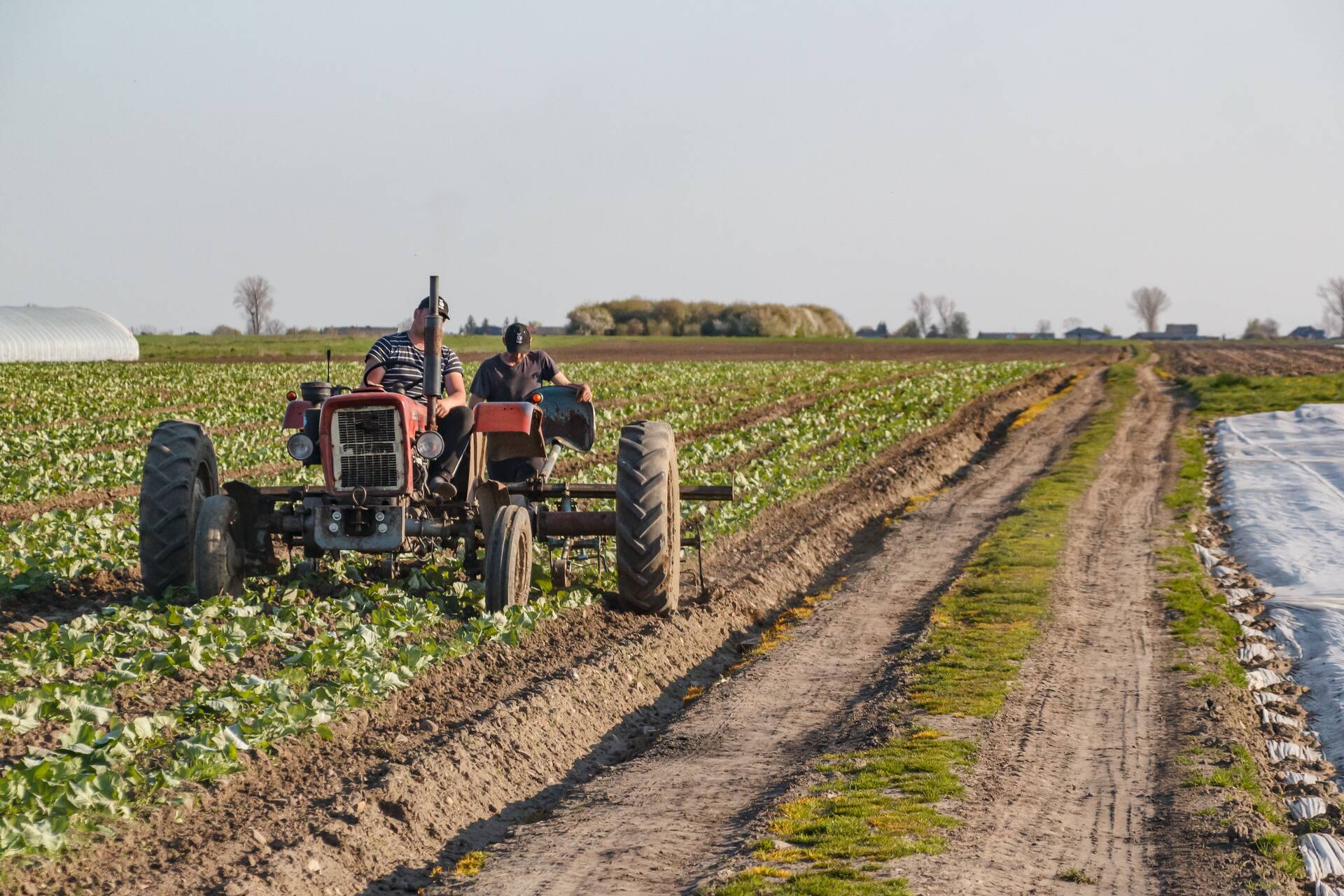
Fatal occupational injury statistics answer two distinct questions: which occupations carry the highest risk of death per worker, and which account for the largest number of deaths in absolute terms. A 2026 five-year analysis of federal workplace fatality data addressed both questions, and its answers point to two populations of particular concern to clinicians and public health researchers: farmworkers, who face the highest fatal injury risk per worker of any occupation analyzed, and professional drivers, who record the largest number of on-the-job deaths. According to the BLS (U.S. Bureau of Labor Statistics) Census of Fatal Occupational Injuries, fatal work injury rates for agricultural workers reached 19.0 to 19.4 per 100,000 workers in 2024 — among the highest of any occupational category tracked by federal surveillance.
MedicalResearch.com: What is the background for this study?
Mr. Sweat: The Deadliest Jobs in America: 2026 Fatal Work Injury Study set out to describe fatal occupational injury risk across the U.S. workforce over a five-year period, using the most recent data from the Bureau of Labor Statistics Census of Fatal Occupational Injuries (CFOI), the federal government’s most comprehensive census of fatal work injuries. Occupations were ranked on two complementary measures: the total number of fatal injuries recorded during the period and the fatal injury rate per 100,000 workers. Average annual wages were added for context, because fatal risk is not distributed evenly across the pay scale.
The motivation for combining the two measures is methodological. Rankings based on fatality rates alone tend to overweight very small occupations, such as logging and fishing: because these workforces are small, even a modest number of deaths produces an extreme rate. That result is accurate, but it does not show where the largest numbers of workers are actually dying. Raw counts answer that second question, which is why the study reports both measures side by side, so that neither dimension of the problem is obscured by the other. Rate data identify the populations in which an individual worker faces the highest probability of a fatal event; count data show where the greatest absolute burden of occupational mortality falls.
MedicalResearch.com: What are the main findings?
Mr. Sweat: Agricultural workers carried the highest risk in the analysis. The study recorded 725 fatal injuries among agricultural workers over the five-year period, at an average annual wage of approximately $45,600. For context, official BLS CFOI data for 2024 report fatal work injury rates of 19.0 per 100,000 workers for miscellaneous agricultural workers and 19.4 per 100,000 for farmers, ranchers, and other agricultural managers.
Motor vehicle operators — a category that includes truck, delivery, taxi, and chauffeur drivers — recorded the largest number of deaths in absolute terms: 5,342 fatal injuries over the five years, or more than 1,000 deaths per year on average, at an average annual wage of approximately $39,900. Grounds maintenance workers ranked third, with 1,114 fatal injuries over the period. Heavy and tractor-trailer truck drivers, listed as a separate occupational group, accounted for 4,195 fatal injuries over the five years at an average annual wage of $55,900 — the highest-paid occupation on the study’s list and still below the average annual wage for U.S. workers overall. Taken together, the findings describe a consistent pattern: the occupations with the highest fatal injury burdens cluster at the lower end of the wage distribution.
MedicalResearch.com: What should clinicians and readers take away from your report?
Mr. Sweat: Three points deserve emphasis. First, the occupations with the highest death tolls are also low-wage occupations, a pattern with implications for how occupational risk is distributed across the workforce. Second, in the case of farmworkers, the recorded figures likely undercount the true number of deaths, because part of the agricultural workforce is unregistered and may not be fully captured in federal reporting. Third, clinicians who treat these patient populations encounter the non-fatal end of the same injury distribution. Agricultural work involves sustained outdoor exertion and heavy machinery — the clinical picture reflects that with heat illness and crush and rollover trauma. Professional driving is dominated by roadway injury. The fatal cases recorded in the CFOI represent the most severe tail of a much larger spectrum of occupational harm that presents to emergency departments, urgent care settings, and primary care practices.
It is equally important to understand what these data do not contain. The CFOI captures fatal work injuries — acute traumatic events — not nonfatal injuries, and not occupational disease. Conditions with long latency periods, such as chronic respiratory disease, noise-induced hearing loss, or exposure-related cancers, are invisible in a fatal-injury dataset. The true burden of work-related illness and injury in these occupations is therefore larger, and in some respects qualitatively different, than any analysis of fatal injuries can show. For clinicians, the practical implication is that occupation remains clinically relevant information: knowing what a patient does for a living informs risk assessment, preventive counseling, and the recognition of work-related conditions that might otherwise go unattributed.
MedicalResearch.com: What recommendations do you have for future research?
Mr. Sweat: Three directions would materially extend this work. First, occupation-level nonfatal injury rates should be analyzed alongside fatality data, so that the full severity distribution within each occupation can be compared directly. Second, better capture of unregistered and undocumented agricultural labor is needed — as long as part of that workforce is missing from case counts and employment denominators alike, risk estimates for farmworkers will remain systematically biased downward. Third, injury trends among delivery drivers warrant dedicated analysis: the growth of last-mile delivery fleets has expanded employment within one of the highest-fatality categories identified in the study, and it is not yet clear how injury patterns in that rapidly changing segment are evolving. Together, these steps would move the field from describing where fatal risk concentrates toward explaining it — and toward measuring whether prevention efforts are working.
MedicalResearch.com: Is there anything else you would like to add? Any disclosures?
Mr. Sweat: The disclosure matters for how this analysis should be read. I am a plaintiff-side trial attorney and have represented injured people, including injured workers and the families of workers killed on the job, for over 30 years. The study discussed in this interview was produced and published by my firm. It received no outside funding, and I have no financial relationship with any employer or industry group named in it. Readers should weigh that context, just as they would weigh the funding source of any published analysis. The study is a descriptive secondary analysis of publicly available federal data, and every figure in it can be checked against the underlying records. It is intended to inform the prevention discussion; it is not legal advice, and it is not a substitute for the primary data.
For a broader overview of occupational injury surveillance, what the CFOI measures and what it misses, and how clinicians can use occupation as a clinical risk factor, see this MedicalResearch.com overview of occupational injury surveillance — what clinicians need to know.
Disclaimer: The information on MedicalResearch.com is provided for educational purposes only, and is in no way intended to diagnose, cure, or treat any medical or other condition. Some links are sponsored. MedicalResearch.com and Eminent Domains Inc. do not warrant or endorse products or claims made by third party links. Always seek the advice of your physician or other qualified health provider and ask your doctor any questions you may have regarding a medical condition. In addition to all other limitations and disclaimers in this agreement, service provider and its third party providers disclaim any liability or loss in connection with the content provided on this website.
Last Updated on September 23, 2026 by Marie Benz MD FAAD