
02 Nov How Lifestyle Habits, Sun Exposure, and Professional Aesthetic Care Influence Long-Term Skin Appearance
Medical Notice: Dermal fillers are prescription medical devices and should be injected only by a licensed, qualified medical professional after an in-person evaluation. Common side effects include swelling, bruising, redness, and tenderness. Rare but serious complications can include infection and blockage of a blood vessel, which can damage skin or, very rarely, affect vision. Fillers may not be appropriate during pregnancy or breastfeeding, or for people with certain allergies, active skin infections, or other medical conditions. Have any new, changing, or unusual spot on the skin checked by a dermatologist. This content is for educational purposes only and is not specific medical advice. Providers mentioned or linked are not warranted or endorsed by MedicalResearch.com or Eminent Domains Inc.
The way skin looks at fifty is shaped by choices made across many years. Daily habits, time spent in the sun, and the care people seek out all leave their mark, slowly and often without much notice.
For people in Sacramento, where sunny days are common for much of the year, these influences can show up sooner than expected. Understanding how each one works makes it easier to protect the skin and keep it looking healthy and rested over time.
When Facial Fullness Begins to Fade
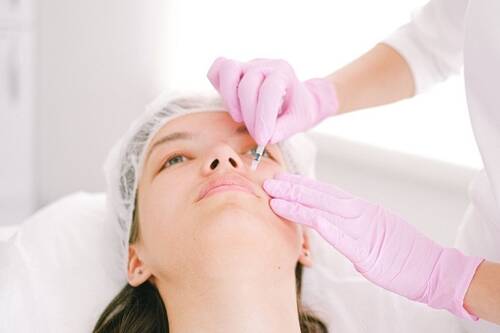
As the years pass, many people notice that their face looks a little more tired, even when they feel rested. Hyaluronic acid fillers such as Juvederm are often used when the lips start to look flatter, the cheeks lose some of their lift, or the lines around the mouth begin to hold their shape.
A carefully planned filler treatment, designed around the way the face moves, is a nonsurgical option for restoring some of that missing support. Results are temporary and vary from person to person. Those who would like to bring back softer, fuller contours can schedule a consultation for Juvederm in Sacramento and talk through which areas of the face may benefit, along with the possible risks. A careful plan of this kind aims to help the face look refreshed while still looking like itself.
The Quiet Impact of Daily Sun
Sunlight is one of the biggest forces behind visible aging. Ultraviolet rays reach the deeper layers of the skin and slowly break down the fibers that keep it firm and springy. Over time, this damage shows up as fine lines, rough texture, uneven tone, and dark spots. Ultraviolet exposure also raises the risk of skin cancer. Even short trips outdoors add up steadily, so protection matters on ordinary days as well.
Protection works best as a daily routine. A broad-spectrum sunscreen applied every morning, even on cloudy days, helps block the rays that cause the most damage. The AAD (American Academy of Dermatology) recommends a broad-spectrum, water-resistant sunscreen with an SPF of 30 or higher. Wide-brimmed hats, sunglasses, and seeking shade during the brightest hours of the day add further defense. Reapplying sunscreen about every two hours, and after swimming or sweating, keeps that protection in place.
How Sleep Shapes the Way Skin Recovers
Sleep is the time when the body carries out much of its repair work, and the skin is no exception. When sleep is short or broken, this recovery can fall behind.
People who regularly miss sleep often notice puffiness, dark circles, and a dull, uneven look. Over months and years, poor rest may make lines appear more clearly and leave the skin looking less bright. A steady bedtime, a cool and dark room, and less screen time before bed can all help the body get the rest it needs.
Food, Water, and the Skin From Within
What people eat and drink can affect the skin as well as what they put on it. Meals rich in fruits, vegetables, whole grains, and healthy fats give the body the building blocks it uses to keep skin strong. Colorful produce supplies vitamins and antioxidants that help defend against everyday damage.
On the other hand, diets heavy in sugar and highly processed foods may speed up the breakdown of the fibers that keep skin firm. Too much alcohol can leave the skin dry and flushed, and it often disturbs sleep as well.
Drinking enough water throughout the day supports overall health. While water alone will not erase lines or replace a moisturizer, steady hydration keeps the body working well, and the skin reflects that balance.
Smoking, Stress, and Other Hidden Strains
Smoking is one of the most damaging habits for the skin. It narrows blood vessels, which limits the oxygen and nutrients that reach the face. It also exposes the skin to harmful chemicals and creates repeated movements around the mouth and eyes that deepen lines. Quitting at any age benefits overall health and can help the skin look healthier.
Ongoing stress takes a toll too. Long-term stress may contribute to breakouts, redness, and flare-ups of existing skin conditions. Stress also tends to disrupt sleep and eating patterns, which adds to the strain.
Building a Simple and Steady Skincare Routine
A good routine does not need to be complicated. Cleansing gently in the morning and evening removes dirt and oil without stripping away natural moisture. A moisturizer suited to the skin type helps keep the outer layer soft and protected.
Consistency matters more than the number of products on the shelf. Using a few well-chosen items every day often works better than switching between many different ones. Harsh scrubs and very hot water can irritate the skin, so a light touch is usually the wiser choice.
Why Expert Guidance Makes a Difference
Even the best habits cannot stop every change that comes with time. This is where guidance from a board-certified dermatologist or other qualified, licensed provider can help. A skin assessment looks at texture, tone, firmness, and how the face moves, then points toward care that suits each person’s needs. It is also an opportunity to have any new or changing spots checked.
Treatments today range from gentle facials and chemical peels to laser care and other options aimed at surface texture, tone, and firmness. Each one addresses a different concern and carries its own risks, and a thoughtful provider will explain which approach fits and which does not. Sometimes the best advice is that a change in routine is all that is needed.
Healthy Habits That Last for Years
Long-term skin appearance comes from many small choices working together. Sun protection guards against the most common source of damage, while good sleep, sound nutrition, and steady hydration support the skin from within. Avoiding smoking and keeping stress in check removes extra strain. A simple daily routine keeps the skin clean and comfortable.
When these habits are paired with expert guidance at the right time, people give their skin the best chance to stay healthy, even, and bright through every stage of life. The effort may seem small from one day to the next, but over the years it adds up to a face that reflects good care.
For a broader overview of filler treatments, see this MedicalResearch.com overview of different types of dermal fillers.
The information on MedicalResearch.com is provided for educational purposes only, and is in no way intended to diagnose, cure, or treat any medical or other condition. Some links are sponsored. MedicalResearch.com and Eminent Domains Inc. do not warrant or endorse products or claims made by third party links. Always seek the advice of your physician or other qualified health provider and ask your doctor any questions you may have regarding a medical condition. In addition to all other limitations and disclaimers in this agreement, service provider and its third party providers disclaim any liability or loss in connection with the content provided on this website.
Last Updated on November 2, 2026 by Marie Benz MD FAAD