Search

For decades, weight management has been a frustrating cycle for many people—dieting, exercising, seeing progress, only to experience setbacks. While lifestyle changes remain essential, science has advanced rapidly in offering medical tools to support those living with obesity and related conditions. One of the most significant breakthroughs in recent years...

Deep tissue massage is a specialized technique that focuses on releasing tension in the deeper layers of muscles, fascia, and connective tissues. Unlike a gentle relaxation massage, it uses firm pressure and slow, targeted strokes to break up muscle adhesions — also known as “knots” — that develop from stress, injuries, or repetitive movements.

The recent FDA approval followed promising results from multi-phase clinical trials. Patients using Journavx reported statistically significant superior reduction in pain intensity compared to those who use other drugs. In trials focusing on acute pain, patients found that Journavx began to relieve pain within 30 to 60 minutes without sedation, which is often seen in opioid users.

In 2020, the implementation of PDGM fundamentally changed how Medicare reimburses home health services, shifting from therapy-based payments to patient characteristics-based reimbursement. This change requires agencies to adapt their regulatory compliance strategies, with CMS implementing permanent behavioral adjustments that have resulted in cumulative payment reductions of about 13% since the transition.

Polyclonal antibodies (pAbs)are heterogeneous antibodies, referring to a mixture of immunoglobulin molecules. pAbs are produced by immunizing animals such as rabbits, horses, mice, humans, and rats with a specific antigen.

Perimenopause manifests differently in each woman, with symptoms varying in type and intensity. Common signs include irregular periods, hot flashes, night sweats, mood swings, vaginal dryness, and changes in libido. 

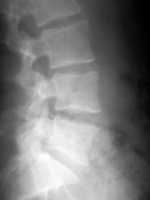
Manual therapy may not be recommended for patients with severe osteoporosis or existing vertebral fractures due to the risk of further injury. However, gentle mobilization techniques can sometimes be modified for safety. A thorough clinical evaluation helps determine whether this approach is appropriate for a given patient.