
03 Nov What You Should Actually Know Before Considering a Tummy Tuck
Medical Notice: A tummy tuck (abdominoplasty) is major surgery with real risks, including bleeding, infection, fluid buildup, poor wound healing, blood clots, and complications from anesthesia. Results vary, and not everyone is a suitable candidate. After surgery, seek urgent care for leg swelling or pain, shortness of breath, chest pain, fever, or increasing redness or drainage at the incision. This content is for general information only and is not medical advice. Surgeons and practices named or linked in this post are not warranted or endorsed by MedicalResearch.com or Eminent Domains Inc. Discuss your individual situation with a board-certified plastic surgeon.
If you’re thinking about body contouring, a tummy tuck can sound straightforward at first: flatter stomach, tighter waist, done. The reality is more layered. Your skin quality, muscle separation, recovery schedule, future pregnancy plans, and even where you live can shape the decision.
In places like Westchester County, where access to board-certified plastic surgery is strong and consultations tend to be detailed, patients often get more nuanced guidance than the quick before-and-after version seen online.
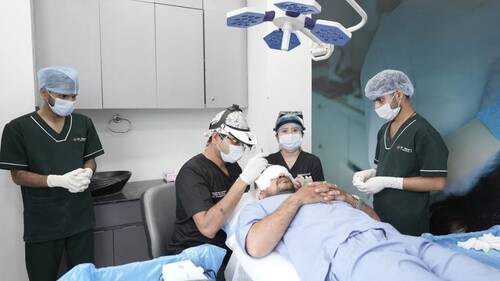
Pexels
https://www.pexels.com/photo/medical-team-performing-hair-transplant-procedure-36963686/
Surgical technique can change the result in meaningful ways
Not every tummy tuck is the same. A mini tummy tuck addresses a more limited area below the belly button. A full tummy tuck typically involves more extensive skin redraping and often includes umbilical repositioning. Some patients also combine surgery with liposuction for better contour along the flanks or upper abdomen.
The differences aren’t cosmetic trivia. They shape scar length, downtime, tissue tension, and how dramatic the result can be. If you’re comparing options, you need to ask which structures are actually being treated. Skin removal alone is one thing. Muscle plication plus contouring is another. If you’re considering a tummy tuck Westchester County, NY has local specialists like Dr. Leo Otake at Otake MD, offering personalized tummy tuck procedures to remove excess abdominal skin and improve body contours.
A tummy tuck is not a weight-loss procedure
A common misunderstanding starts here. You don’t get a tummy tuck to lose a major amount of weight. You usually consider it when you’re already near a stable weight but still dealing with loose skin, stretched abdominal tissue, or rectus diastasis after pregnancy or weight changes.
In surgical terms, an abdominoplasty removes excess skin and fat and may repair separated abdominal muscles. That muscle repair can change how your core feels during recovery, especially when standing up, coughing, or getting out of bed. If your main issue is deep visceral fat inside the abdomen, surgery won’t remove that. A consultation should separate subcutaneous fat, skin laxity, and muscle wall issues, since each one affects your result differently.
The best candidates usually have a specific pattern of concerns
You may be a strong candidate if your lower abdomen has hanging or creased skin that doesn’t respond to strength training or nutrition changes. Many patients also have stretch marks concentrated on the skin below the navel, which can sometimes be removed if that tissue is part of the excision pattern.
Surgeons also look for weight stability, nicotine avoidance, and realistic expectations. If you’re planning another pregnancy soon, many surgeons recommend waiting. A future pregnancy can re-stretch the skin and abdominal wall, which can compromise the outcome. The same goes for active weight fluctuation. If your body is still changing, your surgical plan is being built on unstable ground. That can affect scar placement, contour smoothness, and long-term satisfaction.
Recovery matters more than most people expect
A lot of people focus on the operating room and forget that recovery is the real project. During the first one to two weeks, you may be walking slightly bent over, sleeping on an incline, wearing a compression garment, and relying on help for basic tasks. If you have young kids, lifting restrictions can become a serious issue.
Drain use depends on surgical technique, but some patients do go home with drains temporarily. Swelling can persist for weeks, and the final contour doesn’t show up right away. Returning to desk work may happen relatively quickly for some people, but workouts, core training, and heavy lifting usually take longer. Planning your recovery logistics well often matters just as much as choosing the procedure itself.
Scars are part of the tradeoff, and placement matters
You should expect a scar. The real question is where it sits, how it heals, and whether your anatomy allows it to be placed low enough to stay under most underwear or swimwear. Skilled scar planning is not just about neat closure. It also involves tension management, body proportions, and anticipating how the scar may shift as swelling resolves.
Your personal healing pattern matters too. Some people form thicker or darker scars, especially if they’ve had hypertrophic scarring before. Scar maturation takes months, not weeks. Silicone sheeting, sun protection, and proper wound care can influence the cosmetic outcome. A polished result usually comes from both operative technique and disciplined aftercare, not from surgery alone.
Safety depends on more than credentials on a website
Board certification matters, but it shouldn’t be the only thing you check. You also want to know whether the procedure is being done in an accredited surgical facility, how postoperative monitoring works, and how the practice handles complications or urgent questions after hours.
Tummy tuck surgery carries real risks, including seroma, wound healing problems, infection, asymmetry, and blood clots. The ASPS (American Society of Plastic Surgeons) also lists anesthesia reactions, numbness or changes in skin sensation, unfavorable scarring, and the possible need for revision surgery. Your surgeon should talk about these directly, not hide them behind polished marketing language. If your consultation feels rushed or vague, pay attention. Good surgical screening includes medication review, smoking history, previous abdominal operations, and a frank assessment of whether your goals line up with what surgery can safely achieve.
The emotional side is real, especially after major body changes
For many patients, this procedure is tied to a long history with their body. Pregnancy, massive weight loss, or years of frustration with loose skin can make the decision feel emotionally loaded. You may be seeking relief, confidence, practicality, or closure after a body change that never fully settled.
That emotional context deserves honesty. Surgery can improve contour and clothing fit, but it won’t automatically fix body image struggles or erase every sign of change. The healthiest mindset usually combines optimism with precision. You’re not chasing a completely different body. You’re deciding whether surgical correction fits your life, priorities, and tolerance for downtime, scars, cost, and uncertainty.
A smart consultation should leave you better informed, not just impressed
A useful consultation does more than show before-and-after photos. It should help you understand what kind of procedure you need, what result is realistic on your frame, and what your recovery will actually demand. You should leave with specific answers, not just a general feeling that the office seemed nice.
Ask whether muscle repair is recommended, whether liposuction is part of the plan, how long swelling usually lasts, and what support you’ll need at home. Ask what happens if healing is slower than expected. If your surgeon explains tradeoffs clearly and tailors the plan to your anatomy, that’s a strong sign. The best decision usually comes when you can weigh the aesthetic upside against the physical and logistical realities with clear eyes.
For a broader overview of cosmetic surgery, see this MedicalResearch.com overview of the latest trends in cosmetic surgery according to plastic surgeons.
The information on MedicalResearch.com is provided for educational purposes only, and is in no way intended to diagnose, cure, or treat any medical or other condition. Some links are sponsored. MedicalResearch.com and Eminent Domains Inc. do not warrant or endorse products or claims made by third party links. Always seek the advice of your physician or other qualified health provider and ask your doctor any questions you may have regarding a medical condition. In addition to all other limitations and disclaimers in this agreement, service provider and its third party providers disclaim any liability or loss in connection with the content provided on this website.
Last Updated on November 3, 2026 by Marie Benz MD FAAD