#couplestherapy Tag

Substance Use Notice: Couples therapy supports, but does not replace, individual addiction treatment. Stopping alcohol, benzodiazepines, or opioids suddenly can cause dangerous withdrawal, so seek medical guidance. For confidential help finding treatment, call the SAMHSA National Helpline at 1-800-662-4357 (24/7). If you are in crisis, call or text 988. If you feel unsafe in your relationship, call 911 or the National Domestic Violence Hotline at 1-800-799-7233 (text START to 88788).

Editorial Notice: This article is for general information and is not specific medical advice. Treatment programs and providers named or linked in this article are not warranted or endorsed by MedicalResearch.com or Eminent Domains Inc.

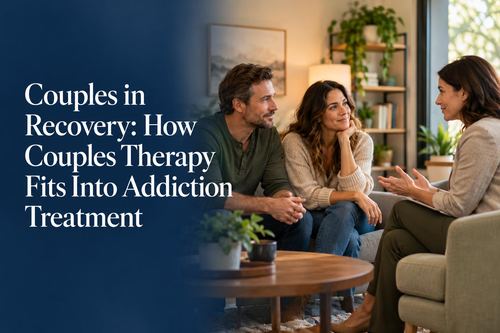
Addiction rarely affects only one person. When someone struggles with drugs or alcohol, their partner often carries a heavy burden: worry, broken trust, financial stress, and emotional exhaustion. Even after treatment begins, relationship strain can remain a powerful source of stress, and sometimes a relapse trigger.

That is why many outpatient addiction programs include couples therapy as part of treatment. Here is how couples therapy works and why it can make a meaningful difference.


Mental Health Notice: This post is for general information and is not a substitute for professional mental health care. If distressing symptoms last more than a few weeks or interfere with daily life, talk with a licensed mental health professional or your doctor. If you are in crisis or having thoughts of harming yourself, call or text 988 (Suicide & Crisis Lifeline) or text HOME to 741741. If you feel unsafe in your relationship, contact the National Domestic Violence Hotline at 1-800-799-7233. In an emergency, call 911. Providers named in this post are not warranted or endorsed by MedicalResearch.com or Eminent Domains Inc.

Have you ever felt your whole world flip upside down in a single moment? That's how discovering an affair feels to many people. One text. One hotel bill. One drunken confession. And suddenly all you thought you knew about your partner disappears.

Here's what most people don't realize: heartbreak doesn't just affect your heart. It can also affect you physically and mentally in ways that mirror post-traumatic stress disorder (PTSD).

[caption id="attachment_73541" align="aligncenter" width="500"]can-two-people-get-sober-together.jpg pexels[/caption]

If you or someone you know is struggling or in crisis, help is available.

Call or text 988 or chat at 988lifeline.org. To learn how to get support for mental health, drug or alcohol conditions, visit FindSupport.gov. If you are ready to locate a treatment facility or provider, visit FindTreatment.gov or call 800-662-HELP (4357).

U.S. veterans or service members in crisis can call 988 then press "1" for the Veterans Crisis Line, text 838255, or chat online.

The Suicide & Crisis Lifeline has a Spanish language line at 1-888-628-9454 (toll-free).

It's the question every clinician has heard from a worried family member at intake: "They're both using. If we send them both to treatment, won't they just relapse together?" It's a fair question. It's also, according to a surprisingly robust body of research, the wrong one. The better question is whether the couple gets the right kind of treatment — because the data on couples in recovery is more nuanced, and more hopeful, than the conventional wisdom suggests.

Common Issues with Relationships 

A relationship can sometimes become overwhelming to maintain. While every couple experiences struggles, certain issues may indicate that professional help could be beneficial. Recognizing these signs early on can provide a couple with a better opportunity to invest in healthier communication and strengthen their relationship with one another. [caption id="attachment_63408" align="aligncenter" width="500"]counseling Source[/caption] Here are some key indicators that it might be time to seek couples counseling:

Communication Breakdown

One of the most common indicators that it's time to arrange couples therapy is communication dysfunction. When partners struggle to communicate without raising their voices, becoming defensive, feeling unheard, or experiencing escalating frustration, these are clear signs that assistance is needed.  Strong communication is a vital component of a healthy relationship. If discussions frequently devolve into arguments or silence, couples counseling in Denver can offer techniques to enhance communication skills and foster a better understanding between partners.