#crowns Tag

Full mouth reconstruction is planned care for people with several damaged, missing, infected, or heavily worn teeth. The aim is to restore chewing, speech, bite stability, and facial support while respecting gum and bone health. Treatment may include crowns, bridges, implants, periodontal therapy, root canal care, or bite correction. Before scheduling, patients should know how diagnosis, sequencing, healing, and maintenance shape the final outcome.

Advances in dental materials and digital planning have also changed what's possible — a shift explored in this overview of how new dental technologies are improving patient care and outcomes.

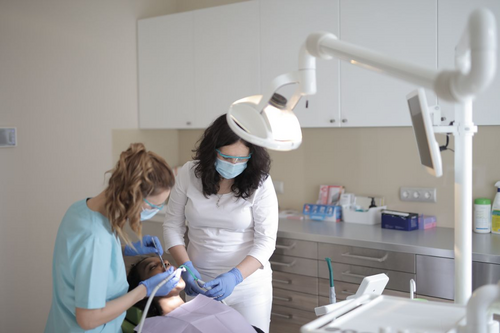
[caption id="attachment_74850" align="aligncenter" width="500"]full-mouth-reconstruction-pexels Photo by Anna Shvets[/caption]

Want your crowns, bridges, and fillings to fit perfectly the first time?

Traditionally, having your dental impression taken involved getting a tray full of gloopy substance stuck in your mouth. You had to sit still, avoid gagging, and hope for the best. If it didn't come out well, you just had to repeat the process.

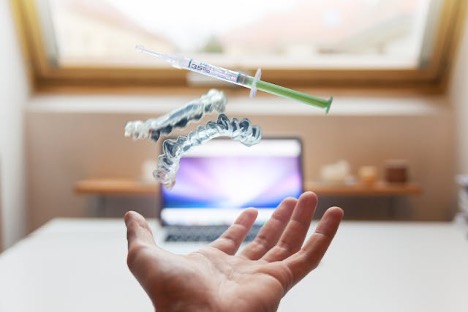
[caption id="attachment_74830" align="aligncenter" width="500"]Digital Impression Technology Pexels[/caption]

    Innovation in dental crowns is not just a matter of aesthetic enhancement—it's a game-changer for oral health outcomes. As technology evolves, so does our ability to restore and enhance dental health through more sophisticated and tailored treatments. Recent advancements in dental crown technology are transforming what it means to receive a crown, making the procedures quicker, more accurate, and far less intrusive than ever before. These innovations extend beyond mere improvements in materials or techniques; they redefine the patient experience and elevate the standard of care provided. By integrating cutting-edge materials with state-of-the-art fabrication processes, dental professionals can now offer solutions that look remarkably natural, function better, and last longer. This leap in dental technology not only enhances the efficiency of treatments but also significantly improves the overall oral health outcomes for patients across the globe.