
#dentalhygiene Tag

Infection control is one of the foundations of modern dentistry. Every patient expects treatment in an environment where strict hygiene standards are followed, and every dental practice depends on protocols that minimize the risk of cross-contamination. While sterilization equipment, personal protective equipment, and surface disinfection often receive the most attention, many of the smaller disposable products used during treatment also play an important role.

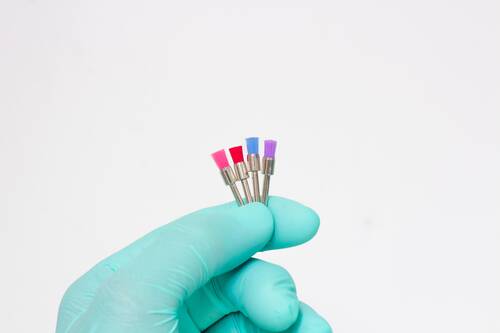
One example is the humble micro applicator brush. Although small and inexpensive, these single-use tools help clinicians apply materials accurately while supporting infection prevention protocols throughout a wide range of dental procedures. For a broader look at how dental sterilization protocols protect patients, see this overview of why dental tools must be sterilized after every use.

[caption id="attachment_74853" align="aligncenter" width="500"]dental- Micro Applicator Brushes Photo by Betsy Flores:[/caption]

Is It Cheaper to Fix Teeth Early? A Dentist in Shelby Explains Many people overlook minor dental problems as they do not feel painful at first. But these small problems can gradually get worse and turn into greater and costlier treatments later. Early dental care is simple or reasonable and helps protect long-term oral health. Visiting to a dentist on time can stop serious complications, lessen pain and save money. According to Dentist Shelby Township, consistent checkups and preventive care are key to avoiding from major dental problems and having a healthy smile. Taking care of teeth on time is one best way to maintain good oral health for life.

[caption id="attachment_69122" align="aligncenter" width="500"]fresh-breath-all-day Photo by Marcus Aurelius: [/caption] To keep your breath fresh all day, the most effective strategy is to maintain excellent oral hygiene through consistent daily care and professional dental support. Bad breath, also known as halitosis, affects about 50% of adults at some point in their lives, often resulting from poor dental hygiene, dry mouth or underlying health conditions.
  • Prioritise Oral Hygiene
Fresh breath starts with a clean mouth. Brushing your teeth twice a day for at least two minutes each time is non-negotiable. Use a fluoride toothpaste and focus on all surfaces of your teeth, don’t rush the process. Food particles and bacteria can accumulate in hard-to-reach places, particularly along the gumline and between teeth, so flossing once daily is just as important. Skipping this step allows plaque to build up, causing bad breath and other dental issues. In addition to brushing and flossing, it’s crucial to clean your tongue. The tongue harbours bacteria and debris that can produce unpleasant odours if not removed. Use a tongue scraper or the back of your toothbrush to gently clean from the back to the front.