Posted at 17:08h
in
Dental Research
[caption id="attachment_74461" align="aligncenter" width="267"]
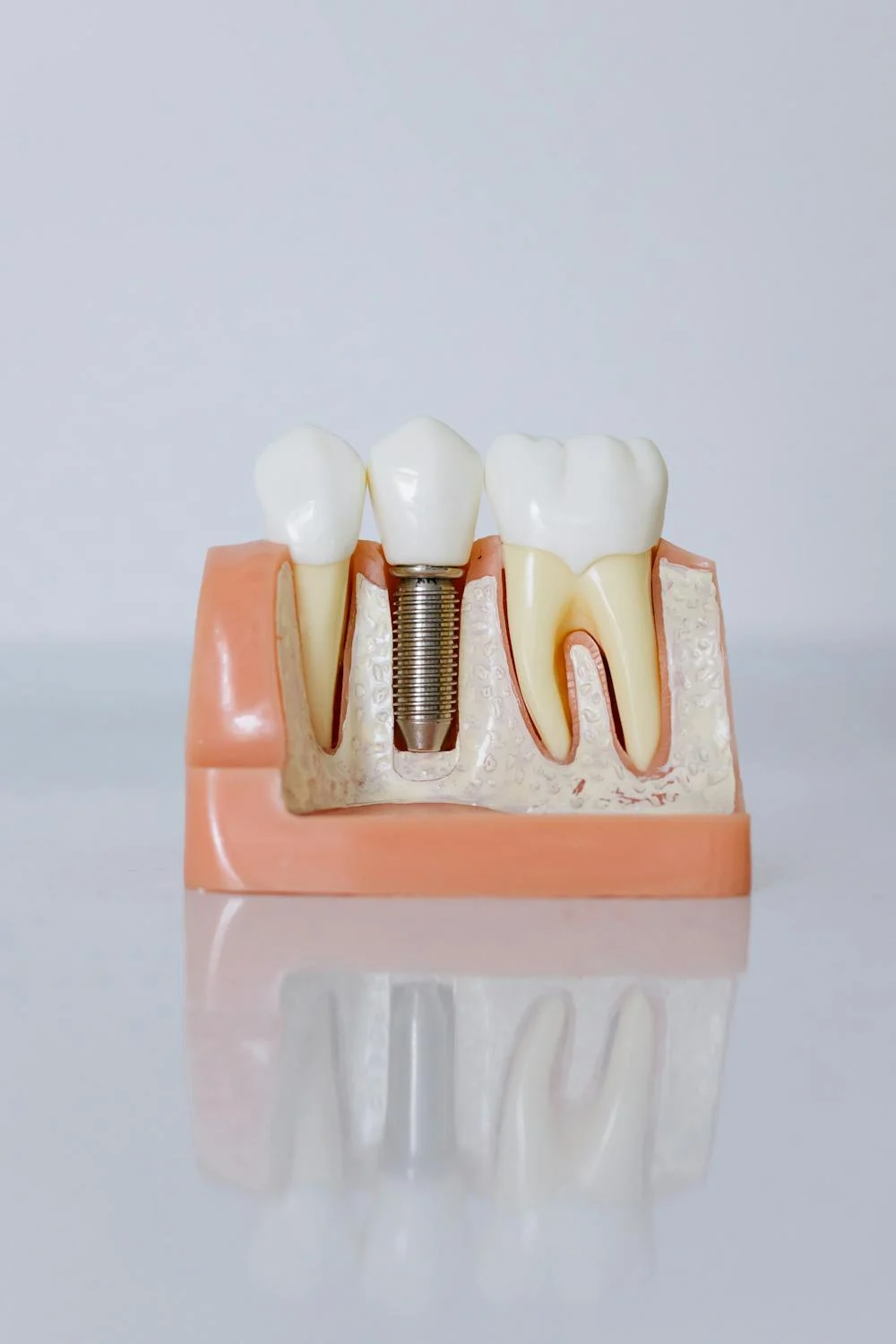
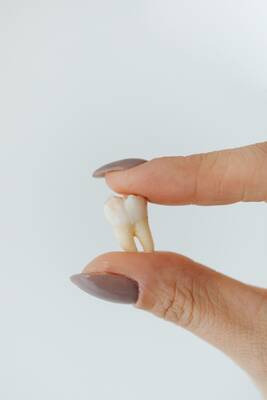 Photo by www.kaboompics.com
[/caption]
Bone Loss After Tooth Loss: How Implants Help Preserve Jaw Structure
Losing a tooth feels like a single, finished event. The tooth is gone, you adjust, life moves on. What most people do not realize is that the loss sets off a slow, quiet process underneath — in the bone — and that process keeps going long after the gap has stopped feeling new. Months later, years later, the jaw is still responding to what happened.
That process has a name: resorption. And understanding it explains why dentists push so hard to replace missing teeth rather than just leaving the space and hoping for the best.
Why Bone Disappears When a Tooth Does
Jawbone is not static. It behaves a lot like the rest of your skeleton, constantly remodeling itself based on the demands placed on it. This is the same principle behind why astronauts lose bone loss in zero gravity, or why a cast leaves a limb thinner than before. Bone responds to load. Use it, and the body maintains it. Stop using it, and the body — ever efficient — stops investing resources there.
A natural tooth root delivers a steady stream of small forces into the surrounding bone every single time you chew, speak, or clench. Those forces are the signal that tells the body to keep that section of jaw dense and well-supplied. Remove the root, and the signal stops. The bone in that area no longer has a reason, as far as the body is concerned, to maintain itself at full strength.
The bone does not vanish overnight. But studies tracking patients after extraction show meaningful loss within the first year, with the steepest decline happening in the first few months after the tooth comes out. Width tends to go before height. Over several years, a ridge that once comfortably held a tooth can shrink dramatically, both in volume and in shape.