Dental Research / 16.03.2026

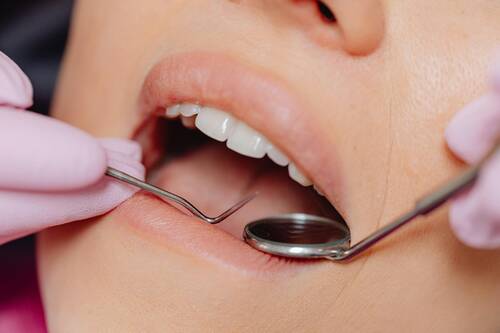
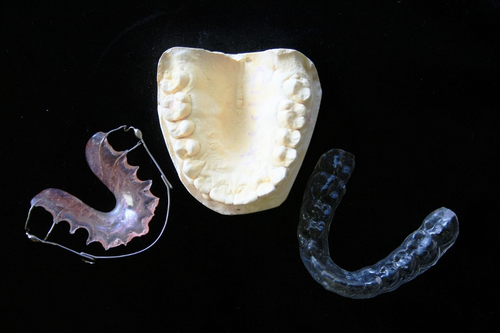
[caption id="attachment_72797" align="aligncenter" width="500"]Retainers and oral health Image Source[/caption] Finishing braces or clear aligner treatment often feels like the end of the orthodontic journey. In reality, it marks the beginning of a new stage that is just as important. Orthodontists call this the retention phase, and it focuses on maintaining the results achieved during treatment. Straight teeth look great, but they also improve daily oral hygiene and support long-term dental stability. Teeth do not instantly settle into their new positions after braces come off. The surrounding bone, ligaments, and gum tissues need time to adjust and strengthen. Without proper support during this period, teeth can gradually drift back toward their original alignment. This is why orthodontists recommend retainers immediately after treatment. The appliance keeps teeth in place while the mouth stabilizes. Communities such as Minnetonka, Minnesota, where many families prioritize preventive dental care and orthodontic treatment, often see patients continue follow-up care long after braces are removed. Maintaining results requires a combination of consistent retainer use, good oral hygiene, and professional monitoring.
Cosmetic Procedures, Dental Research / 23.05.2025

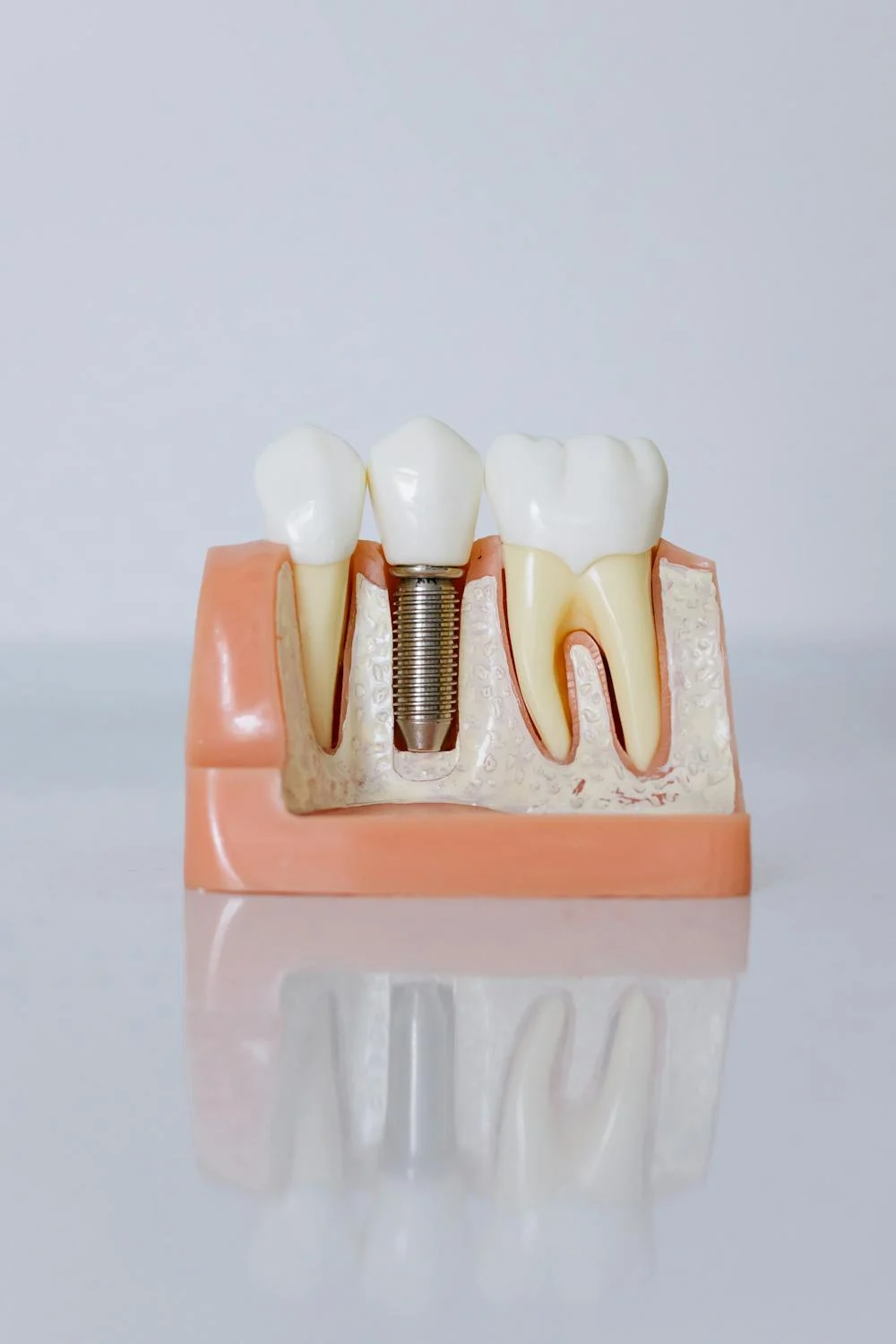
[caption id="attachment_68668" align="aligncenter" width="500"]dental-veneers-benefits Source[/caption] When most people think about veneers, the immediate association is cosmetic—whiter, straighter, and more uniform teeth that create a picture-perfect smile. While this aesthetic transformation is certainly one of the main draws, veneers offer a host of other benefits that extend beyond appearances. These non-aesthetic advantages can significantly impact your oral health, confidence, and even your quality of life. Strengthening Damaged Teeth One of the most practical benefits of veneers is their ability to reinforce and protect weakened or damaged teeth. Veneers, typically made from porcelain or composite resin, act as a durable outer layer that can help protect the underlying tooth structure from further wear and tear. If you have minor cracks, chips, or enamel erosion, veneers can provide a layer of defense that restores functionality and prevents further damage.
Dental Research / 26.02.2025

[caption id="attachment_66825" align="aligncenter" width="500"]dental-extractions-tooth-removal Photo By: Kaboompics.com[/caption] The thought of having a tooth pulled is enough to make most people anxious. Whether it’s a stubborn wisdom tooth, a badly decayed molar, or a tooth that just won’t budge on its own, the idea of extraction can bring up a flood of questions—and, let’s be honest, a bit of fear. Will it hurt? How long will it take to heal? Do I really need surgery? These are common concerns, and understandably so. But the truth is, modern dentistry has come a long way, and tooth extractions are far less daunting than many expect. To make things clearer, we spoke with certified oral surgeons about the key differences between simple and surgical extractions, so you feel more informed, more prepared, and—most importantly—less anxious about what’s ahead.
Dental Research / 17.12.2024

[caption id="attachment_65551" align="aligncenter" width="500"]orthodontic-expertise Pexels image[/caption] In today’s world, the significance of a vibrant, healthy smile cannot be overstated. The field of orthodontics, with its advanced procedures and technology, offers a myriad of solutions to transform your smile. This branch of dentistry, focusing on diagnosing, preventing, and treating dental irregularities, provides personalized, thorough treatment plans, to cater to an individual’s unique needs. As we explore deeper into this topic, we shall uncover the intricate details of these orthodontic procedures, while highlighting the potential benefits that go beyond aesthetic appeal. The question remains, are you ready to start on the journey for a transformed smile?

Understanding the Role of Orthodontics

The territory of orthodontics, a specialized branch within the vast field of dentistry, plays a pivotal role in enhancing oral health and improving smiles. Tracing back its orthodontic history, the concept of teeth straightening has been in existence since the time of the ancient Egyptians, with continuous evolution and advancement in techniques and technologies over the centuries.  Orthodontics, in its modern form, is not merely about aesthetics; it is an integral component of all-encompassing oral health care. The treatment philosophy of orthodontics encompasses the diagnosis, prevention, interception, and correction of malocclusion, as well as other abnormalities of the developing or mature orofacial structures.  For those seeking expert care from a professional orthodontist, personalized treatment plans can employ a diverse range of appliances, from traditional braces to Invisalign. It is a territory which lays a significant emphasis on patient education, empowering individuals to make informed decisions about their oral health.  Orthodontics, as a field, continues to innovate and evolve, with a constant push towards less invasive and more efficient treatments. This dedication to progress and patient care underscores the importance of orthodontics in the territory of dentistry and beyond.
Dental Research / 16.07.2024

A chipped tooth, a stubborn stain, or a gap between your teeth can significantly impact your smile and self-confidence. The good news is that modern dentistry offers a variety of solutions for fixing damaged or discolored teeth, allowing you to achieve the smile you've always dreamed of. The reasons for tooth damage and discoloration are numerous. Accidents, chewing on hard objects, teeth grinding, and even the natural aging process can all take a toll on our teeth. Certain lifestyle habits like smoking, excessive coffee or tea consumption, and neglecting oral hygiene can also contribute to discoloration. Regardless of the cause, there's a treatment option available to restore your smile's beauty and function. However, consulting a dentist to determine the best course of action for your specific needs is crucial.

Understanding the Types of Damage and Discoloration

Tooth damage and discoloration can manifest in various ways:
  • Chipped or Cracked Teeth: These can be caused by accidents, biting down on hard objects, or teeth grinding. The severity of the chip or crack will determine the most suitable treatment.
  • Worn Teeth: Over time, teeth can wear down due to age, grinding, or acidic foods. This can expose the underlying dentin, making teeth appear yellowed.
  • Stains and Discoloration: Coffee, tea, red wine, and smoking are notorious for staining teeth. The aging process and certain medications can also contribute to discoloration. The extent and depth of the stain will influence the appropriate whitening method.