Dental Research / 21.05.2026

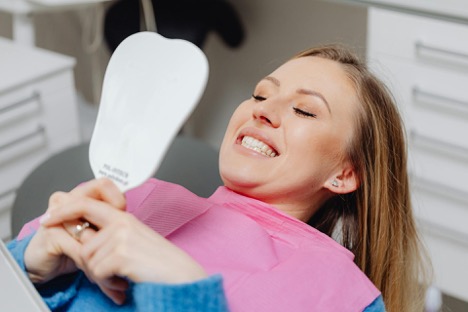
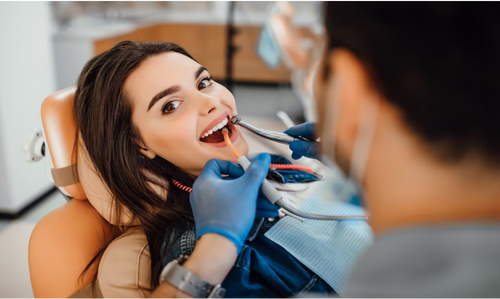
[caption id="attachment_73889" align="aligncenter" width="500"]why-regular-dental-care-is-important.jpg Photo by Gustavo Fring[/caption] Historically, medical and dental care have been treated as separate disciplines in the minds of many patients. Most people associate dental visits primarily with cavity prevention, fresh breath, and achieving a bright, confident smile. However, modern clinical research paints a much broader and more complex picture of why oral hygiene is so critical. The human mouth is a literal gateway to the entire body, and neglecting its care can lead to a cascade of medical issues that extend far beyond tooth decay. Establishing a consistent routine with a reliable local dental spot for preventative screenings and professional cleans is actually one of the most effective ways to protect yourself against long-term, chronic systemic inflammation. The mechanism behind this whole-body impact comes down to the immune system's biological response to bacterial overgrowth. When plaque is allowed to accumulate and harden into tartar, it creates a highly protected environment where harmful bacteria thrive along and beneath the gumline. This bacterial invasion triggers an immediate immune response, causing localised inflammation known as gingivitis. If left untreated by a professional, this early-stage condition progresses into periodontitis. Periodontitis is a severe infection that breaks down the soft tissue and bone supporting the teeth, creating pockets where even more bacteria can rapidly multiply.
Dental Research / 19.05.2026

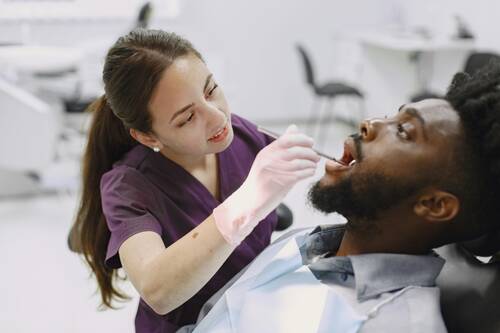
Most people only think about their teeth when something hurts. A twinge. A sensitivity. A filling that feels loose. Then the appointment gets booked, the problem gets fixed, and life moves on until the next issue surfaces. It is understandable. But it misses something important. Your mouth is connected to your heart, your lungs, your blood sugar, and your immune response. Researchers have been mapping these connections for decades, yet most people never hear about them in a routine check-up.

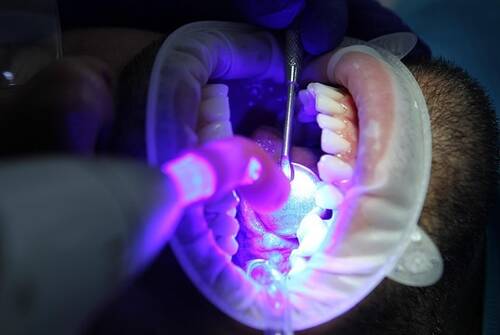
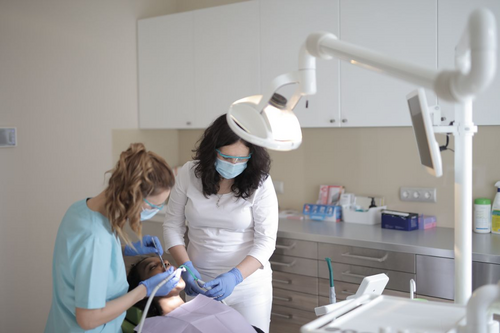
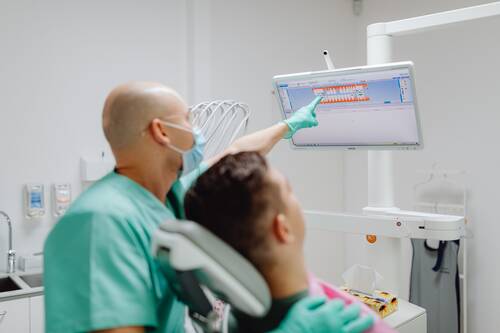
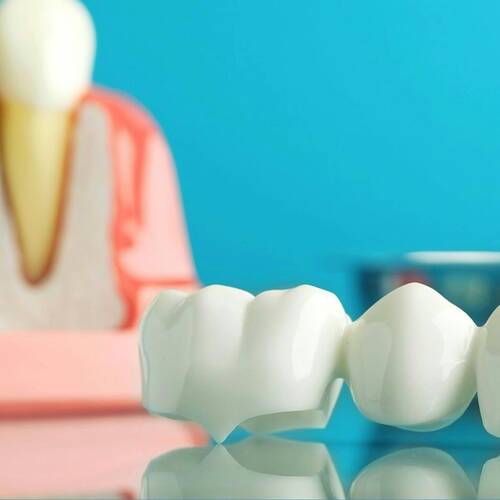
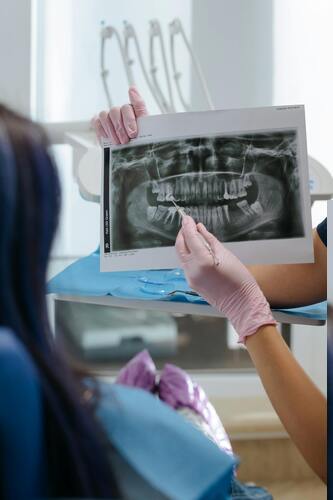
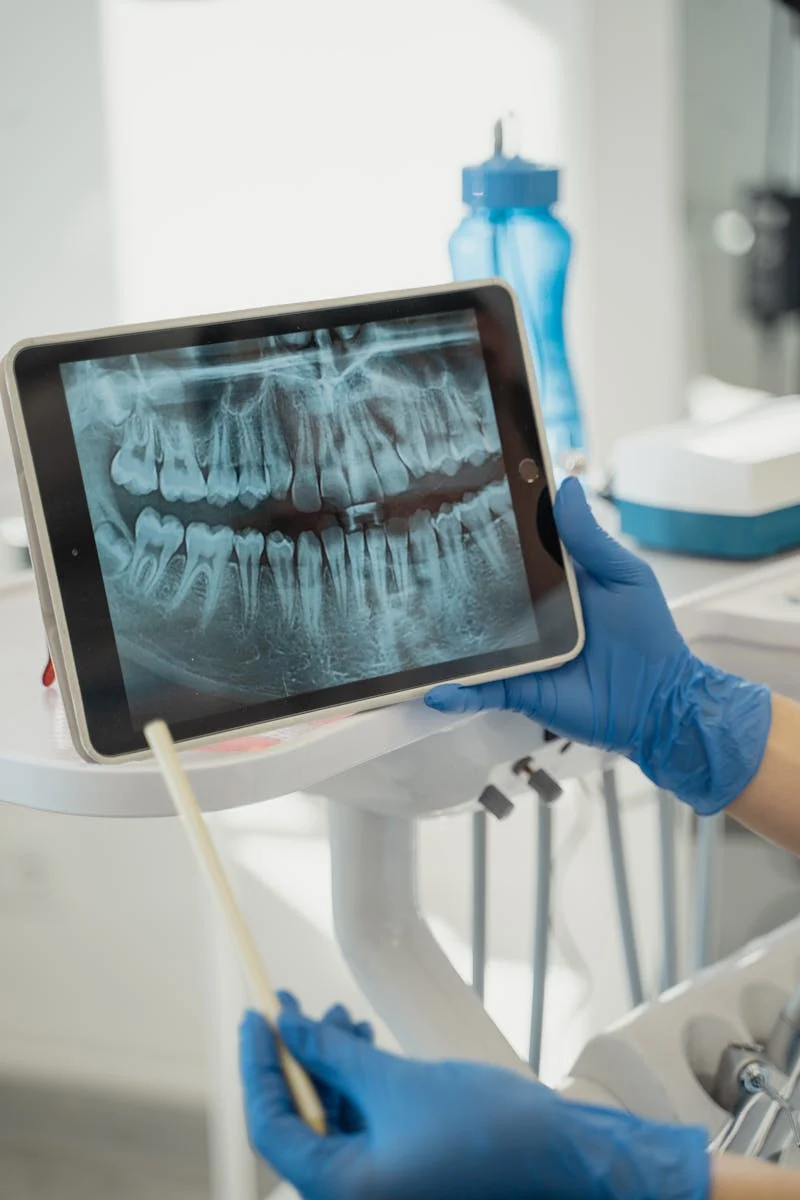
<p>Most people only think about their teeth when something hurts. A twinge. A sensitivity. A filling that feels loose. Then the appointment gets booked, the problem gets fixed, and life moves on until the next issue surfaces.</p> <p>It is understandable. But it misses something important. Your mouth is connected to your heart, your lungs, your blood sugar, and your immune response. Researchers have been mapping these connections for decades, yet most people never hear about them in a routine check-up.</p> <!--more--> <p style="text-align: center;">[ IMAGE 1 ]</p> <hr /> <h2><strong>Your Mouth and Your Heart Have More in Common Than You Think</strong></h2> <p>The mouth hosts hundreds of bacterial species. In a healthy mouth, they coexist without causing problems. When the balance shifts, certain bacteria become destructive. They inflame gum tissue — and that inflammation does not stay put.</p> <p>Studies in cardiovascular medicine have found consistent associations between gum disease and elevated heart disease risk. The mechanism is surprisingly direct: bacteria from infected gum tissue enter the bloodstream and travel to arterial walls. Researchers have actually found oral bacteria inside arterial plaque samples. That shifted the conversation from statistical association to something far more specific.</p> <p>Diabetes adds another layer. People with poorly controlled blood sugar tend to have more severe gum disease, and untreated gum disease appears to make blood sugar harder to regulate in return. It runs both ways. Respiratory health is also gaining attention — bacteria from the mouth have been linked to pneumonia and lung infections, particularly in older adults. In pregnancy, gum disease has been associated with preterm birth and low birth weight, and some health systems now recommend dental check-ups as standard prenatal care.</p> <hr /> <h2><strong>The Inflammation Factor Nobody Talks About</strong></h2> <p>Short-term inflammation is useful — it is the body defending itself. Chronic, low-grade inflammation that drags on for months or years is something else entirely. It sits at the root of heart disease, type 2 diabetes, certain cancers, autoimmune disorders, and cognitive decline.</p> <p>Advanced gum disease is a chronic inflammatory condition. The gums become a persistent source of immune activation, and the chemicals produced — called cytokines — circulate through the body. This is why dental health is no longer just about avoiding cavities. It is about managing one genuine contributor to body-wide inflammation.</p> <p>Gum disease is largely preventable and responds well to treatment. Adults who have drifted away from regular dental care often find that re-establishing it is one of the more impactful decisions they can make. Finding a <a href="https://www.andrewgronowdentalcare.com/locations/brighton/" target="_blank" rel="noopener">dentist in Brighton</a> or a trusted local practice and booking that overdue check-up is a reasonable first step. Not perfection — just professional oversight back in the picture.</p> <p style="text-align: center;">[ IMAGE 2 ]</p> <hr /> <h2><strong>Why Childhood Sets the Trajectory</strong></h2> <p>There is a concept in medicine called the critical window — a period in development when habits and exposures have an outsized effect on long-term outcomes. For oral health, that window opens early. Children who see a dentist regularly from a young age get more than clean teeth. They get comfortable with the environment, and that matters more than most parents realise.</p> <p>Dental anxiety stops many adults from seeking timely care, and a significant amount of that anxiety traces back to early experiences. Primary teeth matter too. They hold space in the jaw for permanent teeth, support speech development, and allow children to eat without pain. When lost too early through decay or infection, they disrupt everything that follows.</p> <p>There is a social dimension as well. Children with visible decay or dental pain often hold back — they avoid smiling, eat less comfortably at school, and stay quiet in class. Getting children into a supportive, child-focused environment early makes a genuine difference. Families who want that specialist approach will find that a dedicated <a href="https://www.dentalsuite.com.au/childrens-dentistry/" target="_blank" rel="noopener">kids dentist Newtown</a> or a similarly focused local practice offers both clinical expertise and the patient manner that makes dental visits manageable rather than dreaded.</p> <p style="text-align: center;">[ IMAGE 3 ]</p> <hr /> <h2><strong>What Good Daily Habits Actually Look Like</strong></h2> <p>Brushing twice a day with fluoride toothpaste is still the foundation. Two minutes is the clinical recommendation — most people do around 45 seconds. A simple phone timer changes this more than any gadget will. Electric toothbrushes consistently outperform manual ones in the research, particularly along the gumline.</p> <p>Flossing clears the contact points between teeth that bristles cannot reach — precisely where decay and gum disease most often begin. If flossing feels awkward, interdental brushes are easier and equally effective. Diet matters more than most people expect, but perhaps not in the way they think. Frequency of sugar exposure is more damaging than total intake. Each sugary encounter triggers an acid attack on enamel lasting around 20 minutes — sipping a soft drink across three hours is far harder on teeth than something sweet eaten once with a meal.</p> <p>Stress is the overlooked factor. It contributes to grinding and clenching during sleep, which wears enamel and can fracture teeth over time. A dentist can spot the signs early and recommend a night guard before real damage accumulates.</p> <hr /> <h2><strong>Why Waiting Almost Always Costs More</strong></h2> <p>A small cavity caught early takes minutes to treat. Left alone, it reaches the nerve — meaning root canal treatment. Left longer still, the tooth may not be salvageable at all. Then comes the extraction, the bone loss, the shifting of adjacent teeth, and eventually the conversation about implants or bridges. At every stage the cost increases. The treatment that costs least and causes least discomfort is always the earliest one.</p> <p>Gum disease follows the same pattern. Early-stage gingivitis reverses with a professional clean and better home care. Advanced periodontitis involves bone loss that cannot be restored, only managed. The only thing separating those two outcomes is usually how long treatment was delayed.</p> <hr /> <h2><strong>Rethinking What Dental Care Is Actually For</strong></h2> <p>Your mouth is not separate from your health — it is part of it. Treating dental care as optional, or as something to deal with only when things go wrong, ignores what the evidence has been building toward for years. For adults, that means a regular check-up rhythm with a practice you trust. For parents, it means introducing dental visits early, keeping them calm and low-key, and not letting your own anxieties pass to your children.</p> <p>The research keeps deepening and the connections between oral health and the rest of the body keep getting clearer. Taking care of your mouth is, increasingly, one of the more straightforward things you can do for your overall health.</p> <hr /> <p style="font-size: 13px; color: #666; background: #f0f0f0; border: 1px solid #d8d8d8; padding: 14px 18px;"><strong>Disclaimer:</strong> The information on MedicalResearch.com is provided for educational purposes only, and is in no way intended to diagnose, cure, or treat any medical or other condition. Some links are sponsored. Products, services and providers are not warranted or endorsed by MedicalResearch.com or Eminent Domains Inc. Always seek the advice of your physician or other qualified health and ask your doctor any questions you may have regarding a medical condition. In addition to all other limitations and disclaimers in this agreement, service provider and its third party providers disclaim any liability or loss in connection with the content provided on this website.</p>

Your Mouth and Your Heart Have More in Common Than You Think

The mouth hosts hundreds of bacterial species. In a healthy mouth, they coexist without causing problems. When the balance shifts, certain bacteria become destructive. They inflame gum tissue — and that inflammation does not stay put. Studies in cardiovascular medicine have found consistent associations between gum disease and elevated heart disease risk. The mechanism is surprisingly direct: bacteria from infected gum tissue enter the bloodstream and travel to arterial walls. Researchers have actually found oral bacteria inside arterial plaque samples. That shifted the conversation from statistical association to something far more specific. Diabetes adds another layer. People with poorly controlled blood sugar tend to have more severe gum disease, and untreated gum disease appears to make blood sugar harder to regulate in return. It runs both ways. Respiratory health is also gaining attention — bacteria from the mouth have been linked to pneumonia and lung infections, particularly in older adults. In pregnancy, gum disease has been associated with preterm birth and low birth weight, and some health systems now recommend dental check-ups as standard prenatal care.
Dental Research / 30.09.2025

[caption id="attachment_70812" align="aligncenter" width="500"]Overhead Costs in Implantology Photo by Yaroslav Shuraev[/caption] Running a modern dental practice is as much about operational efficiency as it is about clinical excellence. Implantology, while one of the most rewarding and profitable areas of dentistry, also comes with significant overhead costs. From stocking multiple implant components to managing supplier relationships, expenses can quickly add up. The challenge for today’s clinicians is clear: how can practices reduce overhead costs without sacrificing the quality of care or patient outcomes?

The Hidden Costs of Implantology

Many practices face cost inefficiencies that are not always obvious at first glance:
  • Excessive inventory – carrying large stocks of brand-specific components that may never be used.
  • Supplier fragmentation – working with multiple vendors, each with separate contracts and shipping costs.
  • Training inefficiencies – staff spending time mastering different systems, increasing labour costs.
  • Procurement delays – slow ordering processes that consume administrative resources.
While these issues may seem minor individually, together they significantly impact profitability.
Author Interviews / 08.09.2025

[caption id="attachment_70572" align="aligncenter" width="500"]exciting-dental-innovations Photo by Daniel Frank[/caption] Dentistry has changed a lot in recent years. In 2025, both dentists and patients have new tools that make it easier to take care of teeth. Dental professionals use advanced instruments to perform treatments with more accuracy, while patients have access to better home care products that help keep their mouths healthy. These changes work together, so dentists can do their job more precisely and patients can keep up with their own care between visits. Modern oral health is no longer just about one single step—it is about combining professional treatment, daily hygiene, and cosmetic improvements. When looking at the most important changes, three areas stand out. First, dentists now use improved tools and supplies that allow them to work carefully and safely. Second, better toothbrush technology helps patients maintain clean teeth at home, supporting the work done by professionals. Third, whitening products have become safer and more effective, giving people brighter smiles without complicated procedures. Together, these advancements show how oral health in 2025 is becoming more complete and more reliable than ever before.
Dental Research / 21.04.2025

Versailles Dental Clinic

Introduction

A confident smile can significantly impact your personal and professional life. For those struggling with missing teeth, dental implants offer a permanent and natural-looking solution. At Versailles Dental Clinic in Dubai, we specialize in transforming smiles with advanced dental implant procedures.​

What Are Dental Implants?

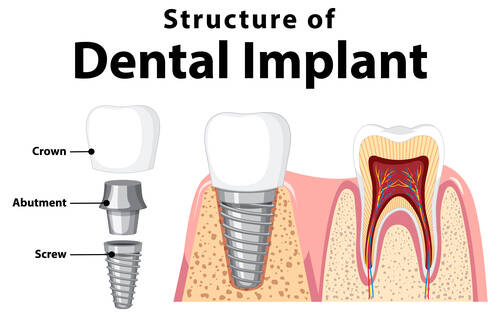
Dental implants are titanium posts surgically placed into the jawbone, acting as artificial tooth roots. Once integrated, they support crowns, bridges, or dentures, restoring both function and aesthetics.​
Dental Research / 21.03.2025

[caption id="attachment_67420" align="aligncenter" width="400"]dental-bridges-dental-work Image[/caption] Dental bridges are the most common dental prostheses that have been used to treat lost teeth. However, not many are aware of the conditions when a dental bridge is indicated, their types, and their horizon of functionality. In this article, we will study how effective dental bridges are and how to know which bridges are the best choice for you. If you have been searching for technical information about dental bridges, this article may answer all your queries. Dental bridges: mechanism and structure Dental bridges can be considered for the replacement of more than one missing tooth. Parts of a dental Bridge A dental bridge consists of three parts: Pontic: Pontic is an artificial tooth that replaces missing tooth or teeth. These are the most vulnerable parts of the dental bridge. Pontic is completely dependent on the abutment teeth and crowns over it. Abutment: Dental bridges need surrounding teeth as anchors to stay in place. This support is called abutment teeth. The abutment teeth should be very strong because they share the chewing load of the dental bridge as well. Crown: The crown covers the abutment teeth or Implant just like a single crown. The biggest difference between a crown and a bridge is that a single crown does not need any support from the surrounding teeth or implants, but a dental bridge needs sound healthy neighboring teeth support.
Dental Research / 20.02.2025

[caption id="attachment_66742" align="aligncenter" width="333"]dental-providers-dental-indemnity Photo by cottonbro studio[/caption] Dentistry thrives on teamwork, with every professional contributing their skills to ensure patients receive the best possible care. From the dentists leading the charge to the technicians working behind the scenes, each role is vital to the success of a practice. Let’s take a closer look at these roles and why dental indemnity insurance is a must-have for all professionals.

The Dentist: Leading the Way in Patient Care

Dentists are the central figure in a dental practice, responsible for diagnosing, treating, and managing a variety of oral health issues. Their work ranges from routine check-ups and fillings to complex procedures such as root canals and oral surgery.

Key responsibilities:

  • Diagnosing oral health problems.
  • Creating and implementing treatment plans.
  • Educating patients on oral hygiene and preventive care.
  • Supervising other team members, such as dental nurses and hygienists.
 
Dental Research / 30.01.2025

dental technology Advancements in dental technology are transforming patient care, making procedures more precise, efficient, and comfortable. These innovations, from digital diagnostics to minimally invasive treatments, help dentists enhance oral health while improving patient experiences. Digital Imaging and AI-Assisted Diagnostics  Traditional X-rays are being replaced by advanced digital imaging systems that provide clearer, more detailed views of teeth and gums. Cone beam computed tomography (CBCT) offers 3D imaging, allowing dentists to diagnose issues with unprecedented accuracy. Artificial intelligence (AI) is also making an impact by analyzing images to detect cavities, gum disease, and other conditions earlier than ever before. This leads to faster, more effective treatment plans. Laser Dentistry for Painless Procedures Laser technology is revolutionizing dental procedures by reducing discomfort and speeding up healing times. Soft tissue lasers are used for gum reshaping, removing infected tissue, and treating periodontal disease with minimal bleeding and swelling. Hard tissue lasers can prepare cavities without the need for drills, making procedures less stressful for patients.
Dental Research / 28.01.2025

[caption id="attachment_66179" align="aligncenter" width="468"]Common Oral Health Issues Image source[/caption] Oral health is more than just maintaining a great smile - it’s a critical part of overall well-being. Research shows that poor oral health is linked to systemic conditions like heart disease, diabetes, and even certain cancers. Yet, despite the clear connection, oral health issues remain alarmingly common. Nearly 80% of Americans experience at least one cavity by age 34, and about 50% of adults grapple with gum disease. These numbers are a wake-up call to prioritize oral hygiene and learn about common dental problems, their causes, and solutions. Understanding these issues empowers you to protect not just your teeth and gums but also your overall health. This article will take you through these issues step by step, empowering you to take charge of your oral health.
  1. Tooth Decay: The Silent Culprit
Tooth decay, or dental caries, is one of the most common oral health problems worldwide. It occurs when plaque, a sticky film of bacteria, interacts with sugars from food to produce acid that erodes tooth enamel. Over time, this process can create cavities, leading to pain, sensitivity, and, if untreated, infection or tooth loss. The factors behind tooth decay include poor brushing habits, high-sugar diets, and infrequent dental visits. Even genetics can play a role, as some people may naturally have weaker enamel. However, the good news is that tooth decay is preventable and treatable. Regular brushing and flossing, combined with fluoride toothpaste, can protect your teeth. Dietary adjustments, such as reducing sugar intake, are equally crucial. For those who have already experienced tooth decay, there are solutions. Cavities can be treated with fillings or crowns, and more severe cases may require root canal therapy or tooth extraction. Modern dental advancements, such as teeth implants, can replace missing teeth and improve both function and aesthetics, ensuring restored smiles and renewed confidence.

Dental Research / 23.01.2025

[caption id="attachment_66055" align="aligncenter" width="500"]dental-smile Photo By: Kaboompics.com[/caption]

Table of Contents

  • Introduction to Dental Implants
  • Why Choose Dental Implants?
  • Benefits for Overall Oral Health
  • Longevity and Durability of Implants
  • Improving Self-Confidence
  • Cost-Effective in the Long Run
  • Minimal Ongoing Maintenance
  • The Psychological Impact of Restored Teeth
 

Introduction to Dental Implants

In the area of dental restoration, dental implants in Rochester Hills have become a dependable and practical option for those experiencing tooth loss. These implants are crafted to imitate real teeth natural look and functionality, making them a respected choice among patients and dental professionals. Dental implants are surgically inserted into the jawbone. They are constructed from high-quality titanium, well-known for its compatibility with human bone. Over time, these implants undergo osseointegration, which involves fusing with the bone to create a solid foundation that enhances their strength and efficacy. This leads to a dental solution that boosts a smile's aesthetic appeal and supports overall oral health and functionality, significantly improving patients' quality of life.
Dental Research / 13.01.2025

biomimetric dentristy
X ray of teeth Biomimetic dentistry, a progressive approach to oral care, is gaining traction in locales such as Newport Beach, California. This method, which emphasizes the replication of natural tooth structure and function, has proven advantageous regarding durability and patient satisfaction. With the application of advanced materials like composite resins and ceramics, the approach minimizes invasiveness and prioritizes the preservation of natural teeth. A closer inspection of the practices in Newport Beach reveals a compelling story of innovation and success in dental healthcare. The question arises: How exactly does this trend contribute to the enhancement of oral health and patient experience?

Understanding Biomimetic Dentistry

Biomimetic Dentistry, a term derived from the sciences of biology and mimicry, is gaining considerable recognition within the dental profession. This innovative approach is centered on the usage of biomimetic materials to create dental solutions that mimic the natural structure and function of teeth, promoting dental aesthetics and overall oral health. Biomimetic Dentistry represents a paradigm shift from the traditional restorative dentistry. It capitalizes on the advanced biomimetic materials, including ceramics and composite resin, which are akin to the natural dental tissues regarding their mechanical properties and appearance. These materials are used to restore the damaged or decayed teeth, emulating their original structure and function, thereby enhancing dental aesthetics. This methodology is more than just a cosmetic solution; it aims to replicate the natural biologic processes and biomechanics of the oral cavity. It accommodates the dynamic nature of the oral environment, focusing on preserving the tooth structure, preventing tooth decay, and reducing the need for root canals and crowns. The goal is to create restorations that work harmoniously with the existing dental structure, ensuring long-term oral health and aesthetic satisfaction.
Dental Research / 21.11.2024

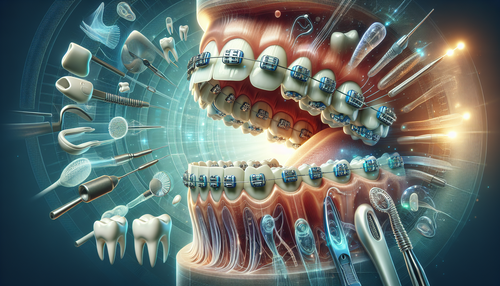
Orthodontics plays a vital role in enhancing oral health by correcting misaligned teeth and improving bite functions. Braces remain one of the most common treatment options recommended by dental professionals to achieve optimal dental alignment. Understanding how braces influence oral health can guide you to better dental practices and healthier smiles. [caption id="attachment_64911" align="aligncenter" width="500"]Effect of braces on oral health Source: Bazoom AI[/caption] In recent years, orthodontics has gained significant attention for its contributions to oral health improvements. With the evolution of technology, braces have become more efficient and comfortable, making them a popular choice among patients seeking dental correction. An orthodontist Madison-based or based close to Madison will typically offer a range of services to cater to diverse patient needs, with braces being a central component of their treatment plans.
Dental Research / 26.09.2024

[caption id="attachment_63520" align="aligncenter" width="500"]dental-dentists.png Source  Freepik.com[/caption] A dentist’s responsibility is to ensure that the patient has proper dental health. From a simple check-up to teeth cleaning to veneer, dentists are trained and skilled in a variety of applications. All dentists are diverse in their fields and ways of practice, and that’s why each dentist's skills are unique. However, the question is, what distinguishes one from a group of others? What makes a dentist the most preferred choice of most patients?   Below are some attributes to help assess whether a dentist is a competent professional.
Dental Research / 23.09.2024

If you're considering Invisalign treatment to straighten your teeth, you're likely wondering about the cost and what factors might influence it. In Mill Creek, WA, Invisalign offers a discreet and effective way to achieve a perfect smile, but understanding the cost can help you make an informed decision. This guide will provide an overview of Invisalign costs, factors that affect pricing, and ways to manage expenses. [caption id="attachment_63452" align="aligncenter" width="500"]invisalign Source[/caption]

What Is Invisalign?

Invisalign is an orthodontic treatment that uses clear, removable aligners to straighten teeth. Unlike traditional braces, which use metal brackets and wires, Invisalign aligners are virtually invisible, making them a popular choice for adults and teens who want a more discreet treatment option. The aligners are custom-made to fit your teeth and gradually shift them into the desired position.