
15 Jun Ultrasonic Denture Cleaner for Elderly Oral Health, Oral Infection Prevention and Denture Hygiene Care
Posted at 19:23h
in Dental Research
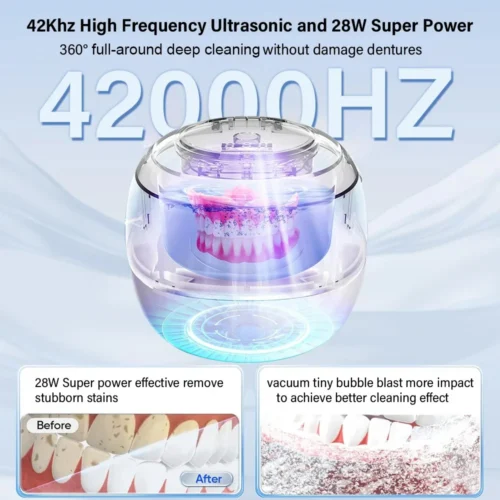
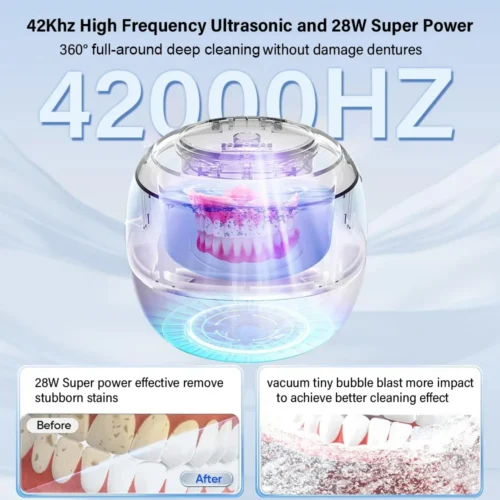 Maintaining elderly oral health is important part of healthy aging. Many older adults depend on dentures for daily comfort, during speak and eating. An Ultrasonic denture cleaner is often use to support denture hygiene care and reduce buildup of debris on dental appliances. Proper cleaning is essential because dentures remain in mouth for long periods. These are exposed to saliva, food particles and microorganisms throughout day.
Age related changes can make oral care more difficult. The decrease in production of saliva, certain medications and general health condition may increase risk of microbial buildup on dentures. Consistent denture hygiene maintenance helps support oral comfort. This may contribute to better oral infection prevention. Modern cleaning devices have become a useful part of senior dental care. An Ultrasonic denture cleaner or a Ultrasonic cleaner pod may be used as supportive cleaning tools. When combine with regular oral hygiene and professional dental care these devices can contribute to improve oral health support and better geriatric oral care.
Maintaining elderly oral health is important part of healthy aging. Many older adults depend on dentures for daily comfort, during speak and eating. An Ultrasonic denture cleaner is often use to support denture hygiene care and reduce buildup of debris on dental appliances. Proper cleaning is essential because dentures remain in mouth for long periods. These are exposed to saliva, food particles and microorganisms throughout day.
Age related changes can make oral care more difficult. The decrease in production of saliva, certain medications and general health condition may increase risk of microbial buildup on dentures. Consistent denture hygiene maintenance helps support oral comfort. This may contribute to better oral infection prevention. Modern cleaning devices have become a useful part of senior dental care. An Ultrasonic denture cleaner or a Ultrasonic cleaner pod may be used as supportive cleaning tools. When combine with regular oral hygiene and professional dental care these devices can contribute to improve oral health support and better geriatric oral care.
