10 Jul What Does a Radiologist Do? Understanding the Role of Medical Imaging Experts
Posted at 17:13h
in Radiology
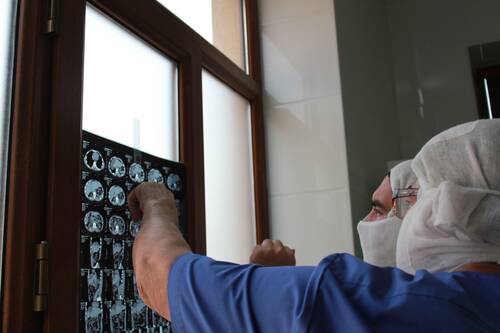
Your doctor orders an MRI. You show up, lie still for a while, and leave. Then a few days later, your physician calls with results — but who actually read those images? It wasn't your doctor staring at scans in a back room. It was a radiologist, and the work they do is far more involved — and far more important — than most patients ever realize. Whether you're getting a routine X-ray or a complex brain scan in Austin, a radiologist is the medical expert quietly working behind the scenes to make sure your diagnosis is accurate.
Understanding the difference between imaging technologies is also useful for patients — explored in detail in this guide to MRI compared to a CT scan and what patients should know.
[caption id="attachment_74919" align="aligncenter" width="500"] Photo by Кайрат Сатдиков[/caption]