
#gumdisease Tag

Dental Treatment and Travel Notice: Research links tooth loss with cognitive decline, but it has not shown that tooth loss causes dementia or that replacing teeth prevents it. Dental implants are surgery and carry risks, including infection, nerve injury, implant failure and the need for further procedures. If you are considering treatment abroad, plan for follow-up care at home, ask who will manage complications after you return, and confirm the dentist's qualifications and the materials used. Patients with heart valve disease, artificial joints, diabetes or conditions that affect healing should discuss implant surgery with their physician first. This post is for general information only. Providers linked in this post are not warranted or endorsed by MedicalResearch.com or Eminent Domains Inc.

Your molars may be doing more for your memory than your daily crossword. Here's what researchers know, and don't yet know, about the mouth-mind connection.

Most of us think of teeth as tools for eating and holiday photos. The brain, meanwhile, lives upstairs, busy with loftier concerns like remembering passwords and where the car is parked. But a growing body of research suggests these two neighbors talk to each other more than we assumed, and that the number of teeth in your mouth may hint at the future of your memory.
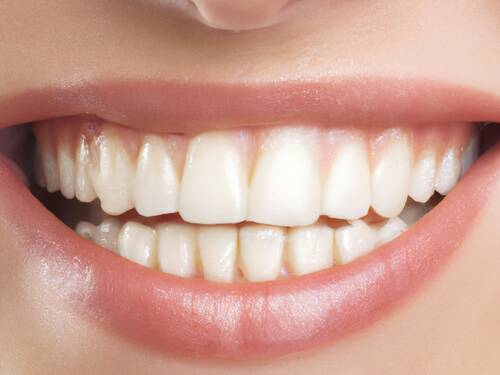
tooth-loss-brain-500

[caption id="attachment_74358" align="aligncenter" width="500"]healthy-dental-gums-pexels.jpg Photo by Kasim H[/caption]

The Link Between Gum Disease and Heart Health: What You Need to Know

Many people may not realise that your gums and your heart are physically connected. Evidence points over and over again to the fact that people with gum disease have a higher risk of heart problems. The biggest reason seems to be that when you have an infection in your mouth, it causes the blood vessels in your whole body to get inflamed. So it is not just teeth and gum problems that come from bad gum health. The conditions that can affect your whole body might be signaled to you at this point.

The reason why it helps to know about this connection between gum disease and heart problems is that bacteria can travel quite easily when there is inflammation. It is very likely that when gums become infected, the same bacteria responsible for the swelling and bleeding can get into the blood through the soft tissues. In fact, it is the continuous inflammatory response of the body that is suspected as the cause of the arteries getting hard and narrowed. Per research, gum disease does not directly cause heart attacks, but the correlation is strong enough that dentists and doctors treating heart diseases are now including oral hygiene as a part that needs to be taken into consideration.

Is It Cheaper to Fix Teeth Early? A Dentist in Shelby Explains Many people overlook minor dental problems as they do not feel painful at first. But these small problems can gradually get worse and turn into greater and costlier treatments later. Early dental care is simple or reasonable and helps protect long-term oral health. Visiting to a dentist on time can stop serious complications, lessen pain and save money. According to Dentist Shelby Township, consistent checkups and preventive care are key to avoiding from major dental problems and having a healthy smile. Taking care of teeth on time is one best way to maintain good oral health for life.

 Brussels, 10 May 2024. Gum health may play a pivotal role in overall health and quality of being, and deserves to be better acknowledged and explored by the research community. That is why the EFP promotes Gum Health Day 2024 on 12 May, an outreach initiative celebrated in more than 30 countries around the world to raise awareness among the medical profession and the general public of the importance of periodontal health. Dr Mia Rakic, Gum Health Day 2024 co-ordinator and member of the executive committee of the EFP (European Federation of Periodontology, efp.org), explains why Gum Health Day 2024 focuses on Generation Z and why gum health is so relevant: