Legal-Malpractice / 27.05.2026

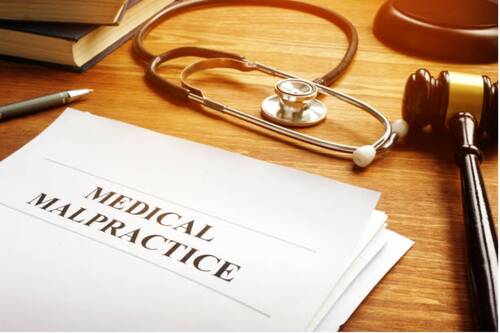
[caption id="attachment_73985" align="aligncenter" width="500"]Impact of Hospital Negligence Source[/caption] Hospital negligence can have devastating financial and emotional consequences for patients and their families. When hospitals or medical staff fail to provide proper care, patients may suffer serious injuries, long-term health complications, permanent disabilities, or even wrongful death. These situations often create overwhelming medical expenses, emotional trauma, and major disruptions to daily life. Many people associate hospital malpractice with surgical mistakes or misdiagnosis, but negligence can happen in many different forms inside healthcare facilities. For victims, the impact goes far beyond the initial injury. A single medical error can affect a person's physical health, career, emotional well-being, and financial stability for years. Families are often left trying to manage expensive treatments, emotional stress, and uncertainty about the future.
Legal-Malpractice / 17.02.2025

[caption id="attachment_66663" align="aligncenter" width="500"]business-health-care-law Photo by Pixabay[/caption] In the healthcare industry, providing quality care is only one part of running a successful business. Equally important is ensuring compliance with the complex web of laws and regulations that govern the sector. From patient privacy to workplace safety, healthcare businesses must navigate a myriad of legal requirements to avoid costly penalties, lawsuits, and reputational damage. Understanding business law is not just a legal obligation—it’s a strategic necessity that can protect your business, enhance patient trust, and ensure long-term success. In this article, we’ll explore why healthcare businesses must prioritize legal compliance and how a solid grasp of business law can help them thrive in a highly regulated environment.

Compliance with Healthcare-Specific Regulations

Healthcare is one of the most heavily regulated industries, and for good reason. The stakes are high, with patient safety, privacy, and well-being on the line. Regulations such as the Health Insurance Portability and Accountability Act (HIPAA), the Occupational Safety and Health Administration (OSHA) standards, and the Anti-Kickback Statute are designed to protect patients, employees, and the integrity of the healthcare system. However, these regulations can be complex and challenging to navigate, especially for businesses without dedicated legal expertise. Noncompliance can have severe consequences. Fines for HIPAA violations, for example, can range from thousands to millions of dollars, depending on the severity of the breach. Similarly, failing to meet OSHA standards can result in hefty penalties and even shutdowns. Beyond financial costs, legal violations can damage a healthcare business’s reputation, eroding patient trust and making it harder to attract and retain clients. By understanding and adhering to these regulations, healthcare businesses can avoid these pitfalls and build a foundation of trust and reliability.