
10 Jul How Natural Vitamin E Helps StrengthenYour Horse’s Immune System
Supplement Notice: The information in this article is intended for general educational purposes only and does not constitute veterinary medical advice. Vitamin E supplementation in horses should be discussed with a licensed veterinarian before use. Dosing requirements vary by age, workload, and health status. Selenium and vitamin E interact — selenium toxicity is a serious risk in horses and selenium supplementation should only be undertaken under veterinary guidance with appropriate testing. Always consult your veterinarian before beginning or modifying any supplement protocol for your horse.
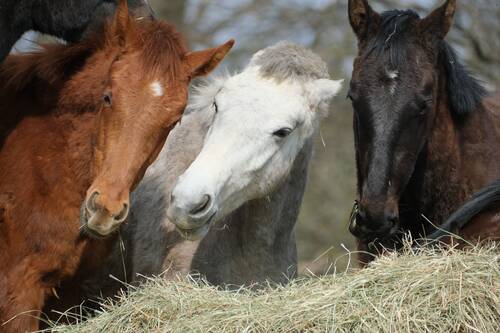
If your horse spends most of the year in a stable or on dried hay rather than fresh green pasture, there's a good chance they're not getting enough vitamin E. And that shortage matters far more than most horse owners realise.
Vitamin E is one of those nutrients that quietly underpins a lot of what goes right in a horse's body, including the immune system's ability to fight off infection and recover from illness. The same antioxidant mechanisms that make vitamin E important in human health — explored further in this overview of why vitamin E is one of the body's most important antioxidants — apply equally in equine biology.