Cannabis / 21.08.2025
Could Medical Cannabis Research Help Bridge the Gap Between Traditional and Alternative Medicine?
Editor’ note: Discuss your use of THC, Cannabis or CBD products with your health care provider. Cannabis/CBD may interfere with other medications and should not be used in individuals with certain health conditions, including liver issues. CBD skin care products can be absorbed through the skin and have similar effects. Do not use Cannabis products including edibles and CBD if you are pregnant, nursing or may become pregnant. Do not use cannabis products if driving or operating difficult or dangerous machinery. Children should not be exposed to cannabis or CBD products.
[caption id="attachment_70363" align="aligncenter" width="500"]
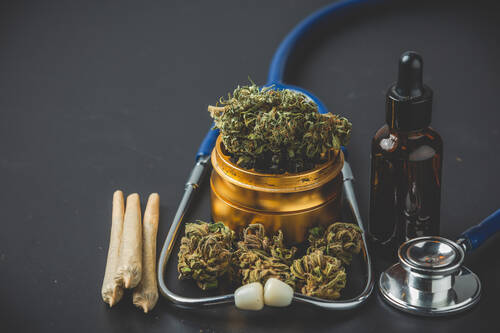
Photo by MART PRODUCTION[/caption]
The landscape of medical cannabis research is evolving rapidly, with new clinical studies emerging monthly that challenge long-held assumptions about cannabinoid therapy. As healthcare professionals navigate this complex field, the need for evidence-based information has never been more critical. Recent research developments are beginning to provide the scientific foundation that both patients and practitioners have been seeking.
Current State of Clinical Research
Medical cannabis research has accelerated significantly in recent years, with over 300 peer-reviewed studies published in 2024 alone. Key areas of investigation include chronic pain management, epilepsy treatment, cancer-related symptoms, and neurological disorders. The National Institutes of Health has increased funding for cannabinoid research by 40% since 2022, reflecting growing institutional recognition of therapeutic potential.
Clinical trials are now examining specific cannabinoid ratios and their effects on various conditions. Research teams at major medical centers are particularly focused on understanding how different compounds interact with the endocannabinoid system and influence therapeutic outcomes.
Photo by MART PRODUCTION[/caption]
The landscape of medical cannabis research is evolving rapidly, with new clinical studies emerging monthly that challenge long-held assumptions about cannabinoid therapy. As healthcare professionals navigate this complex field, the need for evidence-based information has never been more critical. Recent research developments are beginning to provide the scientific foundation that both patients and practitioners have been seeking.
Current State of Clinical Research
Medical cannabis research has accelerated significantly in recent years, with over 300 peer-reviewed studies published in 2024 alone. Key areas of investigation include chronic pain management, epilepsy treatment, cancer-related symptoms, and neurological disorders. The National Institutes of Health has increased funding for cannabinoid research by 40% since 2022, reflecting growing institutional recognition of therapeutic potential.
Clinical trials are now examining specific cannabinoid ratios and their effects on various conditions. Research teams at major medical centers are particularly focused on understanding how different compounds interact with the endocannabinoid system and influence therapeutic outcomes.