24 Apr Ensuring Patient Well-being Through Reliable Medical Supply Chains
Posted at 12:39h
in Supply Chain Issues
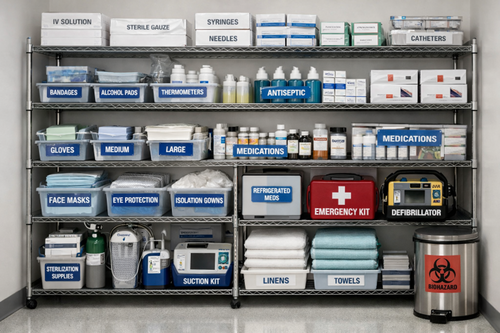
In the intricate world of healthcare, the reliability of medical supply chains is paramount. A seamless flow of medical products — from pharmaceuticals to essential equipment — directly influences patient outcomes and the overall efficiency of healthcare systems. Preventing gaps in the supply chain relies not only on solid planning but also on innovative solutions such as medical resupply services, which help ensure that crucial health resources are consistently restocked to support patient needs.
The complexity of modern healthcare makes it essential that these supply chains function without interruption. From the manufacturing stage to last-mile delivery, every step impacts the ability of clinics, hospitals, and pharmacies to provide timely and effective care. Supply chain disruptions do not just inconvenience providers — they can jeopardize the safety and recovery of those depending on timely treatments.