#MentalHealthAwareness Tag

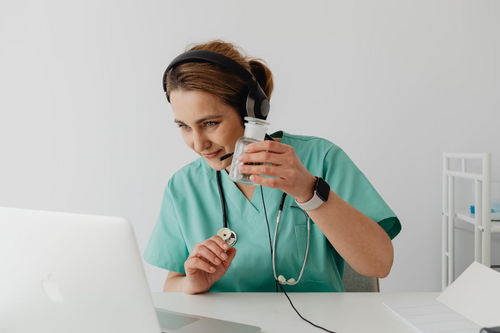
[caption id="attachment_74372" align="aligncenter" width="500"]why-so-many-patients-drop-out-of-therapy.jpg Pexels[/caption]

Mental Health Notice: If you are experiencing a mental health crisis, please seek help immediately. In the US or Canada, call or text 988 (Suicide and Crisis Lifeline, 24/7) or text HOME to 741741 (Crisis Text Line). In Australia, call Beyond Blue on 1300 22 4636 or Lifeline on 13 11 14. In an emergency, call 911 (US) or 000 (Australia).

Why People Quit Therapy Early and How to Find a Therapist That Actually Fits

Starting therapy is hard. Perseverance is tough. But continuing is even tougher. Did you know that most people who start seeing a therapist don't go back for a second session? And many of those that do drop out before they receive any real benefits.

Here's the kicker: the majority of those dropouts have nothing to do with therapy "not working." They boil down to one thing — the fit between patient and therapist. This article shows you why most patients drop out early and what works to keep people engaged long enough to recover.

What's Inside This Guide

  • Why Therapy Dropout Rates Are So High
  • The Real Reasons People Quit Early
  • How to Choose a Therapist That Actually Fits
  • What Therapists Can Do to Keep Patients Engaged

[caption id="attachment_74348" align="aligncenter" width="500"]mental-health-first-time-home-buyer.png Source[/caption]

Buying your first home is a proud milestone, but it can also be one of the most mentally taxing things you ever do. Everything is new, the stakes feel enormous, and there is no past experience to fall back on.

That mix can quietly chip away at your mental health. The encouraging part is that, with the right mindset and a few simple habits, you can look after your wellbeing and still enjoy the journey to your first home. Here is how.

Why a First Purchase Hits Your Wellbeing Harder

First-time buyers carry a particular kind of pressure. You are making huge financial decisions without a template, so every step can feel like a test you are scared to fail.

The fear of making a costly mistake is real, and it can keep your mind spinning long after the day is done. Add tight deadlines, unfamiliar paperwork and a lot of money on the line, and it is easy to feel out of your depth.

Decision fatigue builds quickly too. When you are constantly weighing properties, finance and contracts, your brain gets tired, and a tired brain finds it harder to stay calm and think clearly. Knowing this is normal can take some of the self-judgment out of feeling overwhelmed.

Complex PTSD develops from repeated or prolonged trauma and affects emotional regulation, self-image, and relationships. Here is a complete guide to C-PTSD symptoms, causes, and evidence-based treatment approaches. ...

[caption id="attachment_73784" align="aligncenter" width="500"]Long-Term Mental Wellness Needs Source[/caption]

How Modern Healthcare Is Redefining Emotional Wellness Support

Modern healthcare is finally starting to acknowledge something people have quietly felt for years. Emotional wellness cannot realistically be handled through rushed appointments and short-term crisis conversations alone. Stress, burnout, anxiety, emotional fatigue, and long-term mental strain rarely disappear after one visit or one difficult week. People carry pressure from work, family routines, financial concerns, social expectations, and nonstop digital stimulation every single day, which means emotional wellness support now needs to function much more consistently within healthcare systems instead of appearing only during emergencies. The conversation around mental wellness changed because people increasingly want support that feels ongoing, practical, and connected to everyday life rather than isolated treatment moments separated by long gaps in care. Healthcare systems are adapting because emotional wellness has become impossible to separate from long-term physical health, work performance, sleep quality, relationships, and overall daily functioning. Hospitals, clinics, wellness programs, and healthcare providers are creating models focused more heavily on communication, consistency, and patient support over time.