01 Oct How Dual Action Metabolic Therapies Change Sustainable Weight Loss
Prescription Medication Notice: Tirzepatide is a prescription medication that should only be prescribed and monitored by your healthcare provider. Do not start, stop, or change your dose without medical guidance. Approved uses vary by country. Tirzepatide is not suitable for everyone, including people with a personal or family history of medullary thyroid carcinoma or multiple endocrine neoplasia syndrome type 2 (MEN 2), and it should not be used during pregnancy. Tell your healthcare provider if you have a history of pancreatitis, gallbladder disease, kidney problems, or diabetic eye disease, or if you take insulin, sulfonylureas, or oral contraceptives. Common side effects include nausea, vomiting, diarrhea, and constipation. Seek prompt medical care for severe or persistent abdominal pain, signs of dehydration, or symptoms of an allergic reaction.
Managing metabolic health over forty feels a lot like optimising a complex product strategy. When your body’s baseline insulin sensitivity shifts, relying solely on willpower to restrict calories can trigger intense hunger signals that undermine your long-term goals.
Modern medical weight management has evolved beyond simple caloric restriction toward treatments that act on how your brain and gut communicate.
If you are exploring dual-action hormone treatments like mounjaro in Singapore, understanding how tirzepatide targets both GIP and GLP-1 receptors helps explain how it can reduce food noise and support weight loss. A properly supervised medical program, combined with adequate protein and strength training, can help support steady fat loss while limiting muscle loss.
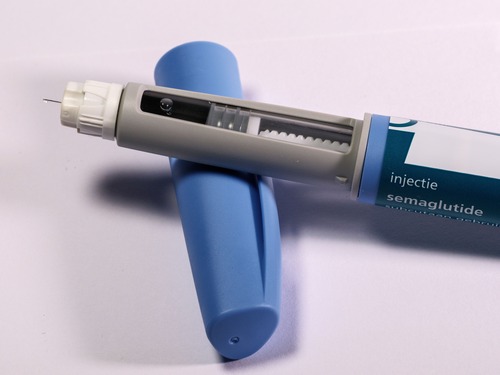
[caption id="attachment_76409" align="aligncenter" width="500"] Photo by Pixabay[/caption]