
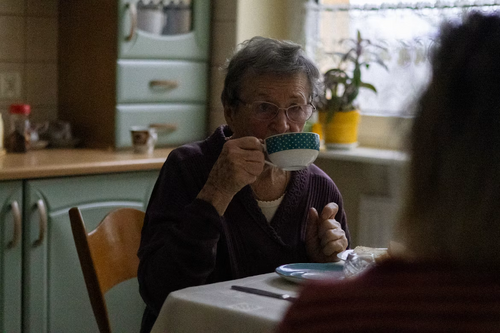
03 Nov The Role of Home Care in Preventing Illness and Injury
Please Note: This post was provided by a home care company and describes its own services. It is for general information only and is not medical advice. Providers named or linked in this post are not warranted or endorsed by MedicalResearch.com or Eminent Domains Inc. Older adults who have fallen, feel unsteady, or are worried about falling should talk with their doctor, who can review medications, vision, and other fall risks. Call 911 after a fall that causes a head injury, severe pain, or an inability to get up.
For many seniors, remaining in their own homes means maintaining independence, comfort, and regular routines. However, as health and mobility needs change, everyday activities become harder, making it more challenging to remain at home safely and independently.
In many cases, home care can make a world of difference by helping prevent illness and injury that may otherwise accelerate a move into a senior living community. At SYNERGY HomeCare, we provide a range of in-home care services to help seniors achieve this goal, including personal assistance, specialized care, hospital-to-home care, and fall and injury prevention home assessments. We believe comprehensive home care services are integral to maintaining independence, safety, and overall well-being in the following ways: