18 Jun How to Protect Your Mental Wellbeing as a First-Time Home Buyer
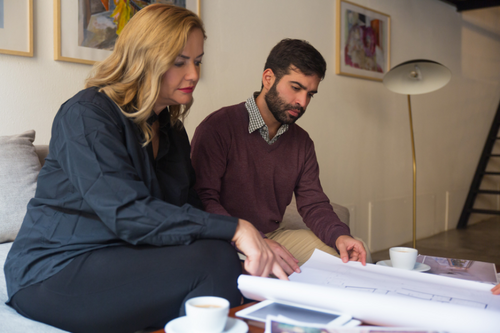
[caption id="attachment_74348" align="aligncenter" width="500"] Source[/caption]
Buying your first home is a proud milestone, but it can also be one of the most mentally taxing things you ever do. Everything is new, the stakes feel enormous, and there is no past experience to fall back on.
That mix can quietly chip away at your mental health. The encouraging part is that, with the right mindset and a few simple habits, you can look after your wellbeing and still enjoy the journey to your first home. Here is how.
Why a First Purchase Hits Your Wellbeing Harder
First-time buyers carry a particular kind of pressure. You are making huge financial decisions without a template, so every step can feel like a test you are scared to fail.
The fear of making a costly mistake is real, and it can keep your mind spinning long after the day is done. Add tight deadlines, unfamiliar paperwork and a lot of money on the line, and it is easy to feel out of your depth.
Decision fatigue builds quickly too. When you are constantly weighing properties, finance and contracts, your brain gets tired, and a tired brain finds it harder to stay calm and think clearly. Knowing this is normal can take some of the self-judgment out of feeling overwhelmed.