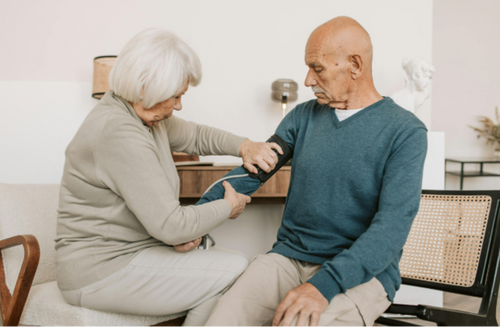
19 Jun Life After a Stroke: What Recovery Really Looks Like
What Stroke Recovery Really Looks Like for Older Adults
For many older adults, a stroke marks the beginning of a new chapter filled with uncertainty. One day, routine activities such as walking around the house, preparing a meal, or chatting with family may feel effortless. The next day, those same tasks can require patience, support, and practice. While emergency treatment often receives the most attention, stroke recovery continues long after a person leaves the hospital.
Families frequently expect a clear timeline for improvement, but stroke recovery rarely follows a predictable path. Some older adults regain skills quickly, while others face ongoing challenges that affect movement, thinking, swallowing, or communication. Understanding what recovery truly looks like can help survivors and caregivers prepare for the road ahead and recognize progress when it happens.
[caption id="attachment_74377" align="aligncenter" width="500"] Image Source[/caption]