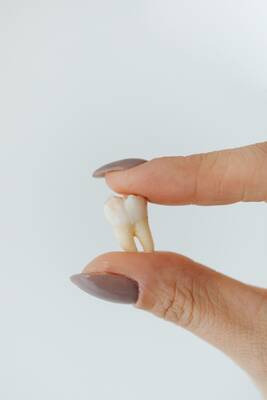
17 Oct What Science Says About Tooth Loss and Your Brain
Dental Treatment and Travel Notice: Research links tooth loss with cognitive decline, but it has not shown that tooth loss causes dementia or that replacing teeth prevents it. Dental implants are surgery and carry risks, including infection, nerve injury, implant failure and the need for further procedures. If you are considering treatment abroad, plan for follow-up care at home, ask who will manage complications after you return, and confirm the dentist's qualifications and the materials used. Patients with heart valve disease, artificial joints, diabetes or conditions that affect healing should discuss implant surgery with their physician first. This post is for general information only. Providers linked in this post are not warranted or endorsed by MedicalResearch.com or Eminent Domains Inc.
Your molars may be doing more for your memory than your daily crossword. Here's what researchers know, and don't yet know, about the mouth-mind connection.
Most of us think of teeth as tools for eating and holiday photos. The brain, meanwhile, lives upstairs, busy with loftier concerns like remembering passwords and where the car is parked. But a growing body of research suggests these two neighbors talk to each other more than we assumed, and that the number of teeth in your mouth may hint at the future of your memory.