
28 Jul Vaping in 2026: How Research, Regulation, and Consumer Demand Are Converging
Notice: Vaping and e-cigarette products contain nicotine, which is highly addictive. They are not approved by the FDA as cessation devices and are not recommended for non-smokers, pregnant individuals, or anyone under 21. If you do not currently smoke, do not start vaping. If you smoke and are considering switching or quitting, speak with a qualified healthcare provider about all available options, including FDA-approved cessation aids. This article is for informational purposes only.
The conversation about vaping has, for most of the last decade, run on a research track and a consumer track that didn't quite meet. The research track measured what specific devices did to specific populations under specific conditions. The consumer track evolved faster than the research could keep up with. What's changing in 2026 is that a third track — what vape users themselves are demanding — has started to shape the market in ways that research and regulation, on their slower clocks, haven't. The result is a faster pull toward transparency, third-party testing, and ingredient disclosure than either evidence-based or rule-making alone had produced.
What follows is a look at where those three tracks are converging: what the research has actually established, what the consumer market looks like now, what vape users themselves are asking for, and what the answer to all three together means for the conversation a clinician or current adult smoker is most likely to be having.
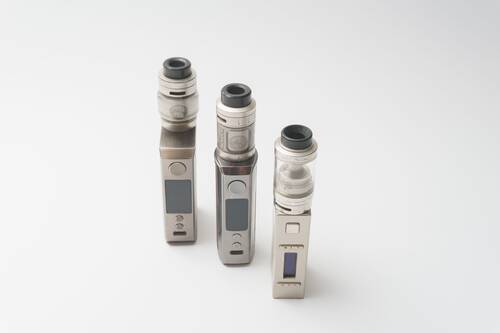
[caption id="attachment_75310" align="aligncenter" width="500"] Photo by Aleksander Dumała[/caption]