Logo Logo Logo Logo Logo
MENUMENU
  • Popular Topics
        • Author Interviews
        • Breast Cancer
        • Cancer Research
        • Cannabis
        • Diabetes
        • Genetics
        • Heart Disease
        • HIV
        • Hypertension
        • Infections
        • Mental Health
        • Obesity
        • Pain
        • Stroke
        • All Topics
  • About Us
  • Contact Us
  • Patient Resources
    • How to File a Complaint Against a Doctor or Hospital
    • How to Dispute a Medical Bill
    • How to Read a Pathology Report
    • How to Find a Specialist
    • How to Evaluate a Clinical Trial?
    • How to Get a Second Opinion
    • Top Ten Medical Research Centers in the United States
    • Understanding Informed Consent
    • What Are Your Rights as a Hospital Patient?
  • VIDEOS
MENUMENU
  • Popular Topics
        • Author Interviews
        • Breast Cancer
        • Cancer Research
        • Cannabis
        • Diabetes
        • Genetics
        • Heart Disease
        • HIV
        • Hypertension
        • Infections
        • Mental Health
        • Obesity
        • Pain
        • Stroke
        • All Topics
  • About Us
  • Contact Us
  • Patient Resources
    • How to File a Complaint Against a Doctor or Hospital
    • How to Dispute a Medical Bill
    • How to Read a Pathology Report
    • How to Find a Specialist
    • How to Evaluate a Clinical Trial?
    • How to Get a Second Opinion
    • Top Ten Medical Research Centers in the United States
    • Understanding Informed Consent
    • What Are Your Rights as a Hospital Patient?
  • VIDEOS

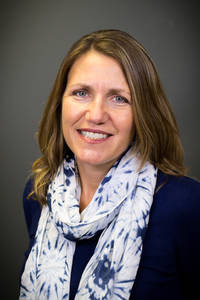
Dr. Jill Cameron

24 May Dr. Jill Cameron

Posted at 14:46h in by Marie Benz MD FAAD

MedicalResearch.com Interview with: Jill Cameron, PhD Canadian Institutes of Health Research New Investigator Associate Professor, Department of Occupational Science and Occupational Therapy Rehabilitation Sciences Institute Faculty of Medicine, University of Toronto MedicalResearch.com: What is the background for this study? What are the main findings? Dr. Cameron: In the world of critical illness, a lot of research has focused on helping people to survive – and now that more people are surviving, we need to ask ourselves, what does quality of life and wellbeing look like afterwards for both patients and caregivers? The aim of our research was to identify factors associated with family caregiver health and wellbeing during the first year after patients were discharged from the Intensive Care Unit. We examined factors related to the patient and their functional wellbeing, the caregiving situation including the impact it has on caregivers everyday lives, and caregiver including their sense of control over their lives and available social support. We used Pearlin’s Caregiving Stress Process model to guide this research. From 2007-2014, caregivers of patients who received seven or more days of mechanical ventilation in an ICU across 10 Canadian university-affiliated hospitals were given self-administered questionnaires to assess caregiver and patient characteristics, caregiver depression symptoms, psychological wellbeing, and health-related quality of life. Assessments occurred seven days and three, six and 12-months after ICU discharge. The study found that most caregivers reported high levels of depression symptoms, which commonly persisted up to one year and did not improve in some. Caregiver sense of control, impact on caregivers’ everyday lives, and social support had the largest relationships with the outcomes. Caregivers’ experienced better health outcomes when they were older, caring for a spouse, had higher income, better social support, sense of control, and caregiving had less of a negative impact on their everyday lives. No patient characteristics or indicators of illness severity were associated with caregiver outcomes. Poor caregiver outcomes may compromise patients’ rehabilitation potential and sustainability of home care. Identifying risk factors for caregiver distress is an important first step to prevent more suffering and allow ICU survivors and caregivers to regain active and fulfilling lives. MedicalResearch.com: What should readers take away from your report? Dr. Cameron: Our findings suggest that family caregiver health and wellbeing outcomes are more closely related to characteristics of the caregiver and caregiving situation than patient characteristics including functional abilities and neuropsychological wellbeing. This suggests that when determining which caregivers are in need of support, we can't base this decision on the level of sickness of the patient. We need to screen the caregivers themselves to identify those in need of care and support. Our findings suggest caregivers with low levels of social support, poor sense of control over their situation, and whose caregiving is more likely to impact their everyday lives are more likely to experience poor outcomes and are in need of support from the health care system. MedicalResearch.com: What recommendations do you have for future research as a result of this study? Dr. Cameron: Future research should continue to be theoretically driven and follow caregivers longitudinally. Qualitative research involving in depth interviews will enhance our understanding of ways to assist, support, and care for family caregivers across the illness trajectory. Interventions and models of care that target those caregivers in need of support should be developed and tested and ultimately implemented into the health care system. MedicalResearch.com: Is there anything else you would like to add? Dr. Cameron: Ultimately, adopting a family centered model of care has the potential to improve the health and wellbeing of family caregivers and their care recipients. One example of adopting this approach concerns the transition of the patient back home. Patients and their caregivers should be assessed for their readiness to go home and provided with education and training to optimize this transition. Once home, families should continue to be monitored and provided with additional supports as needed as they adjust to life in the community. A family centered approach can be incorporated across the care continuum to optimize caregiver and patient outcomes. Citation: One-Year Outcomes in Caregivers of Critically Ill Patients Jill I. Cameron, Ph.D., Leslie M. Chu, B.Sc., Andrea Matte, B.Sc., George Tomlinson, Ph.D., Linda Chan, B.A.Sc., Claire Thomas, R.N., Jan O. Friedrich, M.D., D.Phil., Sangeeta Mehta, M.D., Francois Lamontagne, M.D., Melanie Levasseur, M.D., Niall D. Ferguson, M.D., Neill K.J. Adhikari, M.D., Jill C. Rudkowski, M.D., Hilary Meggison, M.D., Yoanna Skrobik, M.D., John Flannery, M.D., Mark Bayley, M.D., Jane Batt, M.D., Claudia dos Santos, M.D., Susan E. Abbey, M.D., Adrienne Tan, M.D., Vincent Lo, P.T., B.Sc., Sunita Mathur, P.T., Ph.D., Matteo Parotto, M.D., Denise Morris, R.N., Linda Flockhart, R.N., Eddy Fan, M.D., Ph.D., Christie M. Lee, M.D., M. Elizabeth Wilcox, M.D., Najib Ayas, M.D., Karen Choong, M.D., Robert Fowler, M.D., Damon C. Scales, M.D., Tasnim Sinuff, M.D., Brian H. Cuthbertson, M.D., Louise Rose, R.N., Ph.D., Priscila Robles, P.T., Ph.D., Stacey Burns, R.N., Marcelo Cypel, M.D., Lianne Singer, M.D., Cecilia Chaparro, M.D., Chung-Wai Chow, M.D., Shaf Keshavjee, M.D., Laurent Brochard, M.D., Paul Hébert, M.D., Arthur S. Slutsky, M.D., John C. Marshall, M.D., Deborah Cook, M.D., and Margaret S. Herridge, M.D., M.P.H., for the RECOVER Program Investigators (Phase 1: towards RECOVER) and the Canadian Critical Care Trials Group N Engl J Med 2016; 374:1831-1841May 12, 2016DOI: 10.1056/NEJMoa1511160 Note: Content is Not intended as medical advice. Please consult your health care provider regarding your specific medical condition and questions. More Medical Research Interviews on MedicalResearch.com


Pages
  • About Us
  • Advertising Opportunities
  • Blog – Medical Research News and Interviews
  • Contact Us
  • Home
  • How to Dispute a Medical Bill
  • How to Evaluate a Clinical Trial?
  • How to Evaluate a Clinical Trial?
  • How to File a Complaint Against a Doctor or Hospital
  • How to Find a Specialist
  • How to Get a Second Opinion
  • How to Read a Pathology Report
  • Medical Disclaimer
  • Newsletter
  • Patient Resources
  • Privacy Policy
  • Top Ten Medical Research Centers in the United States
  • Understanding Informed Consent
  • User Guidelines
  • What Are Your Rights as a Hospital Patient?
Pages
  • About Us
  • Advertising Opportunities
  • Blog – Medical Research News and Interviews
  • Contact Us
  • Home
  • How to Dispute a Medical Bill
  • How to Evaluate a Clinical Trial?
  • How to Evaluate a Clinical Trial?
  • How to File a Complaint Against a Doctor or Hospital
  • How to Find a Specialist
  • How to Get a Second Opinion
  • How to Read a Pathology Report
  • Medical Disclaimer
  • Newsletter
  • Patient Resources
  • Privacy Policy
  • Top Ten Medical Research Centers in the United States
  • Understanding Informed Consent
  • User Guidelines
  • What Are Your Rights as a Hospital Patient?
Disclaimrer

The information on MedicalResearch.com is provided for educational purposes only, and is in no way intended to diagnose, cure, or treat any medical or other condition. Some links are sponsored. Products, services and providers are not warranted or endorsed. Always seek the advice of your physician or other qualified health personnel and ask your doctor any questions you may have regarding a medical condition. In addition to all other limitations and disclaimers in this agreement, MedicalResearch.com, Eminent Domains Inc., service providers and third party providers disclaim any liability or loss in connection with the content provided on this website.

Sitemap

This website uses cookies to improve your experience. We'll assume you're ok with this, but you can opt-out if you wish.AcceptReject Read More
Privacy & Cookies Policy

Privacy Overview

This website uses cookies to improve your experience while you navigate through the website. Out of these cookies, the cookies that are categorized as necessary are stored on your browser as they are as essential for the working of basic functionalities of the website. We also use third-party cookies that help us analyze and understand how you use this website. These cookies will be stored in your browser only with your consent. You also have the option to opt-out of these cookies. But opting out of some of these cookies may have an effect on your browsing experience.
Necessary
Always Enabled
Necessary cookies are absolutely essential for the website to function properly. This category only includes cookies that ensures basic functionalities and security features of the website. These cookies do not store any personal information.

SAVE & ACCEPT