
27 Apr How Regenerative Medicine Chicago Is Transforming Non-Surgical Pain Treatment
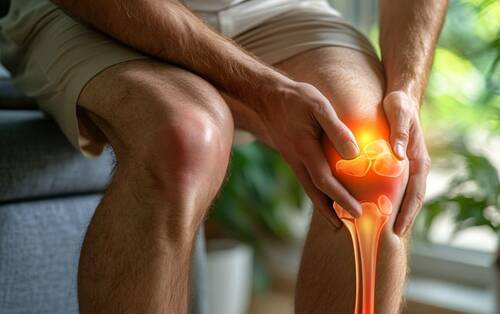
For a long time, the advice for chronic joint pain was always to pop some pills and, when they’re no longer effective, commit to a total joint replacement. But no one can deny that the idea of permanent metal hardware and months of rehab is often just as scary as the pain itself.
The medical scene in Chicago is changing. Instead of jumping straight to surgery, doctors are now using regenerative medicine to help the body heal itself. The rest of the world is on it too, with the global regenerative medicine market projected to skyrocket from USD $16 billion in 2023 to USD $49 billion by 2028.1
Stem Cell Therapy
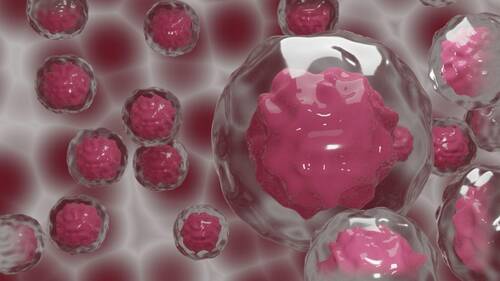
Stem cell therapy is a key part of what practitioners of regenerative medicine in Chicago offer. It taps into your body’s own repair kit to fix damage from the inside out, using mesenchymal stem cells (MSCs) that the body utilizes to create specialized tissue. When these cells are concentrated and guided into a stiff or painful joint, they signal the body to quiet down chronic inflammation and start the process of tissue repair.
This is a total game-changer for the many people across the Chicago area dealing with osteoarthritis. A 2025 review and meta-analysis in Frontiers in Cell and Developmental Biology found that MSC therapy significantly lowered pain levels, with patients seeing the best results around two years after treatment.2 The results of this method depend heavily on the quality of care you receive, so consulting reputable providers specializing in these advanced biologics is essential. when considering stem cell therapy for knee pain, for instance, it’s importsn to consult reputable providers specializing in these advanced biologics.
 Platelet-Rich Plasma (PRP) Therapy
The standard advice for a nagging injury used to be simply to rest and ice it and hope for the best — an approach that often left people sidelined for months. Platelet-rich plasma (PRP) therapy is changing that.
The process starts with a small draw of your own blood, which is then concentrated through centrifugation to create a mixture with two to five times the normal amount of healing platelets found in regular blood. This concentration is then injected directly back into the injury site to jumpstart healing.3 Because the treatment uses your own biological material, it carries a very low risk of adverse reaction — helping people skip the need for heavy medications or more invasive procedures.
Regenerative Medicine for Sports Injuries
Chicago is an active city, and being sidelined is one of its residents’ worst nightmares — especially for competitive athletes, for whom forced downtime can feel worse than the injury itself. Regenerative medicine is transforming that narrative.
Chronic issues like jumper’s knee (patellar tendonitis) or severe ankle sprains are being treated with ultrasound-guided PRP injections. For a torn meniscus, modern orthobiologics are now used to stabilize the joint environment, reducing cartilage degradation and potentially delaying or preventing more invasive surgical interventions. For high-grade muscle strains common in sprinters and soccer players, cellular therapies help athletes regain explosive power without the buildup of restrictive scar tissue. A sports injury no longer has to permanently change your lifestyle — with the right treatments, it can be only a temporary setback.
Patients Now Have More Say
Before, a diagnosis would often lead straight to a surgical recommendation with very little discussion. One of the key advantages of regenerative medicine is that patients have much more control over their treatment plans. You become an active advocate for your own recovery, working side by side with your chosen practitioner. How you feel and how you move are critical considerations, and the focus is on non-surgical options that respect your need to avoid heavy risks and long recovery times — including risks associated with general anesthesia and permanent structural changes from invasive surgery.
Your treatment is built around your specific goals, whether you’re training to return to professional sports or simply want to enjoy walking again without pain. The plan is tailored to fit your requirements and preferences.
Conclusion
Regenerative medicine is redefining pain management. Surgery doesn’t have to be your only path forward. Consulting a regenerative medicine specialist in Chicago for biologic treatments can help you regain mobility and start living a pain-free life once again.
References
- Regenerative Medicine Market Worth $49.0 Billion — MarketsandMarkets™
- Mesenchymal stem cell-based therapy for osteoarthritis: a systematic review and meta-analysis of clinical outcomes and functional recovery. Frontiers in Cell and Developmental Biology, 2025.
- Platelet-Rich Plasma (PRP): Molecular Mechanisms, Actions and Clinical Applications in Human Body. PMC.
Disclaimer: The information on MedicalResearch.com is provided for educational purposes only, and is in no way intended to diagnose, cure, or treat any medical or other condition. Some links are sponsored. Products, services and providers are not warranted or endorsed by MedicalResearch.com or Eminent Domains Inc. Always seek the advice of your physician or other qualified health and ask your doctor any questions you may have regarding a medical condition. In addition to all other limitations and disclaimers in this agreement, service provider and its third party providers disclaim any liability or loss in connection
Last Updated on April 27, 2026 by Marie Benz MD FAAD