
12 May How Lab Layout Can Quietly Shape Research Results
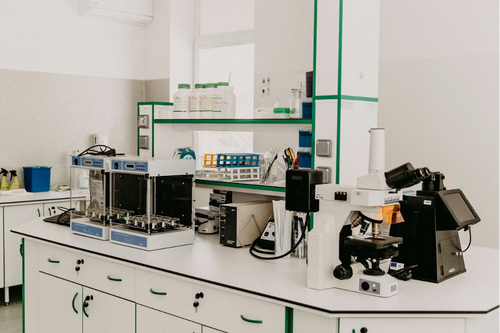
In medical research, we often talk about methods, sample size, statistics, and equipment. These things matter a lot. However, there is also an aspect of quality in research that is often overlooked, namely the physical configuration of the laboratory itself. The placement of instruments, traffic flow through different workstations, separation between clean and active zones, and amount of mess adjacent to the workspace could all have an impact on the ultimate outcome.
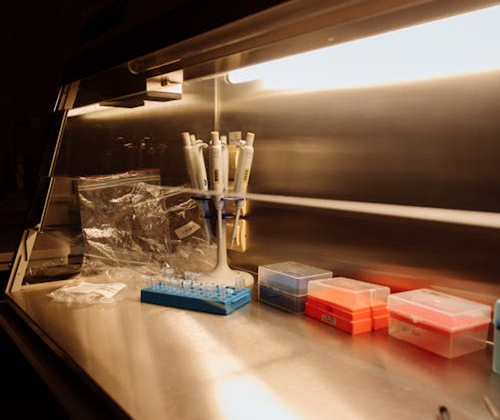
It is particularly true in case of cell cultures, microbiology, and clinical samples, which are highly sensitive to slight variations in handling procedures. That is why many labs treat equipment planning as part of the research protocol itself, including the choice of a top tier biosafety cabinet from a brand such as Top Air Systems when the work requires controlled airflow and biological protection. The point is simple: research quality starts before the first sample is opened.
Why Layout Matters in Daily Lab Work
A lab can have strong protocols and still struggle if the room is arranged poorly. If researchers must cross the room too often, reach over open materials, share crowded benches, or move waste through clean zones, mistakes become easier. These kinds of mistakes may seem minor, but their consequences may pile up after some time.
Take cell culture for example; here, consistency is very important, considering that cells have a high sensitivity to different variables such as temperature, contamination, handling, and timing. One scientist would perform the experiment effortlessly in a wide space, while the other one would be doing everything under pressure. As a result, their outcomes might vary despite using identical methods outlined in protocols.
That is why reproducibility has become one of the main themes of medical research. Sometimes the issue is not the idea behind the study. Sometimes the problem is the environment where the work happens. A workflow that looks normal during a busy day may create hidden variation that later appears in the data.
Good lab layout helps reduce these differences. It supports predictable movement, cleaner work habits, and fewer interruptions during sensitive steps.
The Clean Path and the Dirty Path
One practical way to think about lab design is to separate the “clean path” from the “dirty path.” The clean path includes sterile supplies, fresh media, unopened tubes, clean pipette tips, and prepared work surfaces. The dirty path includes used tips, opened plates, contaminated waste, gloves after sample contact, and materials leaving the work area.
When these paths cross too often, contamination risk rises. A researcher may carry waste past sterile supplies. Someone may place a used rack near a clean bottle. A gloved hand may touch a cabinet sash, a notebook, a phone, and then return to sample handling. These are ordinary movements, yet they create opportunities for transfer.
A better layout makes the correct action feel natural. Clean items are placed where the work begins. Waste is placed where the work ends. Shared tools have defined homes. Extra boxes and bottles stay outside the main work area unless they are needed for that protocol.
A simple workflow can look like this:
- Prepare clean supplies before starting
- Place only required materials in the cabinet
- Work from clean items toward used items
- Keep waste on one side of the workspace
- Avoid crossing hands over open samples
- Clean surfaces before and after the task
- Remove finished materials in a planned order
This sounds basic, but it is the kind of basic that keeps a lab reliable.
Clutter Is More Than a Comfort Issue
Many labs become crowded slowly. A spare bottle stays on the bench. Then a box of gloves appears. Then old labels, racks, markers, tip boxes, and half-used reagents gather near the work area. Nobody plans for clutter, but it becomes part of the space.
The problem is that clutter changes behavior. Researchers start working around objects instead of working through a clean process. They reach farther, move faster, stack items, and place samples wherever there is room. Inside a biosafety cabinet, this can also affect airflow. Too many objects can block grilles or create turbulence around the work surface.
Clutter reduces the effectiveness of cleaning because a surface which looks clean might still contain uncleaned regions behind bottles, trays, and wires. In research involving biological material, this matters because contamination can persist in places people stop noticing.
A useful rule is to review the workspace before each project begins. If an item does not support the current task, it should be moved away. This is not about making the lab look perfect. It is about removing unnecessary decisions during sensitive work.
When a researcher handles cells, clinical specimens, or microorganisms, attention should stay on the sample and the protocol. A clean layout protects that attention.
Training People to Move With Purpose
Lab training often focuses on what to do. Add this reagent. Incubate for this long. Use this disinfectant. Record this measurement. Those details are important, but researchers also need to learn how to move.
Movement inside a cabinet should be calm and deliberate. Arms should not move in and out repeatedly without reason. Supplies should be arranged before the procedure begins. Open containers should spend as little time exposed as possible. Disposal activities must be conducted without interrupting the rest of the processes.
Such an approach in teaching would be very beneficial to new researchers. Many beginners think good technique means knowing the steps. With experience, they learn that timing, hand position, spacing, and preparation also matter.
Senior staff can help by making invisible habits visible. Instead of saying “be careful,” they can explain why they place tubes in a certain order, why they wait after placing items inside the cabinet, why they avoid blocking airflow, and why they stop to reorganize before continuing.
Good habits spread when people understand the reason behind them.
Better Layout Means Better Confidence
Medical research depends on trust in the process. When a study produces a result, the team needs confidence that the finding came from biology, treatment response, or disease behavior, rather than from avoidable handling differences. Careful lab layout supports that confidence.
It also protects time. Contaminated cultures, repeated assays, unclear deviations, and inconsistent results can delay projects for weeks. In clinical research, some samples are limited and cannot simply be replaced. Losing them because of poor workflow is frustrating and sometimes costly.
This is why physical space should be part of study planning. Some examples of relevant questions that should be considered in advance before implementing a new project could be listed as follows: the way the necessary materials for the cleaning procedure will enter the room; ways for waste disposal, the place where manipulations should be performed, who will be located in the room, and what kinds of equipment will be used.
Such simple measures may result in a good outcome: proper arrangement of waste collection in the area close to the end of the processing line, elimination of unnecessary items, setting up separate zones, avoiding excessive movement around sensitive procedures, and application of certified equipment.
A well-arranged lab does not guarantee perfect research. Nothing does. Yet it gives researchers a stronger starting point. It makes good technique easier, reduces avoidable variation, and helps every sample move through the process with more care. In medical research, that quiet discipline can make the difference between data that raises questions and data the team can trust.
Disclaimer: The information on MedicalResearch.com is provided for educational purposes only, and is in no way intended to diagnose, cure, or treat any medical or other condition. Some links are sponsored. Products, services and providers are not warranted or endorsed by MedicalResearch.com or Eminent Domains Inc. Always seek the advice of your physician or other qualified health and ask your doctor any questions you may have regarding a medical condition. In addition to all other limitations and disclaimers in this agreement, service provider and its third party providers disclaim any liability or loss in connection with the content provided on this website.
Last Updated on May 12, 2026 by Marie Benz MD FAAD