
10 Jul What Are the Common Signs of Hip Dysplasia in Dogs? A Simple Checklist
Hip dysplasia is one of the most common orthopedic conditions in dogs, especially in large and giant breeds. It develops when the hip joint does not fit together properly, causing instability that gradually leads to pain, inflammation, and osteoarthritis. Because the condition often progresses slowly, many owners mistake the early symptoms for normal aging or temporary soreness.
The good news is that recognizing the warning signs early can lead to faster diagnosis and more effective treatment. Whether your dog is a growing puppy or an active adult, paying attention to changes in movement and behavior can make a significant difference in their long-term comfort and mobility. Here are five of the most common signs every pet owner should watch for.
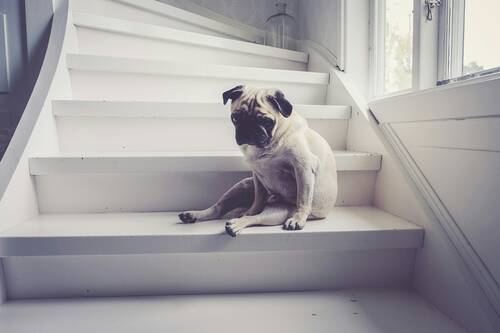
Photo by Karin Hiselius on Unsplash
1. Stiffness and Difficulty Getting Up After Rest
One of the earliest signs of hip dysplasia is stiffness after your dog has been lying down or sleeping. Instead of standing up immediately, they may hesitate, stretch repeatedly, or appear uncomfortable during the first few steps before gradually loosening up.
Although occasional stiffness can happen after vigorous exercise, it should not become a regular pattern. Younger dogs that consistently appear stiff after resting deserve particular attention, as this may indicate an underlying joint problem rather than simple fatigue.
If you notice stiffness occurring several days a week, it is worth discussing with your veterinarian before the condition progresses.
2. Changes in Movement and Reluctance to Stay Active
Dogs naturally try to avoid activities that cause pain. As hip discomfort increases, you may notice your dog becoming less enthusiastic about walks, games, or outdoor adventures they once enjoyed.
Common behavioral changes include walking shorter distances before stopping, losing interest in playing fetch or chasing toys, running with a “bunny hop” where both back legs move together, and slowing down on hills or uneven terrain.
This change in activity level is often gradual, making it easy to overlook. Comparing your dog’s current energy level with their normal routine over the past several months can help identify subtle differences.
3. Trouble Climbing Stairs, Jumping, or Getting Into the Car
As hip dysplasia progresses, movements that require pushing with the hind legs become increasingly difficult. You may notice your dog pausing before climbing stairs, refusing to jump onto furniture, or hesitating before getting into the car.
These activities place additional stress on the hip joints, so dogs with discomfort often avoid them whenever possible. Some may even look toward you for assistance or search for an easier route instead of attempting the movement on their own.
Learning to recognize the signs of hip dysplasia in dogs early can help pet owners seek veterinary care before the condition progresses. Just as nutritional support plays a role in joint health across species, animal nutrition and preventive care are increasingly recognized as important tools in managing musculoskeletal conditions.
4. Muscle Loss and Pain Around the Hips
Dogs living with chronic hip pain gradually rely less on their hind legs, causing the muscles around the thighs and hips to weaken over time. At the same time, the shoulders and front legs may appear stronger because they compensate for the reduced use of the back legs.
You may also notice your dog reacting when you gently touch their hips or lower back. Flinching, pulling away, or turning to look at the affected area may indicate discomfort.
According to the American Kennel Club, reduced muscle mass in the hindquarters, decreased range of motion, and pain during hip examination are among the common clinical findings associated with hip dysplasia.
5. An Unsteady or Swaying Walk
Hip instability often changes the way a dog walks. Instead of moving smoothly, the hindquarters may sway from side to side, and the back legs may appear less coordinated than the front legs.
Some dogs develop a noticeable wobble, while others simply shift more weight onto their front legs to reduce pressure on their hips. Watching your dog walk away from you on a flat surface often makes these changes easier to spot. Hip dysplasia commonly causes joint laxity that can eventually lead to osteoarthritis, making early recognition and veterinary evaluation especially important.
What Should You Do if You Notice These Signs?
Keep track of when the symptoms occur, whether they become worse after exercise, and how long they last. If possible, record short videos showing changes in your dog’s movement, especially when climbing stairs or running. These observations can help your veterinarian evaluate the condition more accurately.
Hip dysplasia is a manageable condition when identified early. Depending on its severity, treatment may include weight management, physical therapy, joint supplements, pain relief medications, structured exercise, or surgery. Early intervention often improves comfort, slows disease progression, and helps dogs maintain an active lifestyle for years to come.
Final Thoughts
Dogs cannot explain when they are in pain, which makes careful observation one of the most valuable tools a pet owner has. Stiffness after rest, changes in activity, difficulty with everyday movements, muscle loss, and an unsteady gait are all signs that deserve attention. Recognizing these symptoms early and seeking veterinary advice can make a meaningful difference in your dog’s mobility, comfort, and overall quality of life.
Disclaimer: The information on MedicalResearch.com is provided for educational purposes only, and is in no way intended to diagnose, cure, or treat any medical or other condition. Some links are sponsored. Products, services and providers are not warranted or endorsed by MedicalResearch.com or Eminent Domains Inc. Always seek the advice of your physician or veterinarian or other qualified health provider and ask any questions you may have regarding a medical or veterinary condition. In addition to all other limitations and disclaimers in this agreement, service provider and its third party providers disclaim any liability or loss in connection with the content provided on this website.
Last Updated on July 10, 2026 by Marie Benz MD FAAD