

22 Jul The Science Behind Composite Bonding and Tooth Preservation
Modern dentistry increasingly emphasizes preserving as much of the natural tooth structure as possible while restoring both function and appearance. Advances in dental materials and adhesive technologies have made minimally invasive treatments an important part of contemporary clinical practice. Among these, composite bonding has become a widely used restorative technique because it allows dentists to repair and enhance teeth while conserving healthy enamel. This patient-centered approach reflects a broader shift toward preventive and conservative dentistry, where long-term oral health is a primary objective.
The science behind conservative composite restorations shares principles with biomimetic dentistry more broadly — explored in this overview of the benefits of biomimetic dentistry and its emphasis on preserving natural tooth structure.
Why Tooth Preservation Matters
Every natural tooth contains unique structures that contribute to its strength, function, and longevity. Once healthy enamel is removed, it cannot regenerate naturally, making preservation an important principle in restorative dentistry. According to the American Dental Association, dental bonding is one of the least invasive cosmetic dental procedures available, making it well suited for patients who want to improve their smile while minimising structural loss.
Modern treatment planning focuses on maintaining as much healthy tooth tissue as possible while addressing damage, wear, or aesthetic concerns. Conservative procedures often help reduce unnecessary intervention and support better long-term oral health outcomes.
The Science of Composite Bonding
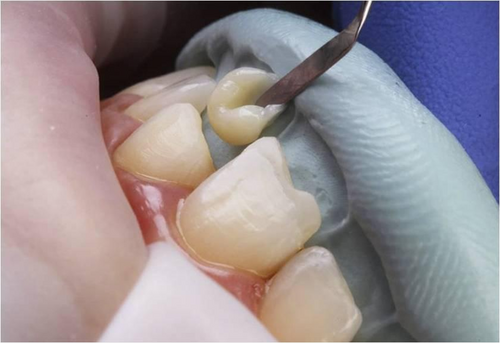
Composite bonding uses tooth-colored resin materials that chemically bond to the surface of the tooth through advanced adhesive systems. This strong bond allows dentists to rebuild chipped, worn, or uneven teeth with minimal preparation compared to more extensive restorative procedures.
Patients researching composite bonding London treatments often discover that this technique is valued for its ability to improve the appearance of teeth while preserving healthy enamel. The versatility of modern composite materials enables dentists to carefully match the color, shape, and texture of natural teeth for highly aesthetic results.
Advances in Dental Materials
Dental biomaterials have advanced significantly over the past several decades. Modern composite resins offer improved durability, polish retention, color stability, and wear resistance compared with earlier generations of restorative materials. These improvements allow clinicians to provide restorations that are both functional and aesthetically pleasing while maintaining a minimally invasive treatment philosophy. Continued research into adhesive technologies is further enhancing the longevity and performance of composite restorations.
Supporting Long-Term Oral Health
Successful restorative dentistry extends beyond cosmetic improvements. Preserving healthy tooth structure helps maintain natural strength and may reduce the need for more extensive restorative procedures in the future. For individuals considering composite bonding London options, treatment planning typically involves evaluating oral health, bite function, and long-term maintenance requirements. Regular dental examinations, good oral hygiene, and preventive care all contribute to the longevity of bonded restorations and overall dental health.
The Future of Conservative Restorative Dentistry
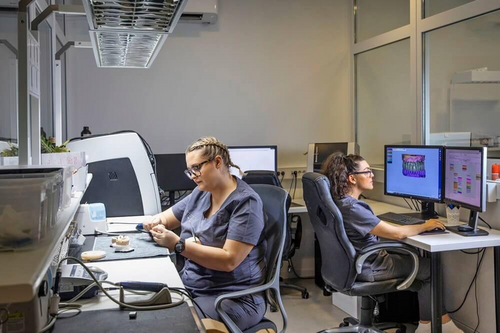
Research in restorative dentistry continues to focus on improving both patient outcomes and material performance. Developments in adhesive chemistry, nanotechnology, digital smile design, and biomimetic dentistry are expanding the possibilities for conservative treatment approaches. As these innovations continue to evolve, composite bonding is expected to remain an important part of minimally invasive dental care. By combining advanced materials with evidence-based clinical techniques, dentists can preserve more natural tooth structure while delivering durable, functional, and aesthetically pleasing results that support long-term oral health.
Disclaimer: The information on MedicalResearch.com is provided for educational purposes only, and is in no way intended to diagnose, cure, or treat any medical or other condition. Some links are sponsored. Products, services and providers are not warranted or endorsed by MedicalResearch.com or Eminent Domains Inc. Always seek the advice of your physician or other qualified health provider and ask your doctor any questions you may have regarding a medical condition. In addition to all other limitations and disclaimers in this agreement, service provider and its third party providers disclaim any liability or loss in connection with the content provided on this website.
Last Updated on July 22, 2026 by Marie Benz MD FAAD