
26 May Best Hybrid Mattresses for Different Chronic Pain Conditions
Living with chronic pain affects more than just your daytime activities. When pain follows you into bed, quality sleep becomes nearly impossible. The mattress you choose plays a surprisingly powerful role in how well you sleep and how much discomfort you experience throughout the night.
It is frustrating to toss and turn all night, waking up more sore than when you went to bed. The good news? The right mattress can genuinely make a difference. Let’s walk you through the options that work best for different pain conditions so you can sleep easier and wake up feeling better.
Understanding Why Your Mattress Matters for Pain Relief
Before we dive into specific options, let’s talk about why mattress choice matters so much. When you’re dealing with chronic pain, your body needs extra support and comfort during those long hours of sleep. A mattress that doesn’t match your needs can actually make your pain worse by placing pressure on sensitive areas or forcing your spine into poor alignment.
The right mattress does three important things. First, it supports your spine in its natural alignment. Second, it relieves pressure on painful joints and muscles. Third, it keeps you cool and comfortable so you’re not fidgeting all night long. Now let’s look at five mattress options that deliver on all three fronts.
According to the Sleep Foundation, chronic pain is one of the leading causes of sleep disruption, and choosing the right sleep surface can meaningfully reduce nighttime discomfort and improve overall sleep quality.
Top Mattress Options for Different Chronic Pain Conditions
1. Endy Mattress
Who It Works For: Back sleepers, combination sleepers, and anyone needing moderate to firm support
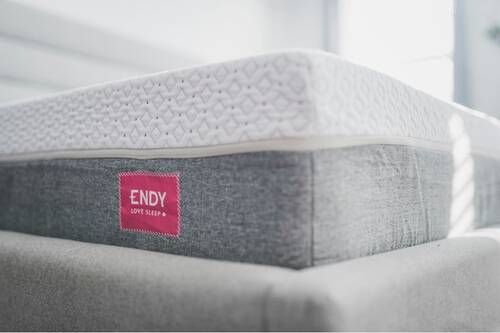
If you’re looking for a mattress that gives you flexibility, the Endy Mattress stands out because it offers three firmness levels in one design. This means you get to choose exactly what your body needs, whether that’s firm, medium-firm, or plush support.
The real benefit here is the layering system. The mattress includes cooling gel foam that keeps you from overheating, pressure-relief foam that cradles painful areas, and a high-density support base that keeps your spine properly aligned all night long. Many people dealing with shoulder and neck pain find that the medium-firm option provides just enough cushioning without letting them sink too much into the mattress.
One significant advantage is the extended trial period. You get 365 nights to test it out, which means you’re not stuck if it doesn’t work for your particular pain pattern. The mattress is also Canadian-made, which appeals to people who care about product sourcing and quality standards.
Best For: Back pain, shoulder pain, combination sleepers who move around throughout the night
2. Tempur-Pedic
Who It Works For: Side sleepers, people with multiple pain points, those who need pressure-point relief
Tempur-Pedic mattresses use memory foam that responds to your body heat and weight. This means the mattress actually molds to your unique shape, rather than forcing you into a generic sleeping position.
If you have shoulder pain from side sleeping, the memory foam gently supports your shoulder while keeping pressure off sensitive points. The hybrid construction (combining foam with coils) also means better airflow than pure foam, so you won’t wake up drenched in sweat.
The trade-off is price. You’ll spend significantly more for a Tempur-Pedic than other options. However, many people with severe pain find the investment worthwhile because the customized support reduces their nighttime discomfort substantially.
Best For: Shoulder pain, hip pain, side sleepers, people with multiple tender points
3. Casper
Who It Works For: Hot sleepers, anyone whose pain worsens with overheating, light sleepers
Casper mattresses prioritize one thing above all else: keeping you cool. They use a combination of gel foam and open-cell construction that allows air to flow through the mattress constantly.
If your chronic pain includes heat-related flare-ups, this matters tremendously. When you overheat, your body stays tense and inflamed. Keeping cool helps muscles relax and reduces pain perception. Casper’s design specifically addresses this issue.
The mattress offers medium-firm support that works reasonably well for most pain types, though it’s not quite as customizable as some alternatives. The company also offers a 100-night trial, giving you time to adjust to the sleep surface.
Best For: Hot sleepers with pain, anyone whose pain worsens at night due to heat, back and side sleepers
4. Purple
Who It Works For: Couples where one partner has chronic pain, hot sleepers, people who need maximum comfort
Purple uses a unique gel-flex grid on the top layer that does something interesting: it allows air to pass through while still providing pressure relief. Think of it like a honeycomb structure that breathes while supporting you.
The real strength of Purple is motion isolation. If you sleep with a partner, their movements don’t transfer across the mattress to your side. This means you’re less likely to be jolted awake by their tossing and turning, allowing for deeper, more restorative sleep.
The downside is that Purple mattresses tend to sleep hot despite the cooling technology, which seems counterintuitive. Some users also report the gel grid feels slightly unusual at first, though most adapt quickly.
Best For: Couples, light sleepers disturbed by partner movement, people needing pain-free nights without interruption
5. Helix
Who It Works For: Back pain specifically, budget-conscious buyers, side sleepers
Helix offers spine-aligned technology specifically designed to support proper spinal alignment. The mattress has embedded coils in the support layer that provide zoned support, meaning your lower back gets firmer support than your shoulders.
This targeted approach works well if you have specific pain in one area, particularly lower back pain. The mattress is also reasonably priced compared to luxury brands, making quality support more accessible.
The trade-off is that Helix is less customizable than something like Endy. You get essentially one firmness level (medium-firm), which works for many but not all body types.
Best For: Lower back pain, side sleepers, anyone seeking good support at a reasonable price point
Making Your Selection: Key Factors to Consider
When choosing between these options, ask yourself a few important questions. First, what’s your primary sleep position? Side sleepers need different support than back sleepers. Second, do you sleep hot? If yes, cooling technology becomes more important than pure softness. Third, do you have one main pain point or multiple areas of discomfort?
Also consider whether you share a bed. If you do, motion isolation matters more than if you sleep alone. Finally, think about your budget and timeline. Premium options like Tempur-Pedic cost more, while Helix offers good value for people with specific lower back concerns.
For more on how chronic pain affects sleep quality and overall health, see MedicalResearch.com’s pain research coverage.
The Trial Period Advantage
One feature to emphasize: most quality mattress companies now offer extended trial periods. This is huge for anyone with chronic pain because what feels comfortable in a showroom might not work after sleeping on it for two weeks. Take advantage of these trials. Give yourself at least 30 nights to adjust to a new mattress before deciding if it’s right for you. Your body needs time to adapt to a different sleep surface.
Creating Your Ideal Sleep Environment
Beyond the mattress itself, remember that a few other factors matter for pain management during sleep. Use a pillow that supports your neck in proper alignment. Keep your bedroom cool, around 65 to 68 degrees Fahrenheit. Consider a mattress protector that’s breathable so you don’t trap heat underneath you.
If you sleep on your side, a pillow between your knees reduces strain on your lower back. These small adjustments, combined with the right mattress, create a pain-friendly sleep environment that supports healing and restful nights.
Frequently Asked Questions
Q: How long does it usually take to adjust to a new mattress?
A: Most people need between two to four weeks to fully adjust to a new mattress. Your body is used to your old sleep surface, so a new one will feel different at first. Stick with it for at least 30 days before deciding it’s not working for you.
Q: Is a firm mattress always better for back pain?
A: Not necessarily. Some people with back pain actually sleep better on medium-firm or even plush surfaces. The key is finding a mattress that supports your spine’s natural curve while also providing enough cushioning to relieve pressure on your hips and shoulders.
Q: Should I buy the most expensive mattress available?
A: Price doesn’t always equal better pain relief. A mid-range mattress with proper support often works just as well as a luxury option. Focus on features that address your specific pain concerns rather than the brand name or price tag.
Q: Can a mattress actually reduce chronic pain, or just make sleep more comfortable?
A: A good mattress won’t cure chronic pain, but it can significantly reduce nighttime discomfort and improve sleep quality. Better sleep actually helps your body manage pain more effectively, creates less inflammation, and supports healing. So while the mattress isn’t a cure, its impact on your overall pain management can be meaningful.
Final Thoughts
Choosing a mattress when you’re dealing with chronic pain is more than just finding somewhere comfortable to lie down. It’s an investment in nights without pain flare-ups, mornings without stiffness, and sleep that actually restores your body.
Take your time with this decision. Test different options if possible. Focus on how you feel after sleeping, not just how the mattress feels initially. Your pain management journey happens at night, and the right mattress can be a powerful tool in that journey.
Remember, you deserve sleep that doesn’t hurt. Whether you choose Endy or another option, prioritize features that address your specific pain needs. Your body will thank you for it.
Disclaimer: The information on MedicalResearch.com is provided for educational purposes only, and is in no way intended to diagnose, cure, or treat any medical or other condition. Some links are sponsored. Products, services and providers are not warranted or endorsed by MedicalResearch.com or Eminent Domains Inc. Always seek the advice of your physician or other qualified health and ask your doctor any questions you may have regarding a medical condition. In addition to all other limitations and disclaimers in this agreement, service provider and its third party providers disclaim any liability or loss in connection with the content provided on this website.
Last Updated on May 26, 2026 by Marie Benz MD FAAD