
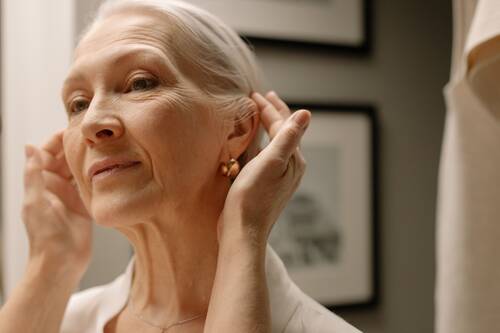
06 Aug Beyond the Big Reveal: The Unspoken Realities of Facelift Recovery
Most of the focus on facial rejuvenation is on the final result. You see the polished before-and-after photos, but the critical journey between those two points is often glossed over. This period — the recovery — is where the success of the procedure is truly cemented. It is a time of healing that requires patience, preparation, and a clear understanding of what to expect.
The decision to have a facelift is significant. Understanding the day-by-day process is key to managing both your physical comfort and your emotional state. A detailed recovering from a facelift can provide a foundational timeline, but the experience itself is unique to each person. Knowing the milestones helps you navigate the swelling, bruising, and temporary changes with confidence.
Quick answer: Successful facelift recovery is a phased process that typically takes several weeks. The first 7 to 14 days are the most intensive, involving swelling, bruising, and limited activity. Following your surgeon’s specific aftercare instructions is the single most important factor in achieving your desired outcome and minimizing complications.
What’s inside:
- What does the first week of recovery really feel like?
- How can I best prepare my home for a smooth recovery?
- When can I expect to see the final results?
- What are the signs of a potential complication?
- How do I choose the right post-operative support?
- Frequently Asked Questions About Facelift Healing
What Are the Real Risks of a Poorly Managed Recovery?
A poorly managed recovery can compromise the surgical results, increase the risk of complications, and significantly prolong the time it takes to see the final outcome. While serious issues are uncommon, your actions in the first few weeks are directly linked to the quality of your result. Protecting your surgical investment means prioritizing a structured and careful healing process.
The primary risk involves putting tension on your incision lines. Activities that raise your blood pressure — like bending over, lifting heavy objects, or exercising too soon — can lead to bleeding. This can cause a hematoma, a collection of blood under the skin that creates pressure, pain, and swelling. A significant hematoma is one of the more common reasons for a surgeon to intervene post-operatively. Following activity restrictions is not just about comfort; it is a direct measure to prevent this complication.
Similarly, improper care can affect the aesthetic outcome. Straining the sutures can lead to wider, more visible scars. Ignoring instructions about sun exposure can cause hyperpigmentation, making scars darker and more noticeable. Even prolonged or excessive swelling — sometimes caused by too much salt in your diet or too much activity — can stretch the healing tissues and impact the final, refined contours your surgeon worked to create.
Your primary job in the first week is not to “heal faster.” It is to create the ideal conditions for your body to do its work. This means focusing on rest, nutrition, and following instructions — not on actively trying to speed up a natural process.
How Do I Evaluate a Surgeon’s Qualifications?
The most reliable way to evaluate a surgeon is to verify their credentials, assess their specific experience with facial procedures, and gauge the quality of their patient support systems. Start with board certification. The critical credential for this type of procedure is certification by the American Board of Plastic Surgery (ABPS) — the only board recognized by the American Board of Medical Specialties for the full spectrum of plastic and reconstructive surgery. Some highly qualified surgeons may also be certified by the American Board of Facial Plastic and Reconstructive Surgery (ABFPRS). Verifying this status independently is a non-negotiable first step.
Next, probe for specific experience. Ask how many facelifts the surgeon performs in a typical month, what percentage of their practice is dedicated to facial rejuvenation, and whether you can see before-and-after photos of patients with a similar facial structure and age to your own. Critically, ask to see photos of results that are several years old — seeing how a surgeon’s work holds up after five or ten years provides powerful insight into the longevity and quality of their technique.
The consultation is not just for you to be evaluated; it is for you to conduct an interview. Pay close attention to whether the surgeon listens to your goals, explains the limitations of the procedure, and presents a customized plan. A surgeon who offers a single, one-size-fits-all technique may not be the right choice.
| Area of Evaluation | Key Questions to Ask | What to Look For |
|---|---|---|
| Credentials | “Are you board-certified by the American Board of Plastic Surgery?” | Direct confirmation; verify independently online. |
| Experience | “How many facelifts like the one you propose for me do you perform annually?” | A confident, specific number that indicates a focus in this area. |
| Surgical Plan | “What specific technique do you recommend for my anatomy and why?” | A clear explanation that connects your goals to a specific surgical method. |
| Safety & Support | “Where will surgery be performed?” “What is your protocol for after-hours concerns?” | An accredited surgical facility; a clear, direct process for post-op support. |
How Does High Altitude Impact the Healing Process?
Recovering at a high altitude introduces specific physiological challenges. The environment in cities like Denver can affect hydration, oxygenation, and swelling, making a proactive approach to recovery even more critical. The most significant factor is the lower partial pressure of oxygen — at higher elevations, you take in fewer oxygen molecules with each breath, and your body works harder to oxygenate tissues. This is a vital component of wound healing. According to the Centers for Disease Control and Prevention, the body must work harder to get the oxygen it needs at altitudes above 8,000 feet, and effects can be felt at lower elevations as well.
Dehydration is another serious consideration. The air at high altitudes is typically very dry, which increases the rate of water loss from your body through respiration. Proper hydration is essential for healthy circulation, which delivers nutrients and oxygen to healing tissues and carries away waste products. You will need to be far more diligent about fluid intake than at sea level.
Many patients focus on the surgical details but underestimate the impact of the environment. At altitude, you must consciously manage hydration and rest in a way you might not at sea level to give your body the resources it needs to heal optimally.
If you are in a high-altitude location, arriving two or three days early can give your body time to begin acclimatizing. Discuss a specific hydration plan with your surgeon, often involving electrolyte-rich fluids, not just plain water.
Frequently Asked Questions About Facelift Recovery
What is the worst day of recovery after a facelift?
For many people, the second or third day post-surgery feels the most challenging. This is typically when the initial anesthetic and long-acting numbing agents have worn off, and swelling and bruising reach their peak. It is important to view this as a normal, temporary phase of the healing process, not as a sign that something is wrong.
How long does it take to look normal after a facelift?
You can usually expect to feel “socially presentable” within two to three weeks. However, subtle swelling and firmness can persist for several months. The final, fully settled result typically takes six months to a year to become apparent.
What happens 10 years after a facelift?
A well-executed facelift does not stop the aging process, but it resets the clock. Ten years later, you will still look more refreshed than you would have without the surgery. The longevity of your results depends on the surgical technique used, your genetics, sun exposure, and overall lifestyle.
Is it normal for my face to feel numb after surgery?
Yes, temporary numbness, especially around the ears and cheeks, is a very common and expected part of recovery. Sensation typically returns gradually over several weeks to months as the small sensory nerves heal and regenerate.
How does facelift recovery compare to other cosmetic procedures?
Because the healing is visible on your face, there is no way to hide it. This requires a level of emotional preparedness for the temporary bruising and swelling that is distinct from recovering from procedures on the body.
The Final Word on Your Recovery Journey
The path to a successful facelift result is not a passive one. Choosing a surgeon is not about finding a technician; it is about selecting a professional to guide you through a months-long process. Your evaluation of their credentials, specific experience, and long-term results is the single most important factor in managing risk and setting the stage for a positive outcome. Once the surgery is complete, the responsibility shifts — following aftercare instructions with precision, managing environmental factors like altitude, and giving your body the rest it requires are the essential inputs that allow tissues to heal correctly. Patience is your most valuable tool during this time.
About the Author: Dr. Manish H. Shah, MD, FACS, is a board-certified plastic surgeon based in Denver, Colorado, recognized by Newsweek as one of America’s Best Facelift Plastic Surgeons of 2024. At his practice, Shah Aesthetic Surgery, he specializes in advanced facial rejuvenation procedures, including the deep plane facelift, with experience from over 4,000 facelift and neck lift surgeries. He also serves as a surgical educator for the University of Colorado School of Medicine Division of Plastic Surgery.
Disclaimer: The information on MedicalResearch.com is provided for educational purposes only, and is in no way intended to diagnose, cure, or treat any medical or other condition. Some links are sponsored. Products, services and providers are not warranted or endorsed by MedicalResearch.com or Eminent Domains Inc. Always seek the advice of your physician or other qualified health provider and ask your doctor any questions you may have regarding a medical condition. In addition to all other limitations and disclaimers in this agreement, service provider and its third party providers disclaim any liability or loss in connection with the content provided on this website.
Last Updated on August 6, 2026 by Marie Benz MD FAAD