Author Interviews, Medical Devices / 26.01.2026

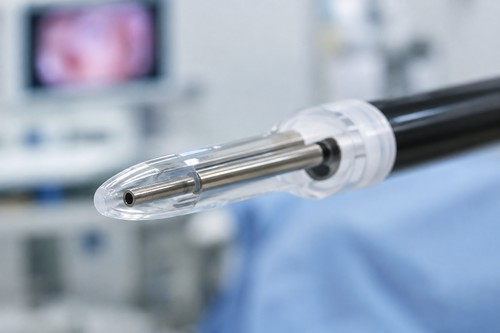
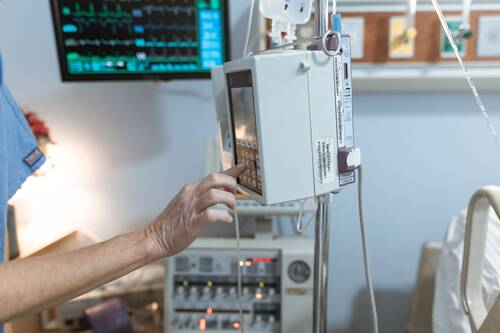
[caption id="attachment_72144" align="aligncenter" width="500"]medical-device-design.jpg Photo by National Cancer Institute on Unsplash[/caption] Medical innovation often focuses on breakthrough technology, new materials, and advanced diagnostics. While these elements matter, the design of medical devices plays an equally critical role in how safely and effectively those innovations are used. From handheld diagnostic tools to large clinical systems, design decisions influence usability, error rates, and patient trust in ways that extend beyond technical performance. Medical device design exists at the intersection of engineering, clinical workflow, and human behavior. When done well, it supports clinicians in delivering care while reducing unnecessary risks. When overlooked, it can introduce confusion, misuse, or unintended harm. As healthcare systems grow more complex, the importance of thoughtful, human-centered design continues to increase.

Patient Safety Begins Long Before Clinical Use

Patient safety is often discussed in terms of protocols, training, and regulatory compliance. However, many safety outcomes are determined long before a device reaches a hospital or clinic. Design choices made during early development stages affect how devices are handled, interpreted, and trusted in real-world settings. For example, poorly designed interfaces can increase the likelihood of user error, even among experienced clinicians. Ambiguous labeling, confusing controls, or non-intuitive layouts can slow response times or lead to misinterpretation. In high-pressure environments such as emergency departments or operating rooms, even small design inefficiencies can have serious consequences. By prioritizing clarity and usability during design, manufacturers can reduce the cognitive load placed on healthcare professionals and improve consistency in patient care.
Author Interviews, Medical Devices / 23.10.2025

[caption id="attachment_71083" align="aligncenter" width="500"]freepx-oxygen-tanks Freepx image[/caption] When the 2010 Haiti earthquake trapped thousands under collapsed buildings, medical teams faced a critical bottleneck. Oxygen cylinders ran out faster than supply chains could replenish them. The survivors who made it to field hospitals often needed immediate respiratory support, but the equipment designed to deliver it was in short supply. This wasn't just a logistics problem. It exposed how dependent emergency medicine is on a single manufacturing process that most medical professionals never think about. Impact extrusion makes the seamless aluminum cylinders that hold medical oxygen. Without this process, portable oxygen therapy wouldn't exist in its current form. The method produces containers that can handle 2,000 to 3,000 psi without seams, welds, or weak points. In disaster zones where cylinders get dropped, thrown into transport vehicles, or exposed to temperature extremes, that structural integrity becomes the difference between functional equipment and dangerous failures.

The Manufacturing Process Behind Seamless Strength

Understanding how does impact extrusion work starts with a simple setup. A hydraulic press forces a metal slug against a hardened steel die at extreme pressure. The metal doesn't get cut or molded in the traditional sense. Instead, it flows backward around the punch, forming a hollow cylinder in a single stroke. The entire process takes seconds. The force involved is substantial. Presses generate between 400 and 4,000 tons of pressure depending on cylinder size. The aluminum slug, usually a thick disk weighing a few pounds, gets placed in the die cavity. When the punch strikes, the metal has nowhere to go except up the sides of the die. It forms walls that are uniform in thickness, without joints or seams that could become failure points under pressure. Temperature matters here. Cold impact extrusion works the metal at room temperature, which work-hardens the aluminum and increases its strength. The grain structure aligns along the cylinder walls, creating a material that resists cracking better than welded alternatives. For medical oxygen cylinders, this means the container itself becomes more reliable as it's formed, not weaker. The process creates structural advantages that become critical when equipment faces the chaos of emergency deployments.
Laboratories, Medical Devices / 09.08.2025

[caption id="attachment_70232" align="aligncenter" width="500"]maintaining-medical-equipment Photo by CDC[/caption] Introduction Medical equipment forms the backbone of diagnosis, treatment, and care in healthcare facilities. Safe, well-maintained devices protect both patients and medical staff from harm while enhancing clinical effectiveness. Whether in hospitals, private practices, or clinics, establishing robust safety and maintenance protocols is a non-negotiable standard. For healthcare providers seeking to ensure reliability and compliance, partnering with trusted industry leaders like Medinat can provide access to quality equipment and expert advice. With an ever-changing regulatory landscape and constant innovation, preventive care and well-documented processes are more vital than ever to avoid costly breakdowns and safeguard patient well-being. This guide details essential steps and the latest best practices for medical equipment safety and maintenance, serving as a resource for healthcare administrators, biomedical engineers, and clinical staff.