
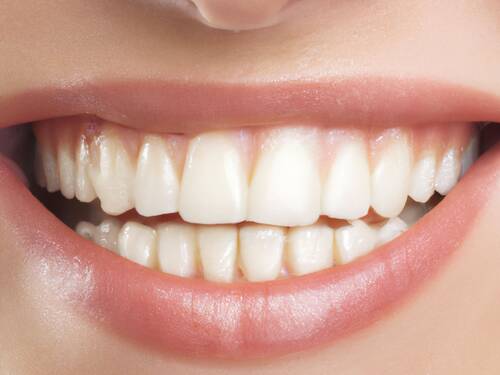
19 Aug Cosmetic Dentistry Options for Adults: What is Right for You?
Cosmetic dentistry gets talked about like it is one single treatment, but it is really a full menu of options designed for completely different problems. A fix that works great for surface stains will not do anything for a chipped front tooth. In the same way, reshaping an uneven gum line takes a totally different approach than fixing teeth worn down from years of grinding. Finding the right fit comes down to matching your specific goal with the right treatment, rather than just choosing whatever happens to be popular right now.
This guide breaks down the main cosmetic options available today, how long each one actually lasts, how to figure out what fits your situation, a few common myths worth clearing up, and the right questions to ask before you commit to anything permanent. According to the American Dental Association, cosmetic dental procedures range from simple bleaching to complex restorative work, and outcomes depend heavily on matching the right treatment to the patient’s specific clinical situation.
What Counts as Cosmetic Dentistry?
Cosmetic dentistry includes any procedure designed to improve how your teeth, gums, or bite look when you smile. While the main focus is usually on appearance, many of these options also protect your teeth and help your mouth stay healthy over time.
Here is a quick look at the main options under the cosmetic dentistry umbrella:
- Teeth Whitening: A non-invasive way to brighten surface stains and yellowing.
- Dental Bonding: Quick, localized repairs using tooth-colored resin for small chips and gaps.
- Dental Veneers: Thin, custom covers placed over the front of teeth for bigger cosmetic and shape changes.
- Gum Contouring: Reshaping the gum line to balance your smile and show more of your natural teeth.
- Clear Aligners: Transparent, removable trays that straighten crowded or spaced teeth over time.
1. Dental Veneers (Porcelain and Composite)
Veneers are thin, custom-made shells bonded to the front of your teeth to cover up noticeable cosmetic or structural issues.
- Porcelain Veneers: Ceramic shells made in a dental lab or made in-office with special mapping technology. They resist stains extremely well, last a long time, and reflect light just like natural tooth enamel.
- Composite Veneers: Built directly onto your teeth using layers of resin in a single visit. They cost less upfront and require less enamel removal, but they generally do not last as long as porcelain.
2. Professional Teeth Whitening
Professional whitening uses stronger bleaching gels than over-the-counter kits to break up stubborn stains deep within the tooth structure.
- In-Office Whitening: Uses high-strength bleaching gel applied right in the dental chair, often giving you noticeable results in about an hour.
- Custom Take-Home Trays: Uses custom-fitted plastic trays loaded with professional gel that you wear at home over a couple of weeks for a gradual, controlled result.
3. Dental Bonding
Dental bonding uses a tooth-colored resin material applied directly to your tooth to fix minor flaws quickly. Your dentist shapes the resin to match your natural tooth, hardens it with a special light, and polishes it so it blends right in. It works best for small chips, minor gaps, or slightly uneven tooth edges.
4. Gum Contouring (Gingivectomy and Crown Lengthening)
Gum contouring reshapes the soft tissue around your teeth to create a more even, balanced frame. If your gums cover up too much of your teeth or look uneven when you smile, a dentist uses a laser or gentle surgical tools to trim away excess tissue. This reveals more of your natural tooth and evens out your gum line.
5. Clear Aligner Orthodontics
Clear aligners are transparent, plastic trays designed to gently straighten misaligned teeth without metal braces. You wear a series of custom trays that slowly nudge crowded, crooked, or spaced teeth into better positions. Because they are clear and removable, they fit easily into daily life.
How Long Does Each Option Hold Up?
Longevity varies quite a bit depending on the treatment you choose and how well you take care of your teeth afterward. Lower upfront costs usually come with shorter lifespans and more regular maintenance, while bigger investments tend to last much longer with simple daily care.
Cosmetic Dentistry Comparison Table
The table below breaks down realistic lifespans, main cost factors, and what to keep in mind regarding reversibility for each option.
| Treatment Option | Typical Lifespan | Main Cost Driver | Main Factors That Shorten Lifespan | Reversibility |
|---|---|---|---|---|
| Professional Whitening | 6 to 12 Months | How often you need touch-ups | Dark drinks (coffee, wine), smoking, skipped touch-ups | Fully reversible |
| Composite Bonding | 3 to 7 Years | Size of the area being repaired | Biting hard objects, teeth grinding, staining over time | Reversible or easily refreshed |
| Porcelain Veneers | 10 to 20+ Years | Lab work and number of teeth involved | Nighttime teeth grinding, accidents, using teeth as tools | Permanent (enamel is prepared) |
| Gum Contouring | Permanent (once healed) | Technology used (laser vs. standard tools) | Untreated gum disease, significant weight or health shifts | Permanent |
| Clear Aligners | Lifetime (with retainers) | How long and complex treatment is | Skipping retainers, natural tooth movement over time | Reversible if teeth shift back |
Understanding the Trade-offs Between Cost and Durability
Finding the right balance comes down to weighing immediate costs against long-term maintenance.
- Lowest Cost, Highest Upkeep (Teeth Whitening): Very low barrier to entry and leaves your natural tooth structure untouched, but you will need periodic touch-ups to keep your teeth bright.
- Moderate Cost, Moderate Upkeep (Composite Bonding): Great for quick, localized fixes in one appointment, but the resin can chip or pick up stains over a few years.
- Higher Initial Cost, Low Upkeep (Porcelain Veneers): Requires a bigger investment up front and slight enamel trimming, but offers decades of strong, stain-resistant performance.
How Do You Decide What Fits Your Situation?
The best place to start is with the actual issue you want to fix, rather than picking a procedure you saw online.
Here is a straightforward guide linking common concerns to the fixes that usually work best:
- Yellowing or Surface Stains: Professional Whitening (Lightens color without changing tooth shape).
- Small Chipped Edge or Minor Gap: Composite Bonding (Adds material right where you need it).
- Deep Stains, Structural Gaps, or Worn Teeth: Porcelain or Composite Veneers (Covers the full front surface).
- Uneven Gum Line or “Gummy” Smile: Laser Gum Contouring (Reshapes soft tissue to show more tooth).
- Crooked, Overlapped, or Shifted Teeth: Clear Aligners (Gently moves teeth into better positions).
Problem 1: Yellowing, Surface Stains, and General Dullness
This shows up as overall darkening or yellowing across teeth that are otherwise healthy and shaped fine.
- Common Causes: Coffee, tea, red wine, tobacco, or just getting older as enamel naturally thins over time.
- Recommended Treatment: Professional In-Office or Take-Home Whitening.
- Why It Works: Bleaching gels lift organic stains out of enamel pores without changing the shape or health of your teeth.
Problem 2: Single Chipped Edge, Small Gaps, or Minor Shape Issues
This applies when you have a small, localized flaw on one or two teeth while the rest of your smile looks fine.
- Common Causes: Accidental bumps, uneven wear, or natural small spaces between teeth.
- Recommended Treatment: Dental Bonding.
- Why It Works: Resin bonding adds material only where it is missing, making it a quick repair that preserves all your natural tooth structure around it.
Problem 3: Deep Discoloration, Worn Enamel, and Structural Shape Issues
This involves deeper color issues or physical wear across several visible teeth that whitening cannot fix.
- Common Causes: Fluoride exposure in childhood, past medication stains, acid wear, or severe nighttime grinding.
- Recommended Treatment: Porcelain Veneers or Restorative Crowns.
- Why It Works: Deep internal stains do not respond to bleaching gels. Veneers mask those dark spots completely while rebuilding lost tooth shape and strength. Getting a full evaluation from a practice that offers cosmetic dentistry in West Houston ensures your dentist catches these underlying concerns before you commit to a specific treatment plan.
Problem 4: Teeth Look Excessively Short or “Gummy”
This happens when your gum tissue sits lower on your teeth than usual, making your teeth appear shorter than they really are.
- Common Causes: Natural genetic traits, extra gum tissue development, or uneven tissue growth.
- Recommended Treatment: Laser Gum Contouring.
- Why It Works: Removing a small amount of extra gum tissue evens out the border around your teeth and reveals the natural enamel hidden underneath.
Should a Dentist or a Med-Spa Handle This?
Whitening services have popped up outside traditional dental practices in places like med-spas, salons, and mall kiosks. While surface whitening in those settings might seem convenient, a licensed dental office provides essential health checks that non-dental settings simply cannot offer.
- Complete Health Checks: Dentists check X-rays to catch hidden cavities before applying whitening gels, avoiding severe pain or nerve irritation.
- Checking Your Bite: Dentists evaluate how your teeth fit together so bonded repairs or veneers do not snap off under normal chewing pressure.
- Gum Health Screenings: Dentists treat active gum inflammation first, making sure your mouth is healthy before doing any cosmetic work.
- Professional Strength Materials: Dental practices use regulated, high-strength whitening gels alongside custom shields to protect your sensitive gums.
For patients looking for careful evaluation, experienced teams like the one at Roman Dental start every cosmetic consultation with an in-depth review of your teeth, bite, and health history before suggesting any treatments.
Common Myths That Get in the Way
A few common misunderstandings often lead people toward the wrong option or make them put off helpful care entirely.
- Myth: “Cosmetic dentistry is purely for vanity.”
Fact: Many options protect damaged enamel, fix uneven bites, and make teeth easier to keep clean. - Myth: “Teeth whitening works the same on all stains.”
Fact: Whitening gels only lift surface stains. Deep internal discoloration needs coverage like bonding or veneers. - Myth: “Veneers mean shaving your teeth down to tiny pegs.”
Fact: Modern methods preserve as much natural tooth as possible, usually removing less than a millimeter of enamel. - Myth: “Once cosmetic work is done, you never have to worry about it again.”
Fact: All dental restorations need routine brushing, flossing, regular checkups, and protection against night grinding.
Myth 1: “Cosmetic Dentistry Is Purely for Vanity”
A lot of cosmetic treatments double as practical fixes for your oral health. Bonding seals up small chips so food and bacteria cannot settle in and cause cavities. Gum contouring can eliminate tight pockets where bacteria hide. Veneers rebuild thin or worn enamel, protecting your teeth from further erosion and cracking.
Myth 2: “Teeth Whitening Works the Same on All Stains”
Whitening gels work well on surface stains from food, drinks, and age. They cannot lighten deep internal discoloration caused by past injuries, medications, or root canals. Those internal stains need opaque materials like bonding or veneers to cover them up.
Myth 3: “Veneers Mean Shaving Your Teeth Down to Tiny Pegs”
Modern ceramic materials are strong enough to be made extremely thin, requiring minimal tooth preparation. Dentists usually remove less than a millimeter of enamel from the front surface. In some cases, minimal-prep veneers can be applied with almost no enamel removal at all.
Myth 4: “Once Cosmetic Work Is Done, You Never Have to Worry About It Again”
No restoration lasts forever without consistent care at home. Resins, ceramics, and reshaped gum tissues still depend on good oral hygiene. Skipping routine brushing, flossing, or checkups will shorten the life of your cosmetic work significantly.
What to Ask Before You Commit to Anything
Having an honest conversation during your consultation helps you feel confident about your decision and avoids unexpected surprises down the line. Here is a simple checklist of topics to cover with your dentist before starting treatment:
- Whether the treatment is permanent or fully reversible later.
- What daily home care and protective equipment you will need.
- What the policy is for touch-ups, repairs, or fixes if something chips.
- Why this specific option fits your bite and tooth shape better than other choices.
“How permanent is this, and what will replacing it look like years from now?”
It helps to know upfront if a procedure permanently alters your natural enamel. Knowing what future upkeep or eventual replacement looks like helps you plan ahead comfortably.
“What daily maintenance, food restrictions, or night guards will I need?”
Keeping your smile in great shape might mean switching to a non-abrasive toothpaste, being mindful of hard foods, or wearing a night guard. Asking early helps you build those simple habits into your routine.
“If a restoration chips or breaks early, what is your policy for fixing it?”
A trusted practice will be completely transparent about their policies for adjustments, repairs, or replacements if something does not hold up as expected.
“Is this recommendation tailored to my specific bite, or is it just a standard recommendation?”
Your treatment plan should take your unique tooth shape, health history, and biting habits into account. Avoid generic, one-size-fits-all recommendations that ignore how your teeth actually fit together.
Post-Treatment Care: Protecting Your New Smile
Taking care of your teeth after treatment keeps your restorations looking great and helps them last as long as possible.
| Care Category | Target Procedure | Practical Home Care Protocol |
|---|---|---|
| Stain Control | Whitening & Bonding | Avoid dark drinks for two days; use a mild, non-abrasive toothpaste |
| Physical Protection | Veneers & Bonding | Wear a custom night guard; do not bite ice, hard candy, or packaging |
| Gum Care | Gum Contouring | Use alcohol-free mouthwash; floss gently around healing areas |
| Routine Care | All Procedures | Visit your dentist every 6 months for cleanings and quick checkups |
Protecting Whitening and Bonding Work
Enamel pores stay open and absorb colors more easily for about 48 hours after a whitening session. Try to avoid coffee, tea, red wine, and dark sauces during those first two days. When brushing bonded teeth, use a gentle, non-abrasive toothpaste so you do not dull the polished finish.
Taking Care of Porcelain Veneers
Porcelain holds up extremely well against normal chewing, but heavy twisting or biting forces can chip ceramic edges. Avoid using your front teeth to bite hard objects like ice, nuts, or plastic packaging. If you grind your teeth in your sleep, wearing a soft, custom night guard protects your investment completely.
Caring for Reshaped Gum Lines
Your gums need a little time and gentle care to settle in after contouring. Use alcohol-free mouthwash to keep the area clean without causing stinging. Brush gently and use soft floss around the gum line while the tissue heals over the first week or two.
Frequently Asked Questions
Does cosmetic dentistry cause permanent tooth sensitivity?
Most sensitivity after treatment is mild and temporary. Whitening can cause minor temperature sensitivity for a few days, but it fades quickly. Procedures like veneers might cause temporary mild sensitivity to hot or cold, which settles down once the final restorations are fully bonded.
Can I whiten my teeth if I already have fillings or crowns on my front teeth?
Whitening gels only work on natural enamel. They will not change the color of existing composite fillings, bonding, crowns, or veneers. If you want a brighter smile, whiten your natural teeth first, and then your dentist can match old restorations to your new shade.
Can I still get cosmetic dental work if I grind my teeth at night?
Grinding puts extra stress on natural teeth and dental work, but it does not mean you cannot get cosmetic treatments. Your dentist will check your bite, address severe wear, and fit you with a custom night guard to keep your new smile safe while you sleep.
How much natural tooth enamel gets removed for veneers?
Standard porcelain veneers usually require removing about 0.3 to 0.7 millimeters of enamel from the front of the tooth, which is about as thin as an eggshell. Minimal-prep options need even less removal, depending on your natural tooth position and goals.
Start with the Problem, Not the Procedure
Getting a great result always comes down to following the right steps in the right order. Start by figuring out what is actually bothering you, whether that is surface yellowing, a chipped edge, crooked spacing, or an uneven gum line. Once you know the core problem, pick the fix designed specifically for that issue rather than choosing whatever treatment is trending. By starting with a clear diagnosis, choosing a reliable provider, and keeping up with basic care at home, you can enjoy a bright, healthy smile that lasts for years to come.
For a broader overview of how minimally invasive cosmetic dentistry preserves natural tooth structure while achieving lasting results, see this MedicalResearch.com overview of minimally invasive cosmetic dentistry and how to preserve your natural smile.
Disclaimer: The information on MedicalResearch.com is provided for educational purposes only, and is in no way intended to diagnose, cure, or treat any medical or other condition. Some links are sponsored. Products, services and providers are not warranted or endorsed by MedicalResearch.com or Eminent Domains Inc. Always seek the advice of your physician or other qualified health provider and ask your doctor any questions you may have regarding a medical condition. In addition to all other limitations and disclaimers in this agreement, service provider and its third party providers disclaim any liability or loss in connection with the content provided on this website.
Last Updated on August 19, 2026 by Marie Benz MD FAAD