

#Aftercare Tag

Substance Use Notice: This post is for general information and is not a substitute for a medical assessment. Withdrawal from alcohol, benzodiazepines and some other drugs can be dangerous and should be medically supervised; do not travel while in withdrawal without medical advice. If you take methadone, buprenorphine or other prescribed medicines, confirm before travelling that you can continue them safely and legally at your destination. In Australia, call the National Alcohol and Other Drug Hotline on 1800 250 015 or Lifeline on 13 11 14. In the U.S., call the SAMHSA National Helpline at 1-800-662-4357 or call or text 988. In an emergency, call 000 (Australia) or 911 (U.S.). Treatment centres named in this post are not warranted or endorsed by MedicalResearch.com or Eminent Domains Inc.

Thinking about heading overseas for rehab? You're not alone. More people are considering residential rehab overseas as their best chance at lasting recovery, and it's easy to see why. A new country can mean a fresh start, distance from old triggers and no long waiting lists.

But here's the big question: does it work? Or is it just a pricey vacation with some therapy sessions attached? This article summarizes what the research says about overseas rehab: the positives, the negatives and the often unexpected.
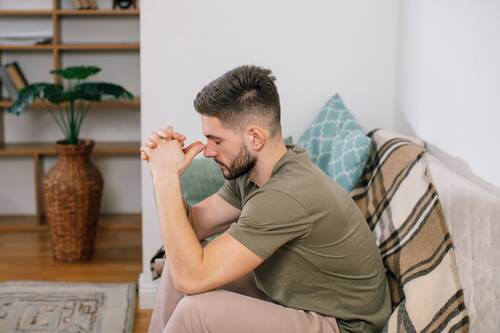
addiction-rehab-recovery.jpg

If you or someone you know is struggling with addiction or in crisis: Call or text the SAMHSA National Helpline at 1-800-662-4357 (free, confidential, 24/7) or call/text the 988 Suicide and Crisis Lifeline at 988. In an emergency, call 911.

What Really Happens in Addiction Treatment: Beyond Detox

Detox gets most of the attention. It is the part of recovery people picture first — the hard days, the physical withdrawal, the visible struggle. But detox is only the doorway. What happens afterward, in the weeks and months that follow, is where lasting change is actually built. Modern addiction treatment has moved far beyond clearing substances from the body. It now treats the whole person: the mind, the habits, the relationships, and the root causes that fed the addiction in the first place. Understanding what really happens inside treatment can replace fear with clarity. It can also help people make better choices when those choices matter most.

Detox Is the Beginning, Not the Cure

Detoxification is the medical process of clearing drugs or alcohol from the body. It is often supervised by clinicians who manage withdrawal symptoms and keep the patient safe. For some substances, withdrawal can be dangerous, which is why professional oversight matters so much.

Detox stabilizes the body. It does not, however, fix the reasons a person started using in the first place. Cravings, emotional triggers, and ingrained habits all remain once the substance is gone. That is the central misunderstanding about recovery. People assume detox is the finish line. In reality, it is the starting block. Treatment that ends at detox tends to end in relapse, because the underlying patterns were never addressed.\