
08 Jul The Impact of Precision Telehealth on Preventive Care and Healthy Ageing
Supplements, Peptide & Hormone Therapy Notice: The treatments, supplements, peptides, and hormone optimization therapies referenced in this article are not FDA monitored or approved for all uses described. These therapies should only be undertaken under the supervision of a qualified, licensed healthcare provider following a thorough clinical assessment. Dosing is variable and individualized; self-administration without medical oversight is not recommended. These therapies may interfere with existing medications and may be contraindicated in individuals with certain health conditions, including cardiovascular disease, hormone-sensitive cancers, liver conditions, or clotting disorders. Do not use hormone therapies or peptide compounds if you are pregnant, nursing, or may become pregnant. Keep all therapeutic compounds out of reach of children. Always consult your physician before beginning, modifying, or discontinuing any hormone, peptide, or supplement protocol.
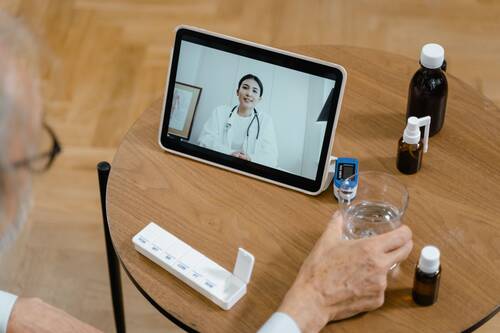
The pursuit of a longer life has dominated medical science for decades, but the conversation is rapidly shifting toward the quality of those additional years. Today, healthcare professionals are focusing on the distinction between lifespan and healthspan. As researchers evaluating proactive healthcare and telehealth innovations frequently explore, modern medicine is transitioning away from reactive symptom management. Instead, there is a strong global emphasis on early lifestyle interventions and increasing patient access to preventive medical assessments via virtual care.
This evolution in care delivery is also reshaping how aging populations engage with technology, a shift explored in detail in this overview of tech-smart aging for home, help and health.
