
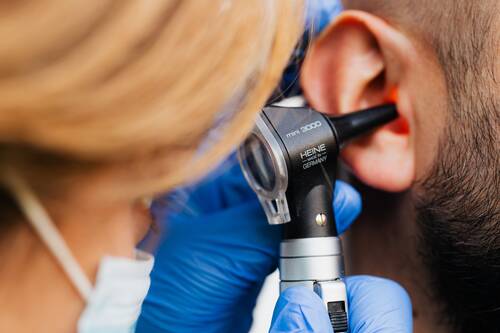
09 Nov Cerumen Impaction: What the Evidence Says About Causes, Risks and Removal
Ear Health Notice: This article is for general information only and is not medical advice. Do not insert cotton buds or other objects into the ear canal, and do not use ear candles. Do not use drops or irrigation at home if you have, or may have, a perforated eardrum, ear tubes (grommets), previous ear surgery, or ear pain or discharge. People with diabetes or a weakened immune system should see a clinician before trying home treatment. Seek prompt medical care for ear pain, discharge, bleeding, fever, dizziness, or sudden hearing loss. Sudden hearing loss in one ear should be assessed urgently.
Editorial Notice: Clinics and providers named or linked in this article are not warranted or endorsed by MedicalResearch.com or Eminent Domains Inc.
Ear wax is one of the most common reasons people visit a primary care clinic or audiologist, and one of the most misunderstood. It is routinely treated as dirt to be scrubbed away, when in physiological terms it is a protective secretion with a self-clearing mechanism that works well for most people most of the time.
Problems arise when that mechanism is disrupted or overwhelmed, producing impaction. This article summarises what is generally understood about cerumen, why impaction occurs, who is most at risk, and how the main removal methods compare, drawing on guidance published by otolaryngology and audiology bodies.