#austin Tag

Your doctor orders an MRI. You show up, lie still for a while, and leave. Then a few days later, your physician calls with results — but who actually read those images? It wasn't your doctor staring at scans in a back room. It was a radiologist, and the work they do is far more involved — and far more important — than most patients ever realize. Whether you're getting a routine X-ray or a complex brain scan in Austin, a radiologist is the medical expert quietly working behind the scenes to make sure your diagnosis is accurate.

Understanding the difference between imaging technologies is also useful for patients — explored in detail in this guide to MRI compared to a CT scan and what patients should know.

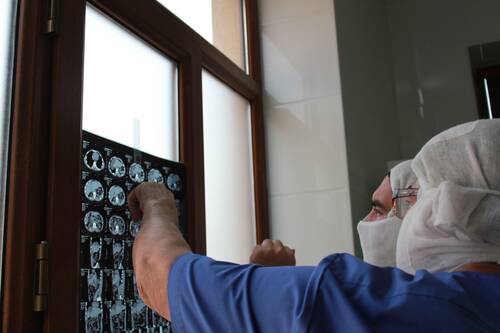
[caption id="attachment_74919" align="aligncenter" width="500"]what-does-a-radiologist-do Photo by Кайрат Сатдиков[/caption]

[caption id="attachment_73816" align="aligncenter" width="500"]residential-treatment-programs-austin.jpg Pexels[/caption] Editor's note: This piece discusses mental health issues. If you have experienced suicidal thoughts or have lost someone to suicide and want to seek help, you can contact the Crisis Text Line by texting "START" to 741-741 or call the Suicide Prevention Lifeline at 800-273-8255. Tension at home can leave parents and teen girls unsure how to move forward. In Austin, residential programs step in with structure, therapy, and clear expectations that guide both sides toward repair. These programs do more than address mental health or behavior — they help families reset how they relate to each other. Residential programs in Austin may help teen girls reconnect with parents by creating a safe space for therapy, clear communication, and shared accountability that rebuilds trust over time. Staff guides teen girls through daily routines, individual therapy, and family sessions that focus on honest dialogue. As a result, parents gain tools to respond with calm and consistency instead of fear or anger.