

#brainhealth Tag

Research interest in functional mushrooms

Supplement Notice: Functional mushroom products including mushroom coffee blends are dietary supplements and are not approved by the U.S. Food and Drug Administration to diagnose, treat, cure, or prevent any disease or medical condition. The scientific evidence for functional mushrooms remains preliminary. Individual responses vary. Always consult a qualified healthcare provider before beginning any new supplement regimen, particularly if you have existing medical conditions, are pregnant or nursing, or are taking prescription medications.

Functional mushrooms are attracting significant research attention for their potential cognitive and adaptogenic benefits. Mushroom coffee, featuring these ingredients, is now available to consumers through risk-free sampling programs. Understanding this growing scientific interest and the practical implications for trial use is essential for healthcare professionals and consumers alike, particularly as dietary supplement trends continue to evolve. There has been an upsurge in research and product innovation focused on functional mushrooms, such as Lion's Mane, Reishi, and Cordyceps. These mushrooms, often added to mushroom coffee blends, are featured in programs like MindBlend that enable consumers to sample products before making commitments. Researchers are increasingly studying not only the bioactive compounds within these mushrooms, but also how accessible sampling via risk-free trial initiatives might inform safe consumer adoption and responsible use in line with science-based recommendations. For clinicians counseling patients on functional mushroom supplements, understanding how sampling programs shape real-world use can support more practical guidance.
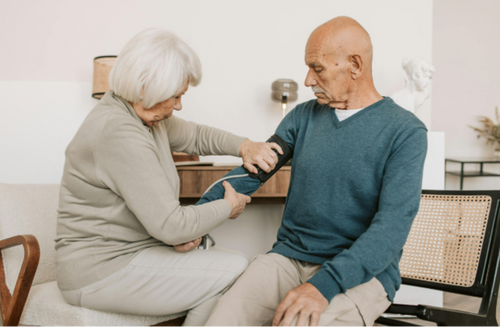

[caption id="attachment_74377" align="aligncenter" width="500"]life-after-stroke.png Image Source[/caption]

What Stroke Recovery Really Looks Like for Older Adults

For many older adults, a stroke marks the beginning of a new chapter filled with uncertainty. One day, routine activities such as walking around the house, preparing a meal, or chatting with family may feel effortless. The next day, those same tasks can require patience, support, and practice. While emergency treatment often receives the most attention, stroke recovery continues long after a person leaves the hospital.

Families frequently expect a clear timeline for improvement, but stroke recovery rarely follows a predictable path. Some older adults regain skills quickly, while others face ongoing challenges that affect movement, thinking, swallowing, or communication. Understanding what recovery truly looks like can help survivors and caregivers prepare for the road ahead and recognize progress when it happens.

MedicalResearch.com Interview with: [caption id="attachment_65442" align="alignleft" width="180"]Alberto J. Espay, MD, MSc, FAANProfessor of Neurology Director and Endowed Chair Gardner Family Center for Parkinson's disease and Movement Disorders University of Cincinnati Academic Health Center Prof. Espay[/caption] Alberto J. Espay, MD, MSc, FAAN Professor of Neurology Director and Endowed Chair Gardner Family Center for Parkinson's disease and Movement Disorders University of Cincinnati Academic Health Center MedicalResearch.com: What is the background for this study? What are the main findings Response:  Because aducanumab, lecanemab, and donanemab were only in a minority of anti-amyloid treatments showing a benefit, I was interested in finding out what makes them special. It turns out that they not only clean the brain from amyloid, like other monoclonal anti-Aβ antibodies, but they also increase Aβ42 in the spinal fluid, which is a measure of the normal protein in the brain. Everyone with Alzheimer’s has low Aβ42 levels because this protein clumps into amyloid plaques. I tested the hypothesis that increasing Aβ42 could explain the cognitive outcomes at least as well as decreasing amyloid, and that’s exactly what we found. This suggests that restoring the normal protein levels, Aβ42, may explain why some anti-amyloid treatments (presumably those that increased those levels the most) come with benefits.