caregiving Tag

Health Notice: This article is for general information only and is not medical, legal, or financial advice. A sudden change in someone's ability to manage daily tasks, new confusion, or repeated falls can signal a medical problem and should be checked by a doctor. In Alberta, a case manager can arrange an assessment to help determine the appropriate level of care.

Editorial Notice: This content is not specific medical advice. Residences and providers mentioned or linked in this article are not warranted or endorsed by MedicalResearch.com or Eminent Domains Inc.

Moving into a senior living community can bring a welcome change in routine, more opportunities to socialize, and fewer household responsibilities. But choosing a residence also means deciding how much day-to-day support you need and what kind of living arrangement will suit you in the years ahead.

For some older adults, a private apartment with housekeeping and social activities is all they need. Others benefit from regular help with bathing, dressing, medication management, or meals.

Health Notice: This article is for general information only. Decisions about memory care should involve your loved one's physician and care team, who can assess cognitive, medical and safety needs. Visit communities in person, confirm state licensing, and ask for written details on services, staffing and costs before deciding.

Editorial Notice: This list reflects the contributor's selection and is not a ranking or endorsement by MedicalResearch.com or Eminent Domains Inc. Products, services and providers are not warranted or endorsed by MedicalResearch.com or Eminent Domains Inc.

When a loved one is living with memory problems, finding the right memory care community becomes one of the most important decisions a family can make. Los Angeles offers several communities that combine specialized cognitive support with upscale amenities, personalized care plans, enriching activities, and comfortable living environments.

Many families researching memory care ask similar questions: What services are included? How do communities support cognitive wellness? What distinguishes luxury memory care from standard senior living? Exploring a variety of options can help families identify the setting that best aligns with their loved one's needs and preferences.

The United States is going through a major demographic shift as its population ages. According to U.S. Census Bureau projections, by 2034 there will be more Americans over 65 than under 18 for the first time in the nation's history. By 2054, the number of Americans aged 100 or older is expected to roughly quadruple.

Many older adults aren't looking to move into assisted living facilities. They want to stay in their own homes instead, a choice known as aging in place. This trend is creating a growing need for accessible, reliable and personalized home healthcare.

Please Note: This post was provided by a home care company and describes its own services. It is for general information only and is not medical advice. Providers named or linked in this post are not warranted or endorsed by MedicalResearch.com or Eminent Domains Inc. Older adults who have fallen, feel unsteady, or are worried about falling should talk with their doctor, who can review medications, vision, and other fall risks. Call 911 after a fall that causes a head injury, severe pain, or an inability to get up.

For many seniors, remaining in their own homes means maintaining independence, comfort, and regular routines. However, as health and mobility needs change, everyday activities become harder, making it more challenging to remain at home safely and independently.

In many cases, home care can make a world of difference by helping prevent illness and injury that may otherwise accelerate a move into a senior living community. At SYNERGY HomeCare, we provide a range of in-home care services to help seniors achieve this goal, including personal assistance, specialized care, hospital-to-home care, and fall and injury prevention home assessments. We believe comprehensive home care services are integral to maintaining independence, safety, and overall well-being in the following ways:

Safety Notice: This article offers general home-preparation tips and is not a substitute for the discharge instructions given by the patient's care team. Follow the care team's guidance on movement, bathing and wound care. If the person falls and is hurt, cannot get up, hits their head, or develops new confusion, chest pain or trouble breathing, call 911.

Your mom is due home from the hospital on Friday, and the discharge nurse has just mentioned that she'll need help with the toilet for a while. You picture the narrow bathroom at her house, the low seat and the towel rack she always grabs, and you're not sure where to start.

The bathroom is often the room where a homecoming needs changes, and it's also where rushed purchases go wrong. A short review, built around the discharge plan and the person's real routine, tells you what to fix before Friday and what can wait until you know more.

Editorial Notice: This post is for general information and is not specific medical advice. Eligibility for home-based care and insurance coverage, including Medicare's homebound requirements, depend on individual circumstances. In an emergency, call 911. Providers named or linked in this post are not warranted or endorsed by MedicalResearch.com or Eminent Domains Inc.

Navigating healthcare options for aging family members, people with chronic illnesses, or those with limited mobility can be challenging. Traditional medical visits can be taxing, from getting to the office to waiting to be seen.

For people who find it hard to leave their homes, getting regular professional medical care can be especially difficult. This is where alternative care options, such as home-based primary care, come into play.

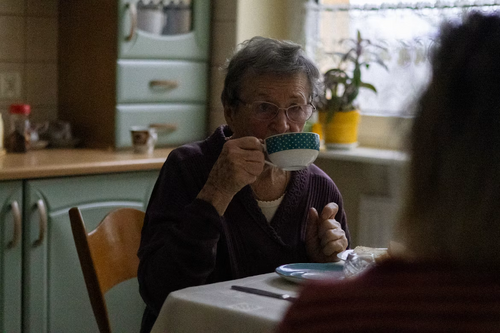
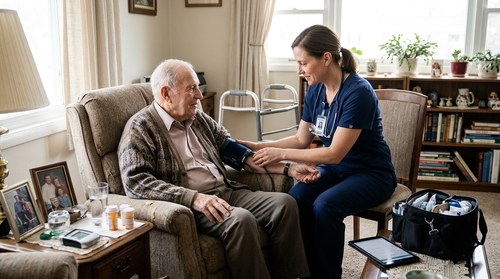
Daily life often shifts after surgery, illness, or gradual physical decline. Families may first notice skipped meals, late medications, or hesitation during bathing and dressing. Professional home support helps older adults remain in familiar surroundings while receiving steady, practical assistance. That arrangement protects comfort, preserves routine, and reduces strain during periods when strength, balance, memory, or stamina no longer support safe, independent living without extra help.

As the National Institute on Aging notes, remaining in familiar surroundings can meaningfully support older adults' wellbeing — and understanding what professional home care involves helps families make that choice with confidence. Emerging technologies are also expanding what's possible, as explored in this overview of tech-smart aging for home, help, and health. Remaining in familiar surroundings can meaningfully support older adults' wellbeing — and understanding what professional home care involves helps families make that choice with confidence. 

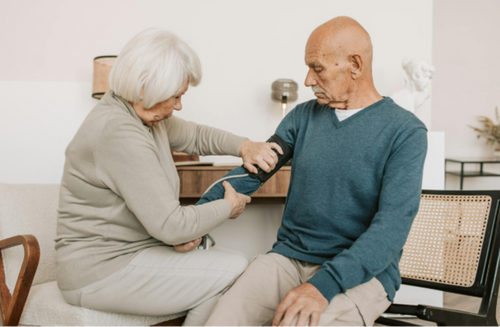
[caption id="attachment_74786" align="aligncenter" width="500"]Everyday Benefits of Professional Home CareEveryday Benefits of Professional Home Care Photo by Gustavo Fring[/caption]

What Stroke Recovery Really Looks Like for Older Adults

For many older adults, a stroke marks the beginning of a new chapter filled with uncertainty. One day, routine activities such as walking around the house, preparing a meal, or chatting with family may feel effortless. The next day, those same tasks can require patience, support, and practice. While emergency treatment often receives the most attention, stroke recovery continues long after a person leaves the hospital.

Families frequently expect a clear timeline for improvement, but stroke recovery rarely follows a predictable path. Some older adults regain skills quickly, while others face ongoing challenges that affect movement, thinking, swallowing, or communication. Understanding what recovery truly looks like can help survivors and caregivers prepare for the road ahead and recognize progress when it happens.

[caption id="attachment_74377" align="aligncenter" width="500"]life-after-stroke.png Image Source[/caption]

Patient Lift Safety Notice: Improper use of patient lifts can lead to falls and serious injury. Ask a physical or occupational therapist or other qualified professional to assess which lift and sling are appropriate, and make sure every caregiver is trained before using the equipment. Always follow the manufacturer's instructions and weight limits, and use two caregivers when the manufacturer or care plan calls for it. This content is not specific medical advice, and equipment suppliers mentioned or linked here are not warranted or endorsed by MedicalResearch.com or Eminent Domains Inc.

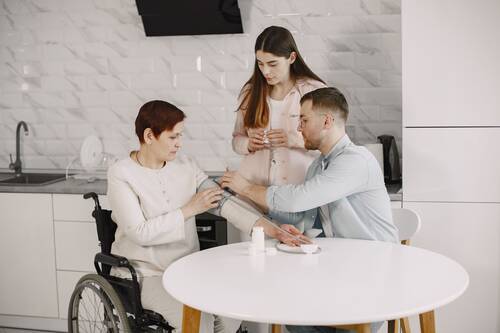
Mechanical patient lifts play an essential role in improving safety, comfort, and independence for people with limited mobility. Whether they're used in private homes, assisted living communities, rehabilitation centers, or hospitals, these devices reduce the physical strain of transfers while minimizing the risk of injury for both patients and caregivers. With several lift designs available, understanding the different types of mechanical lifts for patients makes it easier to choose the right solution for a person's mobility needs, level of support, and living environment. [caption id="attachment_76534" align="aligncenter" width="500"]mobility-lifts-pexels Pexels[/caption]

Adopt a flexible mindset and listen to your loved one’s doctors for suggestions. If they think that your loved one will thrive better in a skilled nursing facility, subacute care in congregate setting, or an inpatient rehabilitation unit, seriously consider their advice and weigh the potential benefits. ...

 Supporting a family member to age comfortably at home can range from regular check-ins at a parent's place to aiding a partner in daily tasks like bathing and cooking, along with managing medications and giving injections. No matter the extent of your assistance, the following suggestions can enable your loved one to stay at home comfortably for as long as possible.

Create a plan

Balancing immediate needs with future considerations is crucial. Managing day-to-day tasks alongside medical appointments and medication renewals is essential, all while considering potential challenges related to your loved one's health and age. While you can't predict everything, proactive planning allows for better emergency responses. Don't handle it solo; create a support network with family and friends.
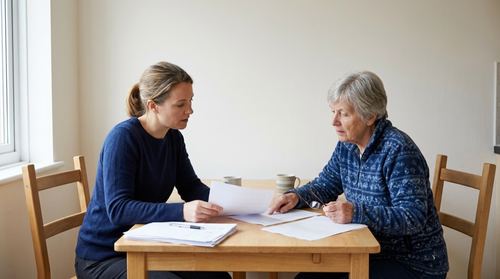
  • Identify responsibilities and reach agreement. Inquire about each team member's willingness to aid in the person's care. Even those at a distance can manage tasks like bill payments, medication orders, and arranging medical appointments. Collaborate on a strategy with them.
  • Assess your own capabilities honestly. Determine what tasks you're comfortable handling. If direct caregiving makes you uneasy, such as assisting with bathing, explore if another team member can take over or discuss the possibility of hiring professional help.
  • Document the plan comprehensively. Having a written plan ensures clarity among all team members, including the care recipient, thereby minimizing confusion. Keep in mind that the plan may need adjustments over time; update it accordingly.

MedicalResearch.com Interview with: Sonja Hilbrand MSc Department of Psychology University of Basel Basel, Switzerland. MedicalResearch.com: What is the background for this study? Response: Grandparenting is a topic of both great practical and theoretical interest. For instance, grandparents in industrialized societies invest substantial amounts of time and money in their grandchildren and there are many studies examining the potential benefits for these grandchildren. Other studies have focused on potentially negative effects on grandparental mortality associated with providing custudial care for grandchildren. In addition to previous research we wanted to ask whether there are tangible benefits to the donors (grandparents) of the resources. In other words, is caring a one-way street or not. In our study we examined whether moderate amounts of caregiving were associated with the longevity of older adults. For our analysis we used longitudinal data of over 500 German individuals aged between 70 and 103 years.