
28 May Massage Chairs for Stress Relief: Benefits, Features, and Buying Tips
Posted at 12:41h
in Stress
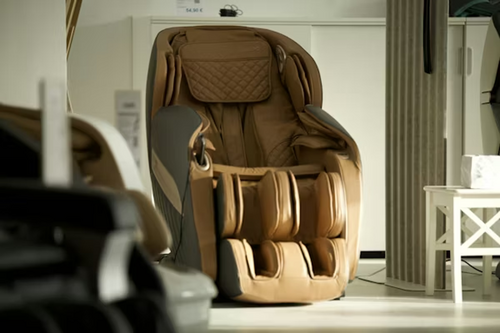
 Stress often builds in small, ordinary ways: a long commute, hours at a desk, poor sleep, or simply not having enough time to unwind. For many Australians, the idea of having a calming option at home is appealing, which is one reason home massage chairs have become more common.
But do they actually help with stress? And if you are considering one, how do you choose a chair that suits your body, your home, and your budget without getting caught up in marketing claims?
This guide explains what is known about massage chairs and stress relief, who should be cautious, which features matter most, and how to test a chair before you buy.
Medical disclaimer: This article is for general information only. It is not a substitute for professional medical advice. If you have a health condition or are unsure whether a massage chair is appropriate for you, speak with your clinician before using one.
Stress often builds in small, ordinary ways: a long commute, hours at a desk, poor sleep, or simply not having enough time to unwind. For many Australians, the idea of having a calming option at home is appealing, which is one reason home massage chairs have become more common.
But do they actually help with stress? And if you are considering one, how do you choose a chair that suits your body, your home, and your budget without getting caught up in marketing claims?
This guide explains what is known about massage chairs and stress relief, who should be cautious, which features matter most, and how to test a chair before you buy.
Medical disclaimer: This article is for general information only. It is not a substitute for professional medical advice. If you have a health condition or are unsure whether a massage chair is appropriate for you, speak with your clinician before using one.

