

16 Sep Cervical Lordosis: Symptoms, Causes, and Treatment
Notice: This post is provided for background information only. Consult your healthcare provider for specific medical advice regarding neck pain, spinal imaging findings, or treatment options.
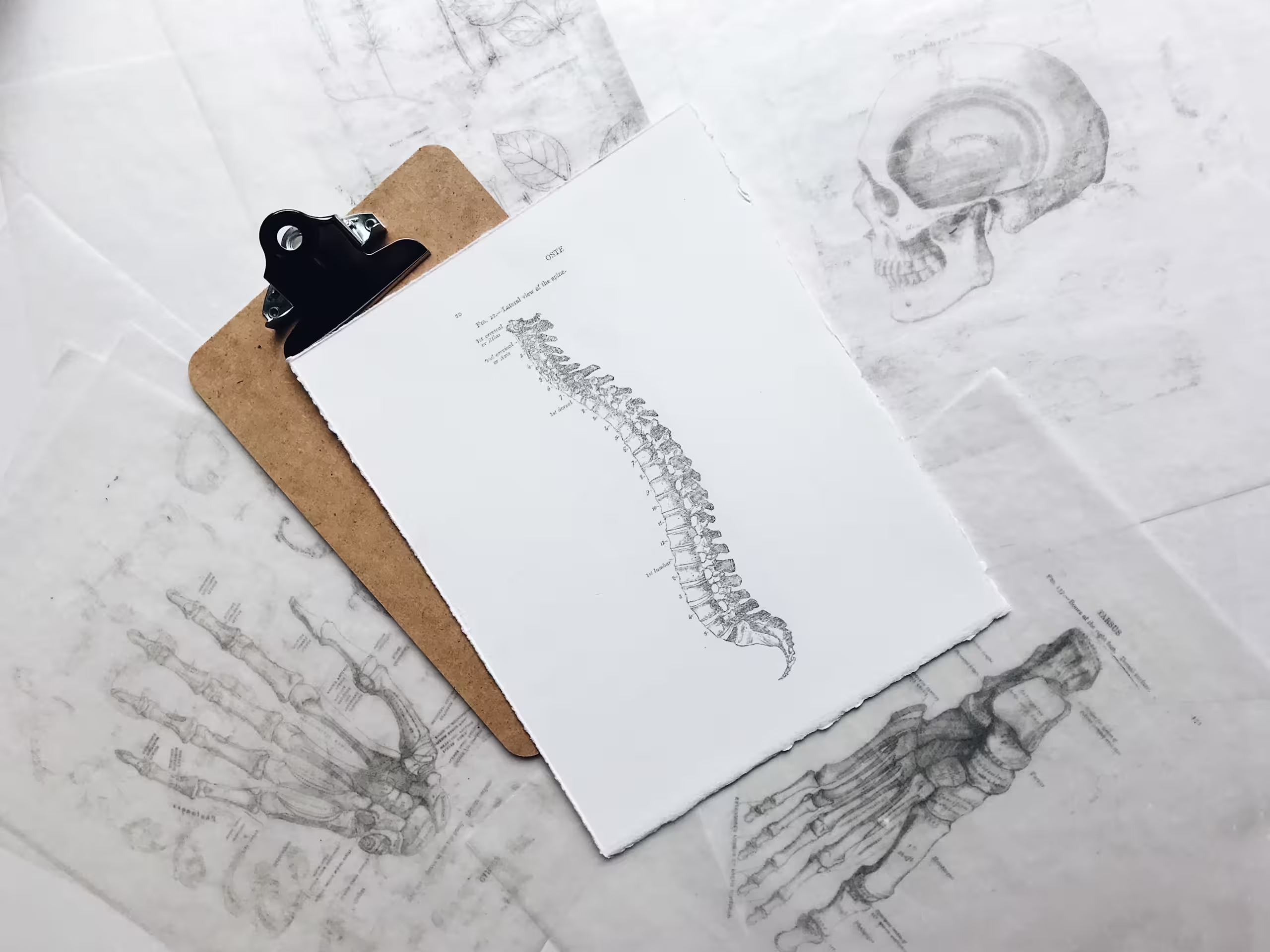
The cervical spine is the portion of the spine located in the neck. It consists of seven vertebrae that support the head and allow the neck to move in different directions. The cervical spine normally has a gentle inward curve, known as cervical lordosis. Changes in this natural curve can sometimes appear on an X-ray or other imaging study. Depending on the cause and severity, a change in spinal alignment may or may not cause symptoms. Understanding what cervical lordosis means, what can affect the curve, and how related symptoms may be evaluated can help people better understand their neck health. According to the NINDS (National Institute of Neurological Disorders and Stroke), neck pain is one of the most common musculoskeletal complaints, and imaging findings such as changes in cervical alignment should always be interpreted alongside a patient's symptoms and physical examination rather than in isolation.
[caption id="attachment_76032" align="aligncenter" width="500"] Pexels[/caption]


![We've all been there: staring at the ceiling at 3:00 AM, fluffing the pillows for the tenth time, and watching the clock tick closer to morning. In our fast-paced world, getting a full night of deep, restorative sleep can feel like a luxury. While most people reach for blackout curtains, sound machines, or herbal teas, they often overlook a major culprit behind poor sleep: physical misalignment and nervous system stress. If you are tired of waking up groggy, it might be time to look beyond your mattress. Exploring holistic wellness options and finding the best chiropractor near me can be the unexpected key to finally getting the rest your body craves. [IMAGE GOES HERE] The Hidden Connection Between Your Spine and Your Sleep It might seem strange to visit a chiropractor for a sleep issue, but your spine and your sleep quality are deeply connected through your central nervous system. Your spine houses the spinal cord, which acts as the highway for communication between your brain and the rest of your body. When your spine is misaligned, a condition known as a subluxation, it can irritate nearby nerves and keep your body in a constant state of low-grade stress. This physical tension makes it incredibly difficult for your body to transition into the parasympathetic "rest and digest" state necessary for deep sleep, a connection explored further in how hidden stressors accumulate in the spine. 3 Key Ways Chiropractic Care Improves Rest Chiropractic adjustments don't just crack bones; they help reset your body's structural alignment and reduce neural interference, an approach detailed in NCCIH's overview of chiropractic care. Here is how that translates to better nights: 1. Alleviating Chronic Pain and Discomfort The most obvious barrier to sleep is physical pain. Whether it's a dull lower back ache, neck strain from staring at a screen, or tension headaches, pain keeps your brain alert. Gentle chiropractic adjustments align the joints, reduce pressure on compressed discs, and alleviate muscle spasms, allowing you to find a comfortable sleeping position without constantly shifting. 2. Calming the Central Nervous System When your nervous system is overwhelmed by spinal misalignments, your body produces higher levels of cortisol, also known as the stress hormone. High cortisol levels keep your heart rate up and your mind racing. By restoring proper spinal alignment, chiropractic care helps reduce this systemic stress, signaling to your brain that it is safe to relax and drift off. 3. Improving Circulation and Respiration Proper alignment opens up pathways for better blood flow and nerve function. Improved circulation helps your body repair itself more efficiently during the night. Furthermore, neck alignments can improve airway function, which can be highly beneficial for individuals who suffer from tension-related snoring or shallow breathing during sleep. Taking the Next Step Toward Restorative Nights Healthy sleep is not just about the number of hours you spend in bed; it is about the quality of the rest your body achieves. If you have tried changing your bedtime routine and still wake up feeling like you haven't slept at all, it's worth addressing the structural side of the equation. By partnering with a qualified professional, you can address the root spinal imbalances that are keeping your body on high alert. Take control of your health today, search for the best chiropractor near me, and take your first step toward waking up truly refreshed. Disclaimer: The information on MedicalResearch.com is provided for educational purposes only, and is in no way intended to diagnose, cure, or treat any medical or other condition. Some links are sponsored. Products, services and providers are not warranted or endorsed by MedicalResearch.com or Eminent Domains Inc. Always seek the advice of your physician or other qualified health provider and ask your doctor any questions you may have regarding a medical condition. In addition to all other limitations and disclaimers in this agreement, service provider and its third party providers disclaim any liability or loss in connection with the content provided on this website.](https://medicalresearch.com/wp-content/uploads/2026/07/best-chiropractor-near-me.jpg)









 Chiropractic care offers a minimally invasive solution to musculoskeletal issues. Back, neck, and joint pain are some reasons people turn to chiropractic care. Through the alignment of the spinal column, the care promotes overall health. Repeating the treatments increase the function in the body and reduce the use of medication.
Beyond pain reduction, chiropractic care also ensures overall health by aiding nervous function. A well-aligned spinal column provides good communication between the body and the brain. A misaligned spinal column, in contrast, squishes the nervous tissues, resulting in discomfort and less function. Through the maintenance in spinal health, most people feel improved rest, improved digestive function, and improved energy.
One of the most powerful chiropractic treatments lies in the body's ability to heal from illness if only given the support necessary. Rather than simply masking the symptom through medication, this integrated approach targets the root cause of the discomfort. Patients typically suffer from less frequent and less painful episodes if proper care is administered. This makes the operation appealing to individuals who desire long-term remedy and who want to eliminate surgical intervention.
Chiropractic care offers a minimally invasive solution to musculoskeletal issues. Back, neck, and joint pain are some reasons people turn to chiropractic care. Through the alignment of the spinal column, the care promotes overall health. Repeating the treatments increase the function in the body and reduce the use of medication.
Beyond pain reduction, chiropractic care also ensures overall health by aiding nervous function. A well-aligned spinal column provides good communication between the body and the brain. A misaligned spinal column, in contrast, squishes the nervous tissues, resulting in discomfort and less function. Through the maintenance in spinal health, most people feel improved rest, improved digestive function, and improved energy.
One of the most powerful chiropractic treatments lies in the body's ability to heal from illness if only given the support necessary. Rather than simply masking the symptom through medication, this integrated approach targets the root cause of the discomfort. Patients typically suffer from less frequent and less painful episodes if proper care is administered. This makes the operation appealing to individuals who desire long-term remedy and who want to eliminate surgical intervention.








 Although chiropractic care originated in China and Greece thousands of years ago, the practice of chiropractic care was formalized in 1895 in Iowa by D.D. Palmer when he manipulated a spine for a patient who was then healed of deafness and pain. Today, the advances in chiropractic training and experience have resulted in vastly-improved health outcomes and pain-free living for individuals worldwide.