Education, Health Care Systems / 15.05.2026

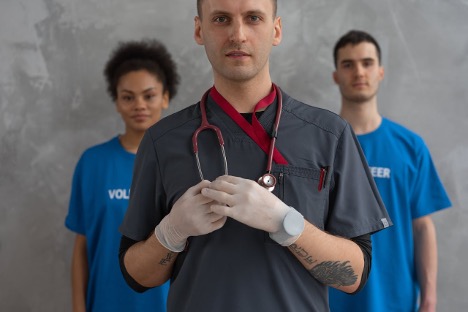
  [caption id="attachment_73778" align="aligncenter" width="500"]Leadership in Modern Healthcare Systems Source[/caption]

The Importance of Effective Leadership in Modern Healthcare Systems

Have you ever noticed how one calm, capable person can change the mood of an entire hospital floor? In modern healthcare, leadership does far more than manage schedules and meetings. It shapes patient care, staff morale, and even public trust. As hospitals face worker shortages, rising costs, and constant political debate, strong leadership has become the difference between systems that adapt and systems that collapse under pressure.

The Pressure Cooker Inside Modern Healthcare

Healthcare systems today operate like airports during a thunderstorm. Everyone is rushing, nobody has enough time, and one mistake can create chaos across the entire network. Leaders now manage far more than doctors and budgets. They handle cyberattacks, staffing shortages, public distrust, and the growing influence of artificial intelligence in medicine. The pandemic exposed how fragile healthcare systems could become when leadership breaks down. Hospitals ran short on nurses, misinformation spread faster than flu season, and burned-out workers left the industry in huge numbers. Good leaders stepped in by improving communication, supporting exhausted staff, and making difficult decisions without sounding robotic or detached. That human side matters more than many executives realize.
Education, Health Care Systems / 15.05.2026

[caption id="attachment_73775" align="aligncenter" width="500"]lead-complex-healthcare.png Image source[/caption]  

What Effective Healthcare Leadership Looks Like in Today's Environment

Many healthcare organizations across Oklahoma continue to deal with physician shortages, long travel distances for rural patients, and growing pressure on local clinics and hospitals. Leaders in these settings often make difficult decisions every day about staffing, patient access, budgets, and quality of care. At the same time, healthcare workers expect better support and clearer communication from management. Patients also want faster service, better experiences, and more transparency during treatment. These challenges have changed what leadership looks like in healthcare. Strong leaders now need practical problem-solving skills, emotional awareness, and a solid understanding of how healthcare systems operate. The job goes far beyond managing schedules or approving budgets. Today's healthcare environment demands leaders who can guide teams through uncertainty while still keeping patient care consistent and reliable.
Author Interviews, Public Health / 19.12.2025

[caption id="attachment_71840" align="aligncenter" width="500"]Building Trust Through Community Health Campaigns Photo by Mikhail Nilov[/caption] Trust determines whether people engage with healthcare systems. It shapes whether they show up for screenings, follow treatment plans, or ask for help early instead of waiting until symptoms escalate. Community health campaigns are one of the most effective ways to build that trust because they connect health systems to people where they live, work, and gather. These campaigns turn research into action and public messaging into lived experience. In an era where misinformation spreads quickly and health systems face mounting pressure, trust-building isn’t optional. It’s the backbone of effective public health. Below is a closer look at why community campaigns matter and how they strengthen trust through visibility, transparency, and meaningful participation.

Bringing Health Messaging Into Everyday Spaces

Large institutions often struggle to reach people who feel disconnected from traditional healthcare environments. Community campaigns solve this by bringing information directly to high-traffic settings—schools, local markets, cultural centers, workplaces, and faith organizations. These spaces offer context. They reduce intimidation. They allow people to engage on their own terms. Campaigns rooted in everyday settings also give health workers more accurate readouts of community concerns. They can gather questions, recognize knowledge gaps, and adapt messaging based on direct feedback. This feedback loop strengthens clarity and improves uptake. Physical visibility matters too. Campaign uniforms, event identifiers, or outreach team markers such as branded materials or custom patches make teams recognizable and consistent. This visibility signals professionalism, reduces uncertainty, and encourages people to approach workers comfortably.

Education, Public Health / 10.10.2024

For professionals committed to the well-being of populations, a Master of Science in Community Health offers an academic path that empowers them to effect significant public health change. Such a degree combines a broad curriculum with a focus on both theory and practical applications in the real world. Graduates emerge prepared to tackle contemporary health challenges, contribute to policy development, and lead community-based health initiatives. Whether you're advancing your career or pivoting to a new sector within public health, this degree could open many doors. Below, we’ll explore the multifaceted advantages of obtaining this advanced degree.

The Financial and Personal Growth Advantages of an Advanced Degree in Community Health

masters-in-community-health - 1   A Master of Science in Community Health is not only an investment in career potential but also in one's financial future. On average, advanced degree holders tend to earn higher salaries over the course of their careers. Additionally, the versatility of the degree often affords professionals a degree of job security and greater bargaining power when negotiating for positions and salaries. Completing a master's program also requires substantial dedication and personal discipline, traits that benefit professionals in any field. The rigors of graduate study foster time management and problem-solving skills that aid in managing complex projects and teams effectively. For those interested in pursuing such a degree, programs like the one found at online.uc.edu/masters-programs/ms-community-health-and-prevention-science offer flexible options for working professionals. These online programs allow students to balance their academic pursuits with personal and professional commitments, making it an accessible path to an impactful career.
Education, Social Issues / 20.08.2024

[caption id="attachment_62896" align="aligncenter" width="468"]Community Health Source[/caption] Promoting community health is a noble endeavor that goes beyond the walls of hospitals and clinics. It’s about creating an environment where everyone has the opportunity to live their healthiest life. From the bustling streets of big cities to the quiet lanes of small towns, community health is a vital aspect that affects us all, directly or indirectly. Whether you're a health professional, a student, or just someone passionate about making a difference, there are numerous ways you can contribute to the health and well-being of your community. Improving community health requires a collective effort and a holistic approach, addressing not just physical health but also mental, environmental, and social factors. It's about building a culture of wellness that supports healthy choices and provides access to resources that encourage a healthy lifestyle. Let's explore some effective ways you can help promote community health, making a positive impact on the lives of those around you.