Author Interviews, Education, Nursing / 17.11.2025

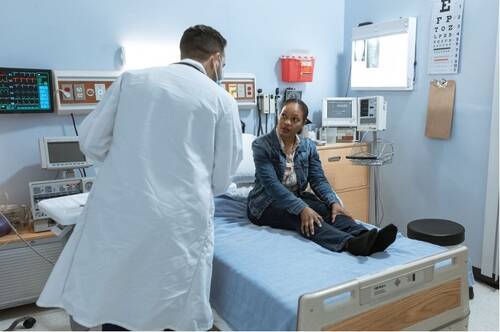
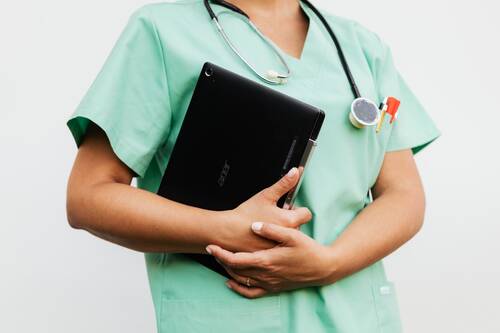
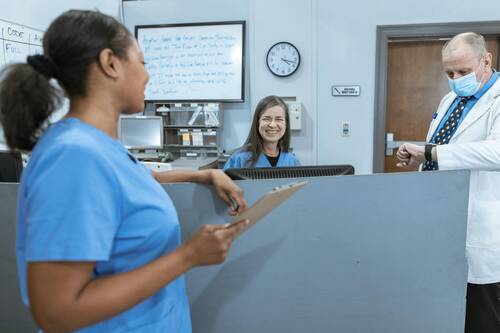
[caption id="attachment_71453" align="aligncenter" width="500"]NP Student Guide To Success Photo by RDNE Stock project: https://www.pexels.com/photo/doctor-looking-at-the-time-6129111/[/caption] Clinical rotations represent one of the most meaningful stages in a nurse practitioner program. These experiences allow students to move beyond classroom learning and begin participating directly in patient care, where clinical reasoning and communication skills take shape. For many NP students, this is the first opportunity to observe how advanced practice providers work within real healthcare environments and to understand the daily responsibilities of the role they are preparing to enter. With thoughtful preparation and consistent engagement, clinical rotations become a valuable part of an NP student’s educational journey.

Preparing Academically and Professionally

Preparing for clinical rotations involves more than meeting deadlines or reviewing checklists. It is a gradual process in which students build confidence by understanding what will be expected of them once they enter a clinical site. Reviewing program requirements, rotation guidelines, and the start date helps students feel more grounded as they transition from the classroom to hands-on patient care. Strengthening these areas before clinical rotations allows students to participate more comfortably during patient encounters and to understand how their nursing practice knowledge applies in a clinical setting. This preparation supports clearer thinking and smoother integration into the responsibilities of patient care. Professional readiness helps students begin each rotation on solid footing. Becoming familiar with clinical policies, organizing required documentation, and understanding the expectations set by the clinical coordinator create a smoother transition into new clinical environments. Whether students rotate through primary care, women’s health, or family medicine, thoughtful preparation makes it easier to engage with patients, collaborate with preceptors, and make the most of each clinical experience.
Author Interviews, Education / 11.11.2025

[caption id="attachment_71362" align="aligncenter" width="500"]explaining-medical-research-to-public Photo by Ivan S[/caption] Groundbreaking discoveries are happening every day in labs around the world, yet most people can't access or understand this vital information. The gap between scientific research and public understanding is wider than most researchers think. When scientists struggle to communicate their findings effectively, important research gets buried in academic journals where it collects dust instead of making an impact. Meanwhile, the public misses out on knowledge that could improve their lives, inform their decisions and shape their understanding of the world. Whether you're a researcher, science communicator or educator, making complex information accessible can amplify your impact and ensure your work reaches the people who need it most.

Why Simplifying Scientific Research Matters

Before diving into strategies, it's worth understanding why this matters. Scientific literacy affects everything from public health decisions to environmental policy. When people can't understand research, they're more likely to fall for misinformation or dismiss legitimate findings altogether. Additionally, most scientific research receives public funding. Taxpayers deserve to understand what their money is supporting and how it benefits society. Simplifying research isn't "dumbing it down" - it's democratizing knowledge and making science more inclusive.
Author Interviews, Education / 03.11.2025

[caption id="attachment_71246" align="aligncenter" width="500"]RBT vs. BCBA Photo by Husna Miskandar on Unsplash[/caption] In the field of applied behavior analysis (ABA), you will often see the qualifications “RBT” and “BCBA.” While both play important roles in behaviour-analytic services, they differ significantly in terms of education, responsibilities, autonomy, and career trajectory. For those preparing to enter the field or advance their credentials, using an RBT mock exam can be an excellent way to test your knowledge, identify areas for improvement, and build confidence before certification. Understanding these differences is essential if you’re considering entering the field, either as a direct service provider or a supervisor/analyst.

Defining the Roles

What is an RBT?

A Registered Behavior Technician is a credentialed paraprofessional who works under the supervision of a BCBA (or, in some cases, a higher-level behaviour analyst). Their primary function is to provide direct, hands-on services to clients: implementing behaviour intervention plans, collecting data, assisting with skill acquisition and behaviour reduction strategies.

What is a BCBA?

A Board Certified Behavior Analyst is a practitioner who has completed graduate-level education, supervised experience, and a certification examination. BCBAs are qualified to conduct assessments, design behaviour intervention plans, supervise RBTs, track outcomes, and make clinical decisions.
Education / 09.09.2025

[caption id="attachment_70579" align="aligncenter" width="500"]cme-continuing-medical-education Photo by National Cancer Institute on Unsplash[/caption] Table of Contents
  1. CME Today: Meeting the Needs of Healthcare Specialists
  2. How Technology Is Transforming CME
  3. Personalized Learning: Tailoring Education for Individual Growth
  4. The Rise of Interdisciplinary Collaboration
  5. New Standards and Regulatory Requirements for CME
  6. Measuring the Impact of CME on Patient Care
  7. Ongoing Challenges in Medical Education
  8. Future Directions for CME Professionals
  CME Today: Meeting the Needs of Healthcare Specialists Continuing Medical Education (CME) is essential for healthcare professionals dedicated to delivering high-quality patient care. As medical knowledge rapidly evolves and specialties subdivide, CME offerings have adapted with a stronger emphasis on current clinical practice, innovative diagnostics, and multidisciplinary care. Whether it’s emerging imaging modalities, novel treatment protocols, or evidence-based prevention guidelines, CME keeps clinicians at the leading edge. Platforms like Experts Teach Imaging are pivotal in bringing expert-led, up-to-date content to learners—empowering them to translate newfound knowledge directly into improved patient outcomes. Modern CME is increasingly designed to accommodate the practical realities of medical professionals’ lives, offering targeted content for sub-specialties and a variety of learning modalities. Traditional in-person symposia have given way to blended learning experiences, combining online, interactive, and real-world scenarios. In a landscape where flexibility is paramount, high-caliber CME delivered by expert faculty ensures healthcare specialists remain confident and competent in their fields.
Education / 20.08.2025

Beyond the MCAT: Innovative Research Experiences Medical school admissions have evolved from purely quantitative metrics to holistic evaluations that value creativity, leadership, and genuine contributions to health science.  While a high MCAT score remains important, applicants who engage in innovative research experiences and seek professional support, such as medical school consulting, demonstrate critical thinking, resilience, and scholarly promise.  This article examines how prospective medical students can utilize cutting-edge research opportunities, combined with expert guidance, to craft compelling applications.
Author Interviews, Education, Health Care Workers, Menopause, University of Pittsburgh / 07.08.2025

[caption id="attachment_70198" align="aligncenter" width="500"]Before Starting a Career in Health Source[/caption] Ever watched a nurse steady a patient’s arm during an injection, answer a family’s questions, juggle documentation, and still keep calm—then thought, I could do that? It’s a common spark. Health careers are high-impact, in demand, and offer the kind of work that feels meaningful. But behind the scrubs and steady hands is a world that asks more than most people expect. In this blog, we will share what you need to know before stepping into a health career. Start With the Structure, Not the Aesthetic Everyone sees the outside first—neatly pressed uniforms, digital charts, exam gloves, badges swinging from lanyards. What’s less obvious is the scaffolding beneath. Health work is layered. Each role connects to others, and each tier carries specific responsibilities, training, and legal scope. If you're picturing your future in health, the first thing to understand is where you want to start, how far you want to go, and what that pathway actually involves. Titles aren’t interchangeable. The difference between a nurse who administers medication and one who diagnoses conditions is more than experience—it’s formal licensing, state-defined boundaries, and years of education. This is where questions like LPN vs nurse practitioner become more than trivia. A Licensed Practical Nurse supports care under the supervision of RNs or physicians, usually after completing a year-long program. A Nurse Practitioner, on the other hand, holds a graduate degree, can assess and diagnose independently in many states, and often carries a caseload similar to a primary care provider. Understanding the distinctions early can save years of missteps. Every job in the system matters, but they’re built on different skill sets. If you want flexibility, long-term growth, or eventual autonomy, you need to plan for that at the start—not halfway through your training. This doesn’t mean locking in a decision forever. It means knowing what each credential unlocks, so you can move with purpose, not guesswork.
Author Interviews, Education / 05.08.2025

How Undergraduate Research Experiences Shape Future Physicians Key Takeaway: Early involvement in research not only sharpens critical thinking and problem-solving skills but also significantly strengthens medical school applications—applicants with sustained research commitment enjoy higher interview and acceptance rates. Undergraduate research provides an immersive experience in scientific inquiry, offering pre-medical students a profound understanding of how evidence is generated, evaluated, and translated into patient care. Beyond building resumes, these experiences cultivate essential skills—analytical reasoning, resilience, and curiosity—that admissions committees actively seek. To learn how to present these experiences most compellingly, explore tailored strategies from the best medical school admissions consulting services.
Education, Nursing / 29.07.2025

[caption id="attachment_70061" align="aligncenter" width="500"]leadership-training-future-nursing.jpg Source[/caption] The healthcare system today looks very different than it did even a decade ago. Nurses are no longer expected to just carry out physician instructions or provide bedside care. You’re now on the frontlines of patient advocacy, care coordination, and even policy decisions. As hospitals and clinics become more complex, the expectations on nursing professionals continue to grow. This shift is driven by increasing patient needs, advancements in medical technology, and a growing emphasis on holistic care. The pandemic only accelerated the urgency for better leadership in healthcare settings. And whether you're managing high-stakes emergencies or advocating for system-wide improvements, one thing is clear: traditional clinical skills alone aren’t enough anymore. So, where do nurses gain the skills to lead, problem-solve, and influence change within their organizations? That’s where leadership training steps in, and it’s already transforming the field. From Bedside to Boardroom: Why Leadership Skills Matter If you’ve ever felt like you needed more than medical knowledge to manage a tough shift or support your team, you’re not alone. Many nurses find themselves navigating staff conflicts, ethical dilemmas, and time-sensitive decisions with little to no formal leadership training. That gap can make the difference between reacting to problems and actively shaping better outcomes. Leadership programs designed for nurses are changing this. They teach core skills in communication, conflict resolution, systems thinking, and emotional intelligence. More importantly, they provide a framework for real-world application. Some degree programs even focus on practical strategies for managing healthcare environments. If you're interested in taking on a leadership role, there are education paths that specifically target the needs of today’s nursing professionals. These programs can help sharpen your ability to lead teams, develop protocols, and oversee complex care operations. One major advantage of leadership training is that it includes guidance for effectively handling nursing issues, including those that involve hospital policies, resource limitations, and interdisciplinary coordination. That added confidence and clarity can make you a more effective leader, whether you’re on the hospital floor or in a strategic planning meeting.
Education, Mental Health Research / 29.07.2025

[caption id="attachment_70054" align="aligncenter" width="500"]therapy-medicine-work-together.png Source[/caption] Have you ever felt stuck even though you were doing all the “right” things to feel better? You go to therapy, take your medicine, and still don’t see real change. It can be frustrating, especially when mental health feels like a puzzle with missing pieces. Many people don’t realize that therapy and medication don’t have to work separately. When used together, they can form a powerful team that supports deeper healing. It’s not about choosing one or the other—it’s about knowing how they can support each other. In this blog, we will share how therapy and medicine work hand in hand to support your mental health journey. What You Should Know About LCSW Programs and Mental Health Care Therapy is a personal journey, and the professionals who provide it come from many educational paths. One well-known option for becoming a therapist is through LCSW programs. These programs train future Licensed Clinical Social Workers to support people with mental health needs, addictions, trauma, and more. They offer flexibility and are available to students across the country, helping create more accessible mental health services. LCSW online programs include both academic coursework and hands-on clinical experience, preparing graduates to provide talk therapy and other forms of support. Understanding who provides therapy is important when considering how therapy and medication work together. LCSWs, psychologists, and counselors all help clients explore emotions, learn coping skills, and face challenges. At the same time, medication can help stabilize symptoms so therapy becomes more effective. A strong therapist—such as one trained through an LCSW program—can work with your doctor or psychiatrist to form a complete treatment plan. When both professionals communicate well, clients often see better and faster results.
ADHD, Autism, Education, Mental Health Research / 08.07.2025

[caption id="attachment_69382" align="aligncenter" width="500"]keys-applied-behavior-analysis Photo by Artem Podrez[/caption] Applied Behavior Analysis (ABA) is a scientific approach to understanding and improving human behavior. It is widely used in clinical, educational, and organizational settings, with proven success in helping individuals with autism and other developmental disorders. While ABA is a broad field, its foundation is built upon a set of essential guiding principles — often referred to as the 7 Dimensions of ABA. Originally introduced by Baer, Wolf, and Risley in 1968, these dimensions represent the gold standard for what qualifies as effective and ethical ABA practice. In this article, we’ll explore these 7 keys of ABA in depth, explain their significance, and show how they work together to promote meaningful behavior change. Table of Contents
  1. What Are the 7 Keys of ABA?
  2. 1. Applied
  3. 2. Behavioral
  4. 3. Analytic
  5. 4. Technological
  6. 5. Conceptually Systematic
  7. 6. Effective
  8. 7. Generality
  9. Why These Dimensions Matter
  10. Applying the 7 Keys in Real Life
  11. Conclusion
Education, Pediatrics / 22.05.2025

MedicalResearch.com Interview with: [caption id="attachment_68655" align="alignleft" width="120"]Allison Gertel-Rosenberg, M.S., VPChief Policy and Prevention Officer Nemours Children's Health Allison Gertel-Rosenberg[/caption] Allison Gertel-Rosenberg, M.S., VP Chief Policy and Prevention Officer Nemours Children's Health MedicalResearch.com: What is the background for this study? Response: This national online survey was conducted by Nemours Children’s Health to better understand the challenges educators face in supporting early literacy development among young learners. Nemours Children’s gathered insights from more than 300 certified K-3 teachers in the U.S. The findings reveal an urgent need for stronger support for early literacy. The survey shows that K-3 teachers are acutely aware of the challenges related to child literacy and believe they need more effective resources and support to help struggling students meet grade-level literacy skills.
Education, Occupational Health / 14.05.2025

[caption id="attachment_68527" align="aligncenter" width="500"]height-safety-courses.png Source: Freepik.com[/caption] In industries like construction, warehousing, telecommunications, and maintenance, working at heights is often part of the job. But it’s also one of the most dangerous parts, requiring strict procedures, clear safety protocols, and, most importantly, proper training. Height safety training courses are designed to give workers the knowledge and skills to handle elevated work environments safely. These courses cover a wide range of areas – let’s explore the most common ones and why they matter so much.

Legal Responsibilities and Risk

One of the first topics that is usually covered in any height safety training course is the legal framework surrounding work at heights. You learn about workplace health and safety (WHS) laws, employer and employee responsibilities, and the potential consequences of not complying. Understanding the legal side helps workers take accountability and play their role in creating a safe environment. You can also get a Certificate IV in Work Health and Safety to explore WHS laws in more depth.
Education, Nursing / 01.04.2025

[caption id="attachment_67720" align="aligncenter" width="500"] Pexels image[/caption]

The nursing profession is one that requires continuous learning and skill development throughout one's career. With advancements in medical technology and research, new evidence-based best practices are always emerging. Lifelong learning enables nurses to provide the highest quality care to their patients by staying up-to-date on the latest developments in the field. For both patients and nurses, the benefits of lifelong learning are numerous.

Staying Current with Best Practices

Lifelong learning allows nurses to remain current on evidence-based best practices and new technologies. Medicine is constantly evolving, and if nurses do not make an effort to advance their knowledge and skills continually, they risk becoming outdated. This could negatively impact patient care and outcomes. By engaging in ongoing professional development through activities such as conferences, certifications, online courses, and degree programs such as the St. Kate's nursing programs, nurses can ensure they are utilizing the most effective, up-to-date practices. This helps them provide the highest level of care to their patients.

Dental Research, Education / 25.03.2025

[caption id="attachment_67538" align="aligncenter" width="500"]continuing-education-courses-dental Photo by cottonbro studio[/caption] Dentists who want to keep ahead in their business and deliver first-rate patient care must always be learning. Dental technology, materials, and techniques have advanced and require constant study to keep knowledge current and change with the times. Having many choices means that selecting the correct curriculum will greatly affect professional development and practice success. Among the several respectable choices that provide dentists and hygienists worthwhile learning chances are crest ce courses. Knowing the top CE programs and their advantages will enable dental practitioners to make wise decisions for long-term professional development. Seeking authorized CE classes can help many dental professionals increase their knowledge, hone their abilities, and advance their careers.
Education, Nursing / 20.03.2025

The Roles and Responsibilities of Nurse Educators What are the roles and responsibilities of nurse educators? Just as importantly, how do nurse educators help shape the future of healthcare?  If you’re curious to learn the answers to these questions and more - stay with us. This article will aim to provide an overview of what it means to be a nurse educator, the primary responsibilities of the role, the key skills required to succeed, and also, the prospective work settings for aspiring nurse educators.  

What is a Nurse Educator?

A nurse educator is a licensed medical professional tasked with instructing and mentoring other nurses, as well as offering them professional guidance in their roles. Quite often seen as role models, nurse educators assist with teaching, training, and more often than not, taking other nurse practitioners under their wing. The vast majority of nurse educators are also passionate about advocating for nurses and the nursing profession. While it is not mandatory for nurse educators to attain a DNP qualification, completing Doctor of Nursing Practice online programs can help prepare future nurse educators to pursue a fruitful, successful, and rewarding career in nursing education.
Education / 20.03.2025

[caption id="attachment_67382" align="aligncenter" width="500"]BCBA-CEUs-Education.png Image Source: FreePik [/caption] Continuing education is essential to maintaining a Board-Certified Behavior Analyst (BCBA) certification. To comply with the Behavior Analyst Certification Board (BACB) requirements, BCBAs must complete a specific number of continuing education units (CEUs) every two years. While professional growth is exciting, finding affordable, high-quality CEUs can often feel overwhelming. However, with the right approach, completing CEUs can be cost-effective and hassle-free, allowing professionals to stay current with the latest advancements in Applied Behavior Analysis (ABA).  

Understanding BCBA CEU Requirements

BCBA professionals must accumulate CEUs within each two-year recertification cycle to maintain their credentials to maintain their credentials. Mandatory ethics and supervision credits ensure behavior analysts remain well-versed in ethical guidelines and leadership principles. Failure to meet these requirements can expire certification, potentially affecting professional opportunities. The key to successfully navigating this process is planning and choosing courses that align with professional goals and certification requirements.
Education, Health Care Workers, Nursing / 17.03.2025

[caption id="attachment_67188" align="aligncenter" width="500"]nursing-careers-diversified Photo By: Kaboompics.com[/caption] Nursing is a diverse and dynamic profession that offers a wide range of specializations. As healthcare continues to evolve, nurses have more opportunities than ever to focus on specific areas of patient care. Specializing allows nurses to develop expertise, increase their earning potential, and find a career path that aligns with their interests and skills. Whether working in a hospital, clinic, or community setting, choosing the right nursing specialization can lead to a fulfilling and impactful career. The Growing Demand for Specialized Nurses The demand for specialized nurses is increasing as healthcare becomes more complex. Patients are living longer, chronic conditions are on the rise, and advancements in medical technology require highly skilled professionals to provide specialized care. Many nurses are choosing to further their education to gain the necessary credentials for specialized roles. For those looking for flexibility, earning a degree through an online nursing school can be a convenient way to advance their careers while continuing to work.
Cost of Health Care, Education / 17.03.2025

Business Side of HealthcareImage Source

Medicine is about saving lives, but it’s also a business. Behind every appointment, insurance claim, and prescription is a system that runs on strategy, budgets, and management. Today’s healthcare isn’t just about doctors and patients. It’s a network of administrators, insurers, and policymakers working to keep hospitals running and treatments accessible. With rising costs, policy shifts, and new technologies reshaping the industry, strong leadership is more important than ever. In this blog, we’ll explore why understanding the business side of medicine matters, how healthcare leaders shape the industry, and what professionals can do to stay ahead.
Education, Nursing / 12.03.2025

RN BSN Nursing Programs.jpg   Nursing is a constantly evolving profession that continually adapts to meet evolving healthcare requirements and expectations. Seasoned registered nurses (RNs) are increasingly recognizing the importance of ongoing education by acquiring a Bachelor of Science in Nursing (BSN). This trend reflects a growing recognition of the key importance of higher education in improving patient care, career opportunities, and professional growth. This article explores the reasons why veteran nurses are returning to school, including the professional, educational, and personal benefits of earning a BSN.

The Increasing Significance of Advanced Nursing Education

Healthcare facilities more and more favor or even demand nurses to have BSN degrees, fueled by strong evidence linking higher education to better patient outcomes. As the American Association of Colleges of Nursing (AACN) reports, hospitals with a higher proportion of BSN-educated nurses have considerably lower patient mortality rates and improved clinical outcomes. The Institute of Medicine (IOM) corroborates this finding, suggesting that 80% of nurses earn BSN degrees by 2025 in order to effectively address current healthcare demands. Experienced nurses are well aware of the intricacies and nuances of patient care. Returning to school equips these professionals with enhanced critical thinking skills, robust clinical knowledge, and greater leadership capabilities, thus making them invaluable in more complex healthcare systems.
Education, Nursing / 12.03.2025

nursing-home-scholarships.jpg Securing nursing scholarships can significantly reduce financial stress and enable students to focus more effectively on their education and clinical practice. However, with rising tuition costs and increased competition for financial aid, nursing students must adopt strategic approaches to stand out among applicants. This article offers tips, grounded in research and experience from nurses, to help healthcare students confidently navigate the scholarship application process.

Understanding the Scholarship Landscape

The need for nurses continues to rise significantly, with the Bureau of Labor Statistics projecting a 6% employment growth rate for registered nurses through 2031. Concurrently, educational costs for nursing programs have steadily increased, intensifying the financial pressures on students. Recognizing this, numerous organizations—including hospitals, foundations, professional nursing associations, and educational institutions—have expanded scholarship opportunities specifically targeting nursing students. Scholarships vary widely, ranging from merit-based and need-based awards to those emphasizing specialized fields like pediatrics, oncology, or critical care.
Disability Research, Education / 21.02.2025

science-tutors-disabled-students.png Do students with disabilities face additional challenges in learning science? Many students with disabilities struggle in traditional classrooms. Science can be especially hard because it involves fast-paced lectures, complex ideas, and hands-on experiments.  For students with physical disabilities, getting to class and participating in lab work may be difficult. Those with learning disabilities might find it overwhelming to process large amounts of information quickly. Some students struggle with concentration, making it difficult to follow the teacher’s explanations. Online science tutoring provides a more flexible, accessible, and supportive learning experience. It removes many of the barriers that disabled students face and allows them to focus on learning in a way that works best for them. 

Learning at a Comfortable Pace

In the U.S., classroom instruction often follows a predetermined pace that may not suit all students. The teaching approach involves rapid topic presentation while expecting students to maintain their alignment. The necessary processing time for disabled students creates stress during academic activities. Student difficulties include problems with reading skills together with writing and concentrating over an extended time. Physical discomfort or tiredness forces certain students to need periodic rest breaks. The inability to stay on pace causes students to experience frustration or doubts about their mastery of the subject. Through online tutoring, students possess the power to proceed through their lessons at rhythms that best match their learning speeds. With the help of an online science tutor, disabled students gain flexibility in choosing session times and taking breaks or reviewing lessons as needed to support their understanding.
Education, Health Care Workers / 12.02.2025

In today's dynamic business environment, where information is as valuable as currency, developing an effective knowledge management strategy is paramount. Companies that harness the collective know-how of their employees can secure a significant advantage in the competitive marketplace. A robust knowledge management strategy can lead to improved efficiency, innovation, and customer satisfaction. But, what exactly does it entail, and why is it so crucial for contemporary organizations? Keep reading to delve into the critical aspects of knowledge management and how it can be the key to unlocking your company's potential.

Understanding Knowledge Management Strategy and Its Importance

A person engages in project planning with sticky notes, demonstrating a practical approach to what is knowledge management strategy What is knowledge management strategy? It is a framework organizations use to manage knowledge assets systematically, ensuring information is accessible to those who need it. By fostering collaboration and sharing knowledge, companies can streamline processes, innovate, and make smarter decisions. This strategy emphasizes connecting people with both information and each other, focusing on active management of corporate knowledge, including the tacit expertise employees hold. A strong knowledge management strategy is vital in today’s fast-paced industries. It helps retain critical knowledge during staff turnover, supports succession planning, and drives innovation by leveraging internal skills. By creating an environment of shared intelligence, businesses can exceed customer expectations, stand out in the market, and achieve operational excellence.
Education, Surgical Research / 27.01.2025

  [caption id="attachment_66119" align="aligncenter" width="471"]Next generation surgeons Unsplash Image[/caption] Advancements in technology, surgical tools, and techniques mean the field of surgery is in constant evolution. Training, as the foundation for preparing medical professionals, has to adapt quickly to meet these changes. Modern training programs prioritize the understanding of surgical tools, patient safety, and interdisciplinary collaboration, as well as skill acquisition.  Technology-driven training One of the most notable shifts in surgical training has been the integration of advanced technology. High-fidelity surgical simulators allow trainees to practice procedures in a risk-free environment that mimic real-world scenarios. These virtual and augmented reality platforms replicate human anatomy and enable surgeons to refine their skills before entering the operating room. Robotics has also become a part of surgical training. Robotic systems like the da Vinci Surgical System require specific knowledge and dexterity to operate. Training programs include dedicated modules to help residents learn about these systems. Surgeons can interact with these technologies early in their careers so that they’re well equipped for the demands of their roles. Modern surgical tools A thorough understanding of surgical tools is also important for aspiring surgeons. As tools become more specialized and sophisticated, familiarity with their applications becomes essential. Instruments like the retractors from June Medical allows surgeons more stability and control. By learning how to incorporate such tools into procedures, trainers can improve their efficiency and outcomes. The focus on tool-specific training reflects an appreciation of procedural dynamics and reduces the likelihood of complications.
Education, Health Care Workers / 24.01.2025

[caption id="attachment_66103" align="aligncenter" width="500"]healthcare-professional-skills.jpg Source[/caption] Have you ever wondered what it takes to excel in the healthcare field? Healthcare professionals work in fast-paced environments where they must balance technical expertise, compassion, and strong communication skills. Whether they are assisting patients, managing a team, or navigating complex systems, these individuals require a unique set of skills to thrive. But what are those skills, and why are they so important? In this blog, we will share the essential skills every healthcare professional needs to succeed in their career and make a meaningful impact on the lives of their patients.

1.    Strong Communication Skills

Communication lies at the heart of healthcare. Professionals must clearly and effectively exchange information with patients, families, and colleagues. This includes both verbal and nonverbal communication. For instance, explaining a medical condition or procedure to a patient requires clear, simple language, while empathy and active listening help build trust. Good communication is also essential when collaborating with a team. Healthcare professionals work closely with nurses, doctors, technicians, and administrative staff. Miscommunication can lead to mistakes, so being able to convey information accurately and in a timely manner is critical for patient safety and effective teamwork.
Education, Mental Health Research / 23.01.2025

Religious education does not have to end when we leave school. In fact, for some, religious education does not begin until much later in life. Some people may want to learn about a religion due to a specific question, such as what is the Serenity prayer, while others will become interested in a specific religion and want to learn more about that religion.  [caption id="attachment_66080" align="aligncenter" width="333"]Religious Education Photo by Tima Miroshnichenko[/caption] There are many ways to begin or continue your religious education, and we have listed some below if you are unsure of how to get started.  Attend a Place of Worship One of the most common places to experience a religion is a place of worship. You will be able to experience traditional worship, speak to other followers of your chosen religion, and speak to the leaders of worship while you are there.  However, if you are planning to learn a significant amount about a specific religion, attending a place of worship may not give you as much information as you may think. Active places of worship do not always house learning materials regarding a religion.  However, an active place of worship is a great way to network with other followers and scholars of the religion. Conversing with those who are well-versed in a religion can be beneficial in allowing you to discuss open questions that you have and get a personal response from those who follow the religion you are interested in.