

24 Oct A Disability Claim Was Denied. What Happens Next?
Legal Notice: This post provides general information about Social Security disability appeals and is not legal or medical advice. Appeal deadlines are short, and the rules that apply depend on your circumstances. Always check the deadline in your own denial notice, and contact the Social Security Administration or a qualified representative about your situation. Law firms named or linked in this post are not warranted or endorsed by MedicalResearch.com or Eminent Domains Inc.
South Carolina's growing cities, rural communities, and diverse workforce are home to people whose ability to work plays a central role in their financial stability and independence. When a serious medical condition prevents someone from continuing to earn a living, disability benefits can become an important source of support. A denied claim, however, can leave applicants wondering whether the decision is final or whether they have any options left.
The answer depends on understanding how the disability system works and responding thoughtfully rather than assuming the process has come to an end. For someone already coping with health challenges, navigating an unfamiliar administrative system can feel especially overwhelming.














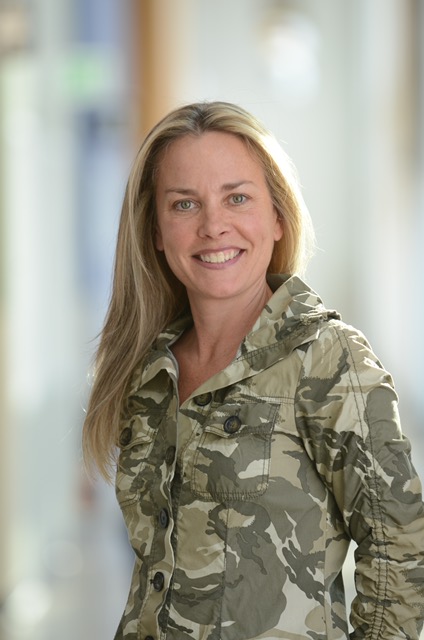
 Dr. Cheryl Krause-Parello[/caption]
Cheryl A. Krause-Parello, PhD, RN, FAAN
Dr. Cheryl Krause-Parello[/caption]
Cheryl A. Krause-Parello, PhD, RN, FAAN







 Dr. Clara van Karnebeek[/caption]
Dr. Clara van Karnebeek PhD
Certified Pediatrician and Biochemical Geneticist at the BC Children’s Hospital
Principal Investigator, University of British Columbia
MedicalResearch.com: What is the background for this study?
Dr. van Karnebeek: The goal of the study was to diagnose patients with genetic conditions and discover and describe new diseases with potential for treatment. The study included patients with neurodevelopmental conditions that doctors suspected were genetic or metabolic in origin but had not been diagnosed using conventional methods. Our team tested the children and their parents using a combination of metabolomic (large scale chemical) analysis and a type of genomic sequencing called whole exome sequencing. With this state-of-the-art technique, experts analyze and interpret the portion of DNA called genes that hold the codes for proteins.
Some people’s intellectual disability is due to rare genetic conditions that interfere with the processes the body uses to break down food. Because of these metabolic dysfunctions, there is an energy deficit and build-up of toxic substances in the brain and body leading to symptoms such as developmental and cognitive delays, epilepsy, and organ dysfunction. Some of these rare diseases respond to treatments targeting the metabolic dysfunction at the cellular level and range from simple interventions like dietary modifications, vitamin supplements and medications to more invasive procedures like bone marrow transplants. Because the right treatment can improve cognitive functioning or slow or stop irreversible brain damage, early intervention can improve lifelong outcomes for affected children and their families.
Dr. Clara van Karnebeek[/caption]
Dr. Clara van Karnebeek PhD
Certified Pediatrician and Biochemical Geneticist at the BC Children’s Hospital
Principal Investigator, University of British Columbia
MedicalResearch.com: What is the background for this study?
Dr. van Karnebeek: The goal of the study was to diagnose patients with genetic conditions and discover and describe new diseases with potential for treatment. The study included patients with neurodevelopmental conditions that doctors suspected were genetic or metabolic in origin but had not been diagnosed using conventional methods. Our team tested the children and their parents using a combination of metabolomic (large scale chemical) analysis and a type of genomic sequencing called whole exome sequencing. With this state-of-the-art technique, experts analyze and interpret the portion of DNA called genes that hold the codes for proteins.
Some people’s intellectual disability is due to rare genetic conditions that interfere with the processes the body uses to break down food. Because of these metabolic dysfunctions, there is an energy deficit and build-up of toxic substances in the brain and body leading to symptoms such as developmental and cognitive delays, epilepsy, and organ dysfunction. Some of these rare diseases respond to treatments targeting the metabolic dysfunction at the cellular level and range from simple interventions like dietary modifications, vitamin supplements and medications to more invasive procedures like bone marrow transplants. Because the right treatment can improve cognitive functioning or slow or stop irreversible brain damage, early intervention can improve lifelong outcomes for affected children and their families.
 Prof. Jagger[/caption]
MedicalResearch.com Interview with:
Prof. Carol Jagger
AXA Professor of Epidemiology of Ageing and
Deputy Director of the Newcastle University Institute for Ageing (NUIA)
Institute of Health & Society
Campus for Ageing and Vitality
Newcastle upon Tyne
Medical Research: What is the background for this study?
Prof. Jagger: Although we know that life expectancy at older ages is increasing, there is still uncertainty about whether the extra years are healthy ones. Our results are based on data from the Cognitive Function and Ageing Studies (CFASI and II), two cohorts of people aged 65 years and over in three centres in England (Cambridgeshire, Newcastle and Nottingham) who were interviewed in 1991 and 2011. The participants, over 7000 people in each study, were recruited from general practices in the area and included those living in care homes to ensure our results reflect the total older population.
Medical Research: What are the main findings?
Prof. Jagger: We used three health measures to calculate the health expectancies at age 65: cognitive impairment, self-perceived health and
Prof. Jagger[/caption]
MedicalResearch.com Interview with:
Prof. Carol Jagger
AXA Professor of Epidemiology of Ageing and
Deputy Director of the Newcastle University Institute for Ageing (NUIA)
Institute of Health & Society
Campus for Ageing and Vitality
Newcastle upon Tyne
Medical Research: What is the background for this study?
Prof. Jagger: Although we know that life expectancy at older ages is increasing, there is still uncertainty about whether the extra years are healthy ones. Our results are based on data from the Cognitive Function and Ageing Studies (CFASI and II), two cohorts of people aged 65 years and over in three centres in England (Cambridgeshire, Newcastle and Nottingham) who were interviewed in 1991 and 2011. The participants, over 7000 people in each study, were recruited from general practices in the area and included those living in care homes to ensure our results reflect the total older population.
Medical Research: What are the main findings?
Prof. Jagger: We used three health measures to calculate the health expectancies at age 65: cognitive impairment, self-perceived health and