

 Dr. Newman-Toker[/caption]
David E. Newman-Toker, MD PhD (he/him)
Professor of Neurology, Ophthalmology, & Otolaryngology
David Robinson Professor of Vestibular Neurology
Director, Division of Neuro-Visual & Vestibular Disorders
Director, Armstrong Institute Center for Diagnostic Excellence
Johns Hopkins Medicine
MedicalResearch.com: What is the background for this study?
Response: Diagnostic errors are believed to be a major public health issue, but valid, quantitative estimates of harm are lacking. In 2015, the National Academy of Medicine stated in their report Improving Diagnosis in Healthcare that improving diagnosis was a “moral, professional, and public health imperative” yet also noted that “the available research [is] not adequate to extrapolate a specific estimate or range of the incidence of diagnostic errors in clinical practice today.” We sought a scientifically robust answer to the question of how many patients in the US suffer serious harms as a result of medical misdiagnosis.
Dr. Newman-Toker[/caption]
David E. Newman-Toker, MD PhD (he/him)
Professor of Neurology, Ophthalmology, & Otolaryngology
David Robinson Professor of Vestibular Neurology
Director, Division of Neuro-Visual & Vestibular Disorders
Director, Armstrong Institute Center for Diagnostic Excellence
Johns Hopkins Medicine
MedicalResearch.com: What is the background for this study?
Response: Diagnostic errors are believed to be a major public health issue, but valid, quantitative estimates of harm are lacking. In 2015, the National Academy of Medicine stated in their report Improving Diagnosis in Healthcare that improving diagnosis was a “moral, professional, and public health imperative” yet also noted that “the available research [is] not adequate to extrapolate a specific estimate or range of the incidence of diagnostic errors in clinical practice today.” We sought a scientifically robust answer to the question of how many patients in the US suffer serious harms as a result of medical misdiagnosis.
 Dr. Huang[/caption]
Alison R. Huang, PhD MPH
Senior Research Associate
Cochlear Center for Hearing & Public Health
Department of Epidemiology
Johns Hopkins Bloomberg School of Public Health
MedicalResearch.com: What is the background for this study? What are the main findings?
Response: Hearing loss is a critical public health issue affecting two-thirds of older adults over 70 years old. There is growing understanding of a strong link between hearing loss and dementia, which impacts millions of Americans.
Our main findings are that in a nationally representative sample of older adults in the United States from the National Health and Aging Trends Study, every 10 decibel increase in hearing loss was associated with 16% greater prevalence of dementia, such that prevalence of dementia in older adults with moderate or greater hearing loss was 61% higher than prevalence in those with normal hearing.
We also found that in older adults with moderate or greater hearing loss, hearing aid use was associated with a 32% lower prevalence of dementia.
Dr. Huang[/caption]
Alison R. Huang, PhD MPH
Senior Research Associate
Cochlear Center for Hearing & Public Health
Department of Epidemiology
Johns Hopkins Bloomberg School of Public Health
MedicalResearch.com: What is the background for this study? What are the main findings?
Response: Hearing loss is a critical public health issue affecting two-thirds of older adults over 70 years old. There is growing understanding of a strong link between hearing loss and dementia, which impacts millions of Americans.
Our main findings are that in a nationally representative sample of older adults in the United States from the National Health and Aging Trends Study, every 10 decibel increase in hearing loss was associated with 16% greater prevalence of dementia, such that prevalence of dementia in older adults with moderate or greater hearing loss was 61% higher than prevalence in those with normal hearing.
We also found that in older adults with moderate or greater hearing loss, hearing aid use was associated with a 32% lower prevalence of dementia.

 Dr. Hyunju Kim[/caption]
Dr. Hyunju Kim Ph.D.
Johns Hopkins School of Public Health
MedicalResearch.com: What is the background for this study?
Response: In the past few months, we have learnt that individuals with comorbidities (obesity, type 2 diabetes, cardiovascular disease, hypertension) are at higher risk of Covid-19. The etiology of these conditions is largely driven by poor nutrition and unfavorable lifestyle choices, yet no study examined whether dietary habits play a role in Covid-19 infection, severity of symptoms, and duration of illness.
Dr. Hyunju Kim[/caption]
Dr. Hyunju Kim Ph.D.
Johns Hopkins School of Public Health
MedicalResearch.com: What is the background for this study?
Response: In the past few months, we have learnt that individuals with comorbidities (obesity, type 2 diabetes, cardiovascular disease, hypertension) are at higher risk of Covid-19. The etiology of these conditions is largely driven by poor nutrition and unfavorable lifestyle choices, yet no study examined whether dietary habits play a role in Covid-19 infection, severity of symptoms, and duration of illness.

 Dr. Blankson[/caption]
Joel N. Blankson, MD, PhD
Department of Infectious Diseases
Associate Professor
Cellular and Molecular Medicine Program
Johns Hopkins
MedicalResearch.com: What is the background for this study? Which vaccines did you evaluate?
Response: Prior studies from several groups including our own have found T cell cross-recognition of peptides from SARS-CoV-2 and the common cold coronaviruses.
We asked whether as a result of this cross-reactivity, immunization with the SARS-CoV-2 vaccine would also enhance T cell responses to the common cold coronaviruses.
Prior studies also suggested that antibodies elicited from the mRNA vaccines had a reduced ability to neutralize the emerging variants of concern.
Most of the study participants had received the Pfizer vaccine, but a few had received the Moderna vaccine.
Dr. Blankson[/caption]
Joel N. Blankson, MD, PhD
Department of Infectious Diseases
Associate Professor
Cellular and Molecular Medicine Program
Johns Hopkins
MedicalResearch.com: What is the background for this study? Which vaccines did you evaluate?
Response: Prior studies from several groups including our own have found T cell cross-recognition of peptides from SARS-CoV-2 and the common cold coronaviruses.
We asked whether as a result of this cross-reactivity, immunization with the SARS-CoV-2 vaccine would also enhance T cell responses to the common cold coronaviruses.
Prior studies also suggested that antibodies elicited from the mRNA vaccines had a reduced ability to neutralize the emerging variants of concern.
Most of the study participants had received the Pfizer vaccine, but a few had received the Moderna vaccine.

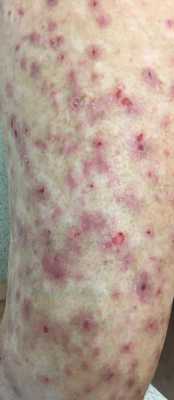
Future randomized controlled studies are needed to determine dosing, efficacy, and safety of medical marijuana for the treatment of various forms of itch....
 Dr. Rooney[/caption]
Mary R. Rooney, PhD, MPH
Postdoctoral research fellow
Johns Hopkins Bloomberg School of Public Health
MedicalResearch.com: What is the background for this study?
Response: Prediabetes is defined by elevated blood glucose levels below the threshold for diabetes diagnosis. Physicians screen for prediabetes to identify patients at high risk for diabetes. Prediabetes is common in middle-aged adults but has not been well-studied in older age. We undertook this study to examine the natural history of prediabetes in older adults.
Dr. Rooney[/caption]
Mary R. Rooney, PhD, MPH
Postdoctoral research fellow
Johns Hopkins Bloomberg School of Public Health
MedicalResearch.com: What is the background for this study?
Response: Prediabetes is defined by elevated blood glucose levels below the threshold for diabetes diagnosis. Physicians screen for prediabetes to identify patients at high risk for diabetes. Prediabetes is common in middle-aged adults but has not been well-studied in older age. We undertook this study to examine the natural history of prediabetes in older adults.
 Dr. Chatterjee[/caption]
Nilanjan Chatterjee, PhD
Bloomberg Distinguished Professor
Departments of Biostatistics and Epidemiology
Johns Hopkins Bloomberg School of Public Health
MedicalResearch.com: What is the background for this study?
Response: Calculation of risks or severe COVID-19 disease and mortality for individuals in the general population can help to prioritize prevention efforts, such as early vaccination. We developed a model to estimate risks for COVID-19 mortality for currently uninflected individuals based on sociodemographic factors, pre-existing conditions and local pandemic intensity. The model captures factors associated with both risk of infection and complications after infection.
The model was developed using information from a large UK based cohort study called OpenSAFELY, and was adapted to the US population based on information on mortality rate associated with age and race/ethnicity available through CDC. The model also utilizes information on state level projected death rates from pandemic forecasting models.
Dr. Chatterjee[/caption]
Nilanjan Chatterjee, PhD
Bloomberg Distinguished Professor
Departments of Biostatistics and Epidemiology
Johns Hopkins Bloomberg School of Public Health
MedicalResearch.com: What is the background for this study?
Response: Calculation of risks or severe COVID-19 disease and mortality for individuals in the general population can help to prioritize prevention efforts, such as early vaccination. We developed a model to estimate risks for COVID-19 mortality for currently uninflected individuals based on sociodemographic factors, pre-existing conditions and local pandemic intensity. The model captures factors associated with both risk of infection and complications after infection.
The model was developed using information from a large UK based cohort study called OpenSAFELY, and was adapted to the US population based on information on mortality rate associated with age and race/ethnicity available through CDC. The model also utilizes information on state level projected death rates from pandemic forecasting models.

 Dr. Obisesan[/caption]
Funmi (Abiru) Obisesan, MD, MPH
Postdoctoral Fellow
Johns Hopkins Ciccarone Center for the Prevention of Cardiovascular Disease
Postdoctoral Fellow
Johns Hopkins Ciccarone Center for the Prevention of Cardiovascular Disease
MedicalResearch.com: What is the background for this study?
Response: E-cigarettes are conceived by many individuals to be less harmful than combustible cigarettes, resulting in their use among young individuals and other vulnerable subpopulations. The recent outbreak of EVALI (e-cigarette, or vaping, product-use associated lung injuries) which was directly associated with e-cigarette use, and the rapidly evolving e-cigarette market, as well as regulations concerning them necessitates the need for up-to-date analyses of e-cigarette use trends.
Dr. Obisesan[/caption]
Funmi (Abiru) Obisesan, MD, MPH
Postdoctoral Fellow
Johns Hopkins Ciccarone Center for the Prevention of Cardiovascular Disease
Postdoctoral Fellow
Johns Hopkins Ciccarone Center for the Prevention of Cardiovascular Disease
MedicalResearch.com: What is the background for this study?
Response: E-cigarettes are conceived by many individuals to be less harmful than combustible cigarettes, resulting in their use among young individuals and other vulnerable subpopulations. The recent outbreak of EVALI (e-cigarette, or vaping, product-use associated lung injuries) which was directly associated with e-cigarette use, and the rapidly evolving e-cigarette market, as well as regulations concerning them necessitates the need for up-to-date analyses of e-cigarette use trends.

 Dr. Ehsani[/caption]
Johnathon P. Ehsani, PhD
Assistant Professor
Johns Hopkins School of Public Health
MedicalResearch.com: What is the background for this study?
Response: Car crashes are the leading cause of death and disability for young people. So, what can parents do during the learner stage of licensing to reduce their teenagers’ crash risk during independent driving? The learner stage is a brief window of opportunity to influence the safety of their teenager. This is when teenagers are required to practice driving under the supervision of a licensed adult – typically mom or dad. Once teenagers get their license to start driving on their own, their crash risk increases - but parents have fewer chances to intervene at that point.
Dr. Ehsani[/caption]
Johnathon P. Ehsani, PhD
Assistant Professor
Johns Hopkins School of Public Health
MedicalResearch.com: What is the background for this study?
Response: Car crashes are the leading cause of death and disability for young people. So, what can parents do during the learner stage of licensing to reduce their teenagers’ crash risk during independent driving? The learner stage is a brief window of opportunity to influence the safety of their teenager. This is when teenagers are required to practice driving under the supervision of a licensed adult – typically mom or dad. Once teenagers get their license to start driving on their own, their crash risk increases - but parents have fewer chances to intervene at that point.
 Olive Tang[/caption]
Olive Tang, MD/PhD Student
Johns Hopkins School of Medicine
[caption id="attachment_53642" align="alignleft" width="150"]
Olive Tang[/caption]
Olive Tang, MD/PhD Student
Johns Hopkins School of Medicine
[caption id="attachment_53642" align="alignleft" width="150"] Dr. Selvin[/caption]
Elizabeth Selvin, PhD, MPH
Professor of Epidemiology & Medicine
Director, Cardiovascular and Clinical Epidemiology
Department of Epidemiology
Welch Center for Prevention, Epidemiology and Clinical Research and the
Johns Hopkins Bloomberg School of Public Health
MedicalResearch.com: What is the background for this study?
Response: The best approach to diabetes management in older adults is unclear. A new blood test called high-sensitivity troponin can detect damage to the heart, even in people without any signs or symptoms of heart disease.
Dr. Selvin[/caption]
Elizabeth Selvin, PhD, MPH
Professor of Epidemiology & Medicine
Director, Cardiovascular and Clinical Epidemiology
Department of Epidemiology
Welch Center for Prevention, Epidemiology and Clinical Research and the
Johns Hopkins Bloomberg School of Public Health
MedicalResearch.com: What is the background for this study?
Response: The best approach to diabetes management in older adults is unclear. A new blood test called high-sensitivity troponin can detect damage to the heart, even in people without any signs or symptoms of heart disease.

The most obvious take away is that correcting the magnesium levels can help patients to normalize calcium levels due to the synergy between the two....
 Dr. Mattson[/caption]
Mark P. Mattson, Ph.D.
Adjunct Professor of Neuroscience
Johns Hopkins University School of Medicine
MedicalResearch.com: What is the background for this study?
Response: The usual eating pattern of most people in modern societies is breakfast, lunch, dinner plus a snack(s) every day. Animals used for most biomedical research – rats and mice – are usually fed ‘ad libitum’ (food is always available for them to eat). During the past 25 years, myself and the many scientists who trained in my laboratory discovered that when rats or mice are fed intermittently such that they have no food every other day or eat only during a 4-6 hour time period each day, their overall health improves in many ways. Animals on such intermittent fasting (IF) regimens exhibit signs of slowed aging and they live much longer than those fed ad libitum.
The editors of the New England Journal of Medicine invited me and Rafa de Cabo (a former postdoc in my laboratory at the National Institute on Aging) to write this review article for two main reasons. First, there have been a sufficient number of studies demonstrating the health benefits of IF in humans and knowledge of the underlying mechanisms to justify a review article. Second, many physicians are being asked about IF by their patients and the physicians are not privy as to if they should recommend IF and how to prescribe specific IF eating patterns and follow-up to increase the likelihood that the patient will be successful in changing their eating pattern.
Dr. Mattson[/caption]
Mark P. Mattson, Ph.D.
Adjunct Professor of Neuroscience
Johns Hopkins University School of Medicine
MedicalResearch.com: What is the background for this study?
Response: The usual eating pattern of most people in modern societies is breakfast, lunch, dinner plus a snack(s) every day. Animals used for most biomedical research – rats and mice – are usually fed ‘ad libitum’ (food is always available for them to eat). During the past 25 years, myself and the many scientists who trained in my laboratory discovered that when rats or mice are fed intermittently such that they have no food every other day or eat only during a 4-6 hour time period each day, their overall health improves in many ways. Animals on such intermittent fasting (IF) regimens exhibit signs of slowed aging and they live much longer than those fed ad libitum.
The editors of the New England Journal of Medicine invited me and Rafa de Cabo (a former postdoc in my laboratory at the National Institute on Aging) to write this review article for two main reasons. First, there have been a sufficient number of studies demonstrating the health benefits of IF in humans and knowledge of the underlying mechanisms to justify a review article. Second, many physicians are being asked about IF by their patients and the physicians are not privy as to if they should recommend IF and how to prescribe specific IF eating patterns and follow-up to increase the likelihood that the patient will be successful in changing their eating pattern.
 Dr. Gemmill[/caption]
Alison Gemmill, PhD
Assistant Professor
Johns Hopkins Bloomberg School of Public Health
MedicalResearch.com: What is the background for this study? What are the main findings?
Response: A growing body of evidence suggests that the circumstances surrounding the 2016 presidential election may have had a uniquely negative impact on the health of U.S. Latino population. Few studies, however, have evaluated the population health implications of the election for Latina mothers and their children.
We used national data and methods that control for temporal patterning to test the hypothesis that preterm birth rose above otherwise expected levels among Latina women in the U.S. following the election of Donald Trump. We find that the number of preterm births among Latina women increased above expected levels following the election. Specifically, we find 3.5 percent more preterm births among Latinas than projected for nine months following election.
Dr. Gemmill[/caption]
Alison Gemmill, PhD
Assistant Professor
Johns Hopkins Bloomberg School of Public Health
MedicalResearch.com: What is the background for this study? What are the main findings?
Response: A growing body of evidence suggests that the circumstances surrounding the 2016 presidential election may have had a uniquely negative impact on the health of U.S. Latino population. Few studies, however, have evaluated the population health implications of the election for Latina mothers and their children.
We used national data and methods that control for temporal patterning to test the hypothesis that preterm birth rose above otherwise expected levels among Latina women in the U.S. following the election of Donald Trump. We find that the number of preterm births among Latina women increased above expected levels following the election. Specifically, we find 3.5 percent more preterm births among Latinas than projected for nine months following election.
 Dr. Hicks[/caption]
Caitlin W. Hicks, M.D., M.S.
Assistant Professor of Surgery
Recipient of the Department of Surgery
Rothman Early Career Development Award for Surgical Research
Johns Hopkins Medicine
MedicalResearch.com: What is the background for this study? What are the main findings?
Response: Arteriovenous fistula are associated with better long-term patency, lower rates of infection, and lower long-term costs compared to arteriovenous graft. As a result, the Fistula First Catheter Last Guidelines recommend placement of an arteriovenous fistula over an AVG whenever possible.
We looked at individual physician utilization of AVF vs AVG for first-time AV access in Medicare beneficiaries. We found that the median physician utilization rate for AVG was only 18%, but that 21% of physicians use AVG in more than 34% of cases, which is above currently recommended practice guidelines.
Dr. Hicks[/caption]
Caitlin W. Hicks, M.D., M.S.
Assistant Professor of Surgery
Recipient of the Department of Surgery
Rothman Early Career Development Award for Surgical Research
Johns Hopkins Medicine
MedicalResearch.com: What is the background for this study? What are the main findings?
Response: Arteriovenous fistula are associated with better long-term patency, lower rates of infection, and lower long-term costs compared to arteriovenous graft. As a result, the Fistula First Catheter Last Guidelines recommend placement of an arteriovenous fistula over an AVG whenever possible.
We looked at individual physician utilization of AVF vs AVG for first-time AV access in Medicare beneficiaries. We found that the median physician utilization rate for AVG was only 18%, but that 21% of physicians use AVG in more than 34% of cases, which is above currently recommended practice guidelines.
 Dr. Rajesh Kumar NV[/caption]
Rajesh Kumar NV, Ph.D.
Affiliation during the study:
Senior Manager, Human Therapeutics Division,
Intrexon Corporation, Germantown, MD, USA
Current affiliation:
Translational Research Program Manager, Oncology Drug Discovery,
Department of Radiation Oncology and Molecular Radiation Sciences,
Johns Hopkins University School of Medicine
Baltimore, MD,
MedicalResearch.com: What is the background for this study?
Response: Clostridium difficile is a bacterium that can cause symptoms ranging from diarrhea to life-threatening inflammation of the colon. Clostridium difficile infection is the most frequent form of colitis in hospitals and nursing homes and affects millions of patients in the United States and abroad. Clostridium difficile associated disease (CDAD) is a global public health challenge where even mild to moderate infections at times can quickly progress to a fatal disease if not treated promptly.
OG253 is a novel lantibiotic in development for the treatment of CDAD. Lantibiotics are antimicrobial peptides whose chemical structure includes a bridge maintained by the non-canonical amino acid lanthionine. The primary objective of our study was to evaluate the repeated dose toxicokinetics and any possible side effects of OG253 as enteric-coated capsules following daily oral administrations of three different doses (6.75, 27 and 108 mg/day) for a single day or seven consecutive days in both genders of rats.
An enteric-coated capsule of OG253 was formulated in an attempt to circumvent the proteolytic degradation of OG253 in the upper digestive tract and specifically deliver this lantibiotic to the distal portion of the small intestine.
Dr. Rajesh Kumar NV[/caption]
Rajesh Kumar NV, Ph.D.
Affiliation during the study:
Senior Manager, Human Therapeutics Division,
Intrexon Corporation, Germantown, MD, USA
Current affiliation:
Translational Research Program Manager, Oncology Drug Discovery,
Department of Radiation Oncology and Molecular Radiation Sciences,
Johns Hopkins University School of Medicine
Baltimore, MD,
MedicalResearch.com: What is the background for this study?
Response: Clostridium difficile is a bacterium that can cause symptoms ranging from diarrhea to life-threatening inflammation of the colon. Clostridium difficile infection is the most frequent form of colitis in hospitals and nursing homes and affects millions of patients in the United States and abroad. Clostridium difficile associated disease (CDAD) is a global public health challenge where even mild to moderate infections at times can quickly progress to a fatal disease if not treated promptly.
OG253 is a novel lantibiotic in development for the treatment of CDAD. Lantibiotics are antimicrobial peptides whose chemical structure includes a bridge maintained by the non-canonical amino acid lanthionine. The primary objective of our study was to evaluate the repeated dose toxicokinetics and any possible side effects of OG253 as enteric-coated capsules following daily oral administrations of three different doses (6.75, 27 and 108 mg/day) for a single day or seven consecutive days in both genders of rats.
An enteric-coated capsule of OG253 was formulated in an attempt to circumvent the proteolytic degradation of OG253 in the upper digestive tract and specifically deliver this lantibiotic to the distal portion of the small intestine.
 Dr. Wise[/caption]
Robert A. Wise, M.D.
Professor of Medicine
Pulmonary and Critical Care
Johns Hopkins University School of Medicine
Baltimore, MD
MedicalResearch.com: What is the background for this study? What are the main findings?
Response: There has been a lingering controversy about the safety of long-acting anti-muscarinic agents (LAMA) as maintenance treatment for COPD in patients who have increased cardiovascular risk. This study enrolled participants with COPD who also had increased cardiovascular risk or known cardiovascular disease. Participants were randomly treated with either aclidinium bromide (Tudorza Pressair) or placebo.
Over 3 years of follow up there was no increased risk of adverse cardiovascular events. Moreover, the medication had a significant benefit in terms of reducing exacerbations and COPD hospitalizations.
Dr. Wise[/caption]
Robert A. Wise, M.D.
Professor of Medicine
Pulmonary and Critical Care
Johns Hopkins University School of Medicine
Baltimore, MD
MedicalResearch.com: What is the background for this study? What are the main findings?
Response: There has been a lingering controversy about the safety of long-acting anti-muscarinic agents (LAMA) as maintenance treatment for COPD in patients who have increased cardiovascular risk. This study enrolled participants with COPD who also had increased cardiovascular risk or known cardiovascular disease. Participants were randomly treated with either aclidinium bromide (Tudorza Pressair) or placebo.
Over 3 years of follow up there was no increased risk of adverse cardiovascular events. Moreover, the medication had a significant benefit in terms of reducing exacerbations and COPD hospitalizations.
 Kellan Baker[/caption]
Kellan E. Baker, MPH, MA
Centennial Scholar PhD Candidate
Health Policy Research Scholar
Department of Health Policy and Management
Johns Hopkins Bloomberg School of Public Health
MedicalResearch.com: What is the background for this study? What are the main findings?
Response: This study shows that transgender adults in the U.S. today have significantly worse health-related quality of life than cisgender (non-transgender) adults, as measured by self-reported health status and number of recent days of poor physical or mental health.
The study is important because it quantifies the gap in health-related quality of life between transgender and cisgender people, and it relies on a survey that allows us to believe that these findings are likely true not just for the people who answered the survey but for the U.S. as a whole.
Health-related quality of life is a very broad term that describes a person’s whole sense of well-being—we might think of it as the answer to the question, “how are you doing these days?” The answer has to do not just with your physical health but also your mental health, your outlook on your life and your community, your feelings of wholeness and happiness. Sources such as the National Academy of Medicine and the U.S. Transgender Survey have documented that transgender people face discrimination in areas of everyday life such as housing, health care, and public spaces. Encounters with discrimination don’t just keep transgender people from getting services they need: they hurt trans people both physically and mentally.
Kellan Baker[/caption]
Kellan E. Baker, MPH, MA
Centennial Scholar PhD Candidate
Health Policy Research Scholar
Department of Health Policy and Management
Johns Hopkins Bloomberg School of Public Health
MedicalResearch.com: What is the background for this study? What are the main findings?
Response: This study shows that transgender adults in the U.S. today have significantly worse health-related quality of life than cisgender (non-transgender) adults, as measured by self-reported health status and number of recent days of poor physical or mental health.
The study is important because it quantifies the gap in health-related quality of life between transgender and cisgender people, and it relies on a survey that allows us to believe that these findings are likely true not just for the people who answered the survey but for the U.S. as a whole.
Health-related quality of life is a very broad term that describes a person’s whole sense of well-being—we might think of it as the answer to the question, “how are you doing these days?” The answer has to do not just with your physical health but also your mental health, your outlook on your life and your community, your feelings of wholeness and happiness. Sources such as the National Academy of Medicine and the U.S. Transgender Survey have documented that transgender people face discrimination in areas of everyday life such as housing, health care, and public spaces. Encounters with discrimination don’t just keep transgender people from getting services they need: they hurt trans people both physically and mentally.

 Dr. Garza[/caption]
Luis Garza, MD-PhD
Associate Professor
Department of Dermatology
Johns Hopkins School of Medicine
Baltimore, MD 21287
MedicalResearch.com: What is the background for this study? What are the main findings? Do you think these findings would be similar with other antibiotics (oral or topical) or with isotretinoin for acne?
Response: We prescribe antibiotics frequently for acne. We certainly know it affects our normal and abnormal bacteria on our skin. But we don’t fully understand how well or not people recover from antibiotics.
Dr. Garza[/caption]
Luis Garza, MD-PhD
Associate Professor
Department of Dermatology
Johns Hopkins School of Medicine
Baltimore, MD 21287
MedicalResearch.com: What is the background for this study? What are the main findings? Do you think these findings would be similar with other antibiotics (oral or topical) or with isotretinoin for acne?
Response: We prescribe antibiotics frequently for acne. We certainly know it affects our normal and abnormal bacteria on our skin. But we don’t fully understand how well or not people recover from antibiotics.
 Dr. Agbor-Enoh[/caption]
Sean Agbor-Enoh, M.D., Ph.D.
Co-Director/Staff Clinician
Laboratory of Transplantation Genomics
National Heart, Lung, and Blood Institute
National Institutes of Health
MedicalResearch.com: What is the background for this study?
Response: People who receive organ transplants may develop acute or chronic rejection, in which the body’s immune system attacks the transplanted organ. While acute rejection is treatable and reversible, chronic rejection is not and remains the most common cause for organ transplant loss. Lung transplant recipients have the shortest survival rates among patients who get solid organ transplantation of any kind—only about half live past five years. This poor survival rate among lung transplant recipients is due in part to a high incidence of chronic rejection. Existing tools for detecting signs of rejection, such as biopsy, either require the removal of small amounts of lung tissue or are not sensitive enough to discern the severity of the rejection.
Building upon earlier work, our research team developed a simple blood test that can detect when a newly transplanted lung is being rejected by a patient, even when no outward signs of the rejection are evident. The test could make it possible for doctors to intervene faster to prevent or slow down so-called chronic rejection—which is severe, irreversible, and often deadly—in those first critical months after lung transplantation. This same test might also be useful for monitoring rejection in other types of organ transplants.
Called the donor-derived cell-free DNA test, the experimental test begins with obtaining a few blood droplets taken from the arm of the transplant recipient. A special set of machines then sorts the DNA fragments in the blood sample, and in combination with computer analysis, determines whether the fragments are from the recipient or the donor and how many of each type are present. Because injured or dying cells from the donor release lots of donor DNA fragments into the bloodstream compared to normal donor cells, higher amounts of donor DNA indicate a higher risk for transplant rejection in the recipient.
Dr. Agbor-Enoh[/caption]
Sean Agbor-Enoh, M.D., Ph.D.
Co-Director/Staff Clinician
Laboratory of Transplantation Genomics
National Heart, Lung, and Blood Institute
National Institutes of Health
MedicalResearch.com: What is the background for this study?
Response: People who receive organ transplants may develop acute or chronic rejection, in which the body’s immune system attacks the transplanted organ. While acute rejection is treatable and reversible, chronic rejection is not and remains the most common cause for organ transplant loss. Lung transplant recipients have the shortest survival rates among patients who get solid organ transplantation of any kind—only about half live past five years. This poor survival rate among lung transplant recipients is due in part to a high incidence of chronic rejection. Existing tools for detecting signs of rejection, such as biopsy, either require the removal of small amounts of lung tissue or are not sensitive enough to discern the severity of the rejection.
Building upon earlier work, our research team developed a simple blood test that can detect when a newly transplanted lung is being rejected by a patient, even when no outward signs of the rejection are evident. The test could make it possible for doctors to intervene faster to prevent or slow down so-called chronic rejection—which is severe, irreversible, and often deadly—in those first critical months after lung transplantation. This same test might also be useful for monitoring rejection in other types of organ transplants.
Called the donor-derived cell-free DNA test, the experimental test begins with obtaining a few blood droplets taken from the arm of the transplant recipient. A special set of machines then sorts the DNA fragments in the blood sample, and in combination with computer analysis, determines whether the fragments are from the recipient or the donor and how many of each type are present. Because injured or dying cells from the donor release lots of donor DNA fragments into the bloodstream compared to normal donor cells, higher amounts of donor DNA indicate a higher risk for transplant rejection in the recipient.
 Dr. Wallace[/caption]
Megan Wallace, DrPH
Department of Epidemiology
Johns Hopkins Bloomberg School of Public Health
Baltimore, Maryland
MedicalResearch.com: What is the background for this study? What are the main findings?
Response: Local health departments are often evaluated on a nationwide or statewide basis, however, given diversity among counties that exists even at the state level, we felt there might be a better way to group health departments for evaluation.
In this study, we created county-level clusters using local characteristics most associated with the outcomes of interest, which were smoking, motor vehicle crash deaths, and obesity. We then compared county-level percentile rankings for the outcomes within sociodemographic peer clusters vs nationwide rankings. We identified 8 groups of counties with similar local characteristics.
Percentile ranks for the outcomes of interest often differed when counties were compared within their peer groups in comparison with a nationwide scale.
Dr. Wallace[/caption]
Megan Wallace, DrPH
Department of Epidemiology
Johns Hopkins Bloomberg School of Public Health
Baltimore, Maryland
MedicalResearch.com: What is the background for this study? What are the main findings?
Response: Local health departments are often evaluated on a nationwide or statewide basis, however, given diversity among counties that exists even at the state level, we felt there might be a better way to group health departments for evaluation.
In this study, we created county-level clusters using local characteristics most associated with the outcomes of interest, which were smoking, motor vehicle crash deaths, and obesity. We then compared county-level percentile rankings for the outcomes within sociodemographic peer clusters vs nationwide rankings. We identified 8 groups of counties with similar local characteristics.
Percentile ranks for the outcomes of interest often differed when counties were compared within their peer groups in comparison with a nationwide scale.

 Dr. Rebholz[/caption]
Casey M. Rebholz, PhD, MS, MNSP, MPH, FAHA
Assistant Professor, Department of Epidemiology
Johns Hopkins Bloomberg School of Public Health
Core Faculty, Welch Center for Prevention, Epidemiology, and Clinical Research
Baltimore, MD 21287
MedicalResearch.com: What is the background for this study? What are the main findings?
Response: Individual beverages have been previously shown to influence risk of a wide range of cardiometabolic diseases. Less is known about beverage consumption and kidney disease risk.
In this study population, we found that one such beverage pattern consisted of soda, sugar-sweetened beverages, and water, and that higher adherence to the sugar-sweetened beverage pattern was associated with greater odds of developing incident kidney disease, even after accounting for demographic characteristics and established risk factors.
Dr. Rebholz[/caption]
Casey M. Rebholz, PhD, MS, MNSP, MPH, FAHA
Assistant Professor, Department of Epidemiology
Johns Hopkins Bloomberg School of Public Health
Core Faculty, Welch Center for Prevention, Epidemiology, and Clinical Research
Baltimore, MD 21287
MedicalResearch.com: What is the background for this study? What are the main findings?
Response: Individual beverages have been previously shown to influence risk of a wide range of cardiometabolic diseases. Less is known about beverage consumption and kidney disease risk.
In this study population, we found that one such beverage pattern consisted of soda, sugar-sweetened beverages, and water, and that higher adherence to the sugar-sweetened beverage pattern was associated with greater odds of developing incident kidney disease, even after accounting for demographic characteristics and established risk factors.
 Dr. Parikh[/caption]
Chirag R Parikh, M.B.B.S., Ph.D.
Director,Division of Nephrology
Professor of Medicine
School of Medicine, Johns Hopkins University
Baltimore, Maryland 21287
MedicalResearch.com: What is the background for this study?
Response: The initial study idea stemmed from our earlier cohort studies of predictors of delayed graft function after kidney transplantation. We previously found that kidneys from donors with Acute Kidney Injury (AKI) were more often discarded than kidneys from donors without AKI, and transplanted donor AKI kidneys were at increased risk for delayed graft function.
It was important to determine whether that increased risk for delayed graft function also translated into worse long-term outcomes for recipients of kidneys from donors with AKI.
Dr. Parikh[/caption]
Chirag R Parikh, M.B.B.S., Ph.D.
Director,Division of Nephrology
Professor of Medicine
School of Medicine, Johns Hopkins University
Baltimore, Maryland 21287
MedicalResearch.com: What is the background for this study?
Response: The initial study idea stemmed from our earlier cohort studies of predictors of delayed graft function after kidney transplantation. We previously found that kidneys from donors with Acute Kidney Injury (AKI) were more often discarded than kidneys from donors without AKI, and transplanted donor AKI kidneys were at increased risk for delayed graft function.
It was important to determine whether that increased risk for delayed graft function also translated into worse long-term outcomes for recipients of kidneys from donors with AKI.

 Faiz Gani, PhD
Postdoctoral research fellow
Department of Surgery
Johns Hopkins University School of Medicine
MedicalResearch.com: What is the background for this study? What are the main findings?
Response: Firearm related injuries are a leading cause of injury and death in the United States, yet, due to combination of factors, limited data exist that evaluate these injuries, particularly among younger patients (patients younger than 18 years).
The objective of this study was to describe emergency department utilization for firearm related injuries and to quantitate the financial burden associated with these injuries.
In our study of over 75,000 emergency department visits, we observed that each year, over 8,300 children and adolescents present to the emergency department for the treatment / management of a gunshot injury. Within this sub-population of patients, we observed that these injuries are most frequent among patients aged 15-17 years and while these injuries decreased over time initially, were observed to increase again towards the end of the time period studied.
In addition to describing the clinical burden of these injuries, we also sought to describe the financial burden associated with these injuries. For patients discharged from the emergency department, the average (median) charge associated with their care was $2,445, while for patients admitted as inpatients for further care, the average (median) charge was $44,966.
Collectively these injuries resulted in $2.5 billion in emergency department and hospital charges over the time period studied. This translates to an annual financial burden of approximately $270 million.
Faiz Gani, PhD
Postdoctoral research fellow
Department of Surgery
Johns Hopkins University School of Medicine
MedicalResearch.com: What is the background for this study? What are the main findings?
Response: Firearm related injuries are a leading cause of injury and death in the United States, yet, due to combination of factors, limited data exist that evaluate these injuries, particularly among younger patients (patients younger than 18 years).
The objective of this study was to describe emergency department utilization for firearm related injuries and to quantitate the financial burden associated with these injuries.
In our study of over 75,000 emergency department visits, we observed that each year, over 8,300 children and adolescents present to the emergency department for the treatment / management of a gunshot injury. Within this sub-population of patients, we observed that these injuries are most frequent among patients aged 15-17 years and while these injuries decreased over time initially, were observed to increase again towards the end of the time period studied.
In addition to describing the clinical burden of these injuries, we also sought to describe the financial burden associated with these injuries. For patients discharged from the emergency department, the average (median) charge associated with their care was $2,445, while for patients admitted as inpatients for further care, the average (median) charge was $44,966.
Collectively these injuries resulted in $2.5 billion in emergency department and hospital charges over the time period studied. This translates to an annual financial burden of approximately $270 million.

 Mohammadhassan (Hassan) Mirbolouk, MD
American Heart Association Tobacco Regulation Center (A-TRAC)
Johns Hopkins Hospital
Baltimore, MD 21224.
MedicalResearch.com: What is the background for this study?
Response: E-cigarettes were introduced first in US market as a less harmful method of nicotine delivery which potentially would help smokers to have a less harmful option.
However, overtime e-cigarette found its niche of consumers in the younger/tobacco naïve population. Our study is amongst the first studies that describes those who use e-cigarette without any history of combustible-cigarette smoking.
Mohammadhassan (Hassan) Mirbolouk, MD
American Heart Association Tobacco Regulation Center (A-TRAC)
Johns Hopkins Hospital
Baltimore, MD 21224.
MedicalResearch.com: What is the background for this study?
Response: E-cigarettes were introduced first in US market as a less harmful method of nicotine delivery which potentially would help smokers to have a less harmful option.
However, overtime e-cigarette found its niche of consumers in the younger/tobacco naïve population. Our study is amongst the first studies that describes those who use e-cigarette without any history of combustible-cigarette smoking.
 Dr. Walker[/caption]
Keenan Walker, PhD
Johns Hopkins University School of Medicine
Baltimore
MedicalResearch.com: What is the background for this study? What are the main findings?
Response: This study was conducted in response to anecdotal accounts and scientific evidence which suggests that major medical conditions, such as critical illness and severe infections, can have a long-term neurological effect on some individuals.
There are quite a few studies to date which have found that critical illnesses, such as severe sepsis, are associated with long-term cognitive impairment. Based on this evidence, we wanted to figure out to what degree critical illness and major infection may affect later brain structure and to determine whether the structural changes associated with these events were similar to those observed in Alzheimer’s disease.
Our main finding was that individuals who had one or more critical illness or major infection major infection during the decades leading up to older adulthood were more likely to have smaller brain volumes in brain regions most vulnerable to Alzheimer's disease.
Dr. Walker[/caption]
Keenan Walker, PhD
Johns Hopkins University School of Medicine
Baltimore
MedicalResearch.com: What is the background for this study? What are the main findings?
Response: This study was conducted in response to anecdotal accounts and scientific evidence which suggests that major medical conditions, such as critical illness and severe infections, can have a long-term neurological effect on some individuals.
There are quite a few studies to date which have found that critical illnesses, such as severe sepsis, are associated with long-term cognitive impairment. Based on this evidence, we wanted to figure out to what degree critical illness and major infection may affect later brain structure and to determine whether the structural changes associated with these events were similar to those observed in Alzheimer’s disease.
Our main finding was that individuals who had one or more critical illness or major infection major infection during the decades leading up to older adulthood were more likely to have smaller brain volumes in brain regions most vulnerable to Alzheimer's disease.
 Prurigo Nodularis