
13 May From ICU Thinking to the Trauma Bay: How Internal Medicine Shapes Emergency Medicine Excellence
How Internal Medicine training shapes clinical reasoning in emergency and trauma care settings — insights from physician Gianluca Cerri MD. ...

How Internal Medicine training shapes clinical reasoning in emergency and trauma care settings — insights from physician Gianluca Cerri MD. ...
 Dr. Carroll[/caption]
Ricki S. Carroll, MD
Complex Care and Palliative Care Physician, Skeletal Dysplasia and Palliative Care Teams
Nemours Children’s Hospital
Wilmington, Delaware
MedicalResearch.com: What is the background for this study?
Response: Individuals with Osteogenesis imperfecta (OI) are often classified into one of four subtypes: type I (mild/nondeforming), type II (perinatal lethal), type III (severe/progressively deforming) and type IV (moderately deforming); however, this classification system continues to evolve with increasing knowledge (Sillence, 1979; Van Dyke & Sillence, 2014). Those with a mild phenotype are often diagnosed postnatally or in the pediatric setting after experiencing multiple unexplained fractures. Concerns for moderate to severely presenting OI are often noted in utero when fractures, shortening, and/or bowing of the long bones are found on prenatal ultrasound (Marini et al, 2017).
When Osteogenesis imperfecta is suspected and/or molecularly confirmed in the prenatal period, families may be counseled that the diagnosis is lethal or severely life-limiting based on prenatal ultrasound observations and previously reported genotype-phenotype correlations (Yoshimura et al., 1996; Krakow et al., 2009). Ultrasound parameters for predicting lethality in skeletal dysplasias have been studied and include the chest-to-abdominal circumference ratio of <0.6 and femur length-to-abdominal circumference ratio of <0.16 (Yoshimura et al., 1996; Rahemtullah et al., 1997; Ramus et al., 1998). However, there are nuances to this strategy, for instance in cases where bowing deformities and fractures limit the accuracy of true femur length measurements (Milks et al., 2017). While genotype-phenotype correlations are also considered when predicting lethality, there can be a range of clinical variability even among those with the same genotype (Rauch et al., 2004, Marini et al, 2017). Some specialized delivery centers have reported on the accuracy of these methods in predicting lethality, yet many of the pregnancies evaluated are ultimately terminated, further limiting the ability to draw conclusions (Yeh et al., 2011). These limitations pose a challenge for perinatal providers counseling families on the diagnosis and attempting to prognosticate postnatal survival probability. Consequently, this information can cloud conversations surrounding delivery planning and influence access to potential life-saving therapies including invasive mechanical ventilation and feeding support.
Advancements in medical technology and the option for life-sustaining interventions have significantly altered the prognoses for severely affected infants. In this manuscript, we describe perinatal outcomes of infants referred to a single specialized center after receiving a prior diagnosis of possibly lethal, lethal or type II OI where parents sought medical intervention after birth. We also outline advances in respiratory and feeding support needs, as well as length-of-stay for these neonates. The success of this multidisciplinary approach to neonatal OI care both challenges previously defined expectations for this patient population and offers a chance at survival.
Dr. Carroll[/caption]
Ricki S. Carroll, MD
Complex Care and Palliative Care Physician, Skeletal Dysplasia and Palliative Care Teams
Nemours Children’s Hospital
Wilmington, Delaware
MedicalResearch.com: What is the background for this study?
Response: Individuals with Osteogenesis imperfecta (OI) are often classified into one of four subtypes: type I (mild/nondeforming), type II (perinatal lethal), type III (severe/progressively deforming) and type IV (moderately deforming); however, this classification system continues to evolve with increasing knowledge (Sillence, 1979; Van Dyke & Sillence, 2014). Those with a mild phenotype are often diagnosed postnatally or in the pediatric setting after experiencing multiple unexplained fractures. Concerns for moderate to severely presenting OI are often noted in utero when fractures, shortening, and/or bowing of the long bones are found on prenatal ultrasound (Marini et al, 2017).
When Osteogenesis imperfecta is suspected and/or molecularly confirmed in the prenatal period, families may be counseled that the diagnosis is lethal or severely life-limiting based on prenatal ultrasound observations and previously reported genotype-phenotype correlations (Yoshimura et al., 1996; Krakow et al., 2009). Ultrasound parameters for predicting lethality in skeletal dysplasias have been studied and include the chest-to-abdominal circumference ratio of <0.6 and femur length-to-abdominal circumference ratio of <0.16 (Yoshimura et al., 1996; Rahemtullah et al., 1997; Ramus et al., 1998). However, there are nuances to this strategy, for instance in cases where bowing deformities and fractures limit the accuracy of true femur length measurements (Milks et al., 2017). While genotype-phenotype correlations are also considered when predicting lethality, there can be a range of clinical variability even among those with the same genotype (Rauch et al., 2004, Marini et al, 2017). Some specialized delivery centers have reported on the accuracy of these methods in predicting lethality, yet many of the pregnancies evaluated are ultimately terminated, further limiting the ability to draw conclusions (Yeh et al., 2011). These limitations pose a challenge for perinatal providers counseling families on the diagnosis and attempting to prognosticate postnatal survival probability. Consequently, this information can cloud conversations surrounding delivery planning and influence access to potential life-saving therapies including invasive mechanical ventilation and feeding support.
Advancements in medical technology and the option for life-sustaining interventions have significantly altered the prognoses for severely affected infants. In this manuscript, we describe perinatal outcomes of infants referred to a single specialized center after receiving a prior diagnosis of possibly lethal, lethal or type II OI where parents sought medical intervention after birth. We also outline advances in respiratory and feeding support needs, as well as length-of-stay for these neonates. The success of this multidisciplinary approach to neonatal OI care both challenges previously defined expectations for this patient population and offers a chance at survival.
 Prof. Landoni[/caption]
Prof Giovanni Landoni, MD
Associate Professor
Università Vita-Salute San Raffaele
Milan, Italy
MedicalResearch.com: What is the background for this study?
Response: Acute kidney injury (AKI) affects approximately 10-15% of hospitalized patients, and up to 50% of intensive care unit (ICU) patients.
In cardiac surgery one patient out of three will face AKI during the postoperative period, and this will lead to higher morbidity and mortality. AKI is associated with an elevated risk of chronic kidney disease, as well as, in the most severe cases, with the use of renal replacement therapy, which may double hospitalization costs, reduce quality of life, and increase long-term mortality. So far, no preventive measure with level I of evidence did exist for AKI.
The PROTECTION trial is a multinational, randomized, double-blind, placebo-controlled trial, conducted at 22 centers in 3 different countries. We recruited 3,511 adult patients undergoing cardiac surgery with cardiopulmonary bypass to receive an intravenous infusion of amino acids (AA) (Isopuramin 10%, Baxter), at 2g/kg/day up to a maximum 100g/day, or an equivalent dose of placebo (Ringer’s solution), for a maximum of 72 hours.
The primary outcome was the incidence of any stage of AKI, according to the Kidney Disease: Improving Global Outcomes (KDIGO) 2012 creatinine criteria.
Prof. Landoni[/caption]
Prof Giovanni Landoni, MD
Associate Professor
Università Vita-Salute San Raffaele
Milan, Italy
MedicalResearch.com: What is the background for this study?
Response: Acute kidney injury (AKI) affects approximately 10-15% of hospitalized patients, and up to 50% of intensive care unit (ICU) patients.
In cardiac surgery one patient out of three will face AKI during the postoperative period, and this will lead to higher morbidity and mortality. AKI is associated with an elevated risk of chronic kidney disease, as well as, in the most severe cases, with the use of renal replacement therapy, which may double hospitalization costs, reduce quality of life, and increase long-term mortality. So far, no preventive measure with level I of evidence did exist for AKI.
The PROTECTION trial is a multinational, randomized, double-blind, placebo-controlled trial, conducted at 22 centers in 3 different countries. We recruited 3,511 adult patients undergoing cardiac surgery with cardiopulmonary bypass to receive an intravenous infusion of amino acids (AA) (Isopuramin 10%, Baxter), at 2g/kg/day up to a maximum 100g/day, or an equivalent dose of placebo (Ringer’s solution), for a maximum of 72 hours.
The primary outcome was the incidence of any stage of AKI, according to the Kidney Disease: Improving Global Outcomes (KDIGO) 2012 creatinine criteria.

 Dr. Potter[/caption]
MedicalResearch.com Interview with:
Kelly Potter, PhD, RN, CNE
T32 Postdoctoral Scholar
CRISMA Center, Department of Critical Care Medicine
University of Pittsburgh
MedicalResearch.com: What is the background for this study?
Response: While it is well-recognized that survivors of critical illness often experience persistent problems with mental, cognitive, and physical health, very little is known about how these problems (collectively known as post-intensive care syndrome (PICS)) affect resumption of meaningful activities, such as driving.
Dr. Potter[/caption]
MedicalResearch.com Interview with:
Kelly Potter, PhD, RN, CNE
T32 Postdoctoral Scholar
CRISMA Center, Department of Critical Care Medicine
University of Pittsburgh
MedicalResearch.com: What is the background for this study?
Response: While it is well-recognized that survivors of critical illness often experience persistent problems with mental, cognitive, and physical health, very little is known about how these problems (collectively known as post-intensive care syndrome (PICS)) affect resumption of meaningful activities, such as driving.
 Dr. Mahan[/caption]
Michael J. Mahan Ph.D.
Professor
Dept of Molecular, Cellular, and Developmental Biology
University of California
Santa Barbara, CA
MedicalResearch.com: What is the background for this study? What are the main findings?
Response: Sepsis is the number one cause of death in US hospitals- but few molecular diagnostics and therapies exist for this condition. In the clinic, sepsis is diagnosed by a symptom-based approach that may include kidney or liver failure, blood clotting or bleeding — which is often well after permanent organ damage.
Thus, molecular diagnostics that detect infection at early stages of disease to minimize host injury are sorely needed.
Dr. Mahan[/caption]
Michael J. Mahan Ph.D.
Professor
Dept of Molecular, Cellular, and Developmental Biology
University of California
Santa Barbara, CA
MedicalResearch.com: What is the background for this study? What are the main findings?
Response: Sepsis is the number one cause of death in US hospitals- but few molecular diagnostics and therapies exist for this condition. In the clinic, sepsis is diagnosed by a symptom-based approach that may include kidney or liver failure, blood clotting or bleeding — which is often well after permanent organ damage.
Thus, molecular diagnostics that detect infection at early stages of disease to minimize host injury are sorely needed.
 Dr. Wong[/caption]
Susan P. Y. Wong, MD MS
Assistant Professor
Division of Nephrology
University of Washington
VA Puget Sound Health Care System
MedicalResearch.com: What is the background for this study? What are the main findings?
Response: Very little is known about the care and outcomes of patients who reach the end stages of kidney disease and do not pursue dialysis. We conducted a systematic review of longitudinal studies on patients with advanced kidney disease who forgo dialysis to determine their long-term outcomes.
We found that many patients survived several years and experienced sustained quality of life until late in the illness course. However, use of acute care services was common and there was a high degree of variability in access to supportive care services near the end of life.
Dr. Wong[/caption]
Susan P. Y. Wong, MD MS
Assistant Professor
Division of Nephrology
University of Washington
VA Puget Sound Health Care System
MedicalResearch.com: What is the background for this study? What are the main findings?
Response: Very little is known about the care and outcomes of patients who reach the end stages of kidney disease and do not pursue dialysis. We conducted a systematic review of longitudinal studies on patients with advanced kidney disease who forgo dialysis to determine their long-term outcomes.
We found that many patients survived several years and experienced sustained quality of life until late in the illness course. However, use of acute care services was common and there was a high degree of variability in access to supportive care services near the end of life.
 Dr. Bell[/caption]
Edward Bell, MD
Professor of Pediatrics-Neonatology
Vice Chair for Faculty Development,
Stead Family Department of Pediatrics
Roy J. and Lucille A. Carver College of Medicine
University of Iowa
MedicalResearch.com: What is the background for this study?
Response: The National Institute of Child Health and Human Development, a branch of the National Institutes of Health (NIH), has supported the Neonatal Research Network (NRN) since 1986. The NRN, a group of US academic centers, is tasked with conducting research to improve the treatment and health outcomes of premature and critically-ill babies in US neonatal intensive care units (NICUs). Every few years, the NRN publishes reports on the survival rates and outcomes of surviving extremely premature babies, those born before 28 weeks of gestation. These reports help us to judge progress in the care and outcomes of these infants. This paper is the 9th in this series of reports but the first that includes not only survival and in-hospital outcomes but also outcomes at 2 years of age.
Dr. Bell[/caption]
Edward Bell, MD
Professor of Pediatrics-Neonatology
Vice Chair for Faculty Development,
Stead Family Department of Pediatrics
Roy J. and Lucille A. Carver College of Medicine
University of Iowa
MedicalResearch.com: What is the background for this study?
Response: The National Institute of Child Health and Human Development, a branch of the National Institutes of Health (NIH), has supported the Neonatal Research Network (NRN) since 1986. The NRN, a group of US academic centers, is tasked with conducting research to improve the treatment and health outcomes of premature and critically-ill babies in US neonatal intensive care units (NICUs). Every few years, the NRN publishes reports on the survival rates and outcomes of surviving extremely premature babies, those born before 28 weeks of gestation. These reports help us to judge progress in the care and outcomes of these infants. This paper is the 9th in this series of reports but the first that includes not only survival and in-hospital outcomes but also outcomes at 2 years of age.
 Dr. Pirofski[/caption]
Liise-anne Pirofski, M.D.
Mitrani Professor of Biomedical Research
Chief, Division of Infectious Diseases
Albert Einstein College of Medicine and
Montefiore Medical Center
Liise-anne Pirofski, MD on behalf of lead authors Mila Ortigoza MD, PhD, Assistant professor at NYU Langone Health and Hyunah Yoon MD, Assistant Professor, Albert Einstein Medical Center
and the CONTAIN COVID-19 trial authors and team
MedicalResearch.com: What is the background for this study?
Response: The study was designed to determine the efficacy of COVID-19 convalescent plasma (CCP) in hospitalized patients with COVID-19. It was designed and launched in New York City in April 2020 during the height of the first COVID-19 pandemic wave and later extended to sites in Miami, Houston, and other regions affected by subsequent waves of the pandemic. At that time, there were no validated therapeutic options for COVID-19, and there was clinical equipoise for CCP use in hospitalized patients. COVID-19 convalescent plasma was considered worthy of investigation because of the historical success of convalescent plasma in prior pandemics and epidemics dating to the beginning of the 20th century, and importantly, biological plausibility because convalescent plasma contains antibodies to agents from which people have recovered, and case series and observational studies showing signals of CCP efficacy in patients with COVID-19. The trial was designed to focus on patients with moderate to severe COVID-19 who required supplemental oxygen, but not mechanical intubation. At the time the trial was designed, hospitals in New York City were overwhelmed with severely and critically ill patients with COVID-19, an entirely new disease about which more and more was learned over the 11 months the trial was conducted.
Dr. Pirofski[/caption]
Liise-anne Pirofski, M.D.
Mitrani Professor of Biomedical Research
Chief, Division of Infectious Diseases
Albert Einstein College of Medicine and
Montefiore Medical Center
Liise-anne Pirofski, MD on behalf of lead authors Mila Ortigoza MD, PhD, Assistant professor at NYU Langone Health and Hyunah Yoon MD, Assistant Professor, Albert Einstein Medical Center
and the CONTAIN COVID-19 trial authors and team
MedicalResearch.com: What is the background for this study?
Response: The study was designed to determine the efficacy of COVID-19 convalescent plasma (CCP) in hospitalized patients with COVID-19. It was designed and launched in New York City in April 2020 during the height of the first COVID-19 pandemic wave and later extended to sites in Miami, Houston, and other regions affected by subsequent waves of the pandemic. At that time, there were no validated therapeutic options for COVID-19, and there was clinical equipoise for CCP use in hospitalized patients. COVID-19 convalescent plasma was considered worthy of investigation because of the historical success of convalescent plasma in prior pandemics and epidemics dating to the beginning of the 20th century, and importantly, biological plausibility because convalescent plasma contains antibodies to agents from which people have recovered, and case series and observational studies showing signals of CCP efficacy in patients with COVID-19. The trial was designed to focus on patients with moderate to severe COVID-19 who required supplemental oxygen, but not mechanical intubation. At the time the trial was designed, hospitals in New York City were overwhelmed with severely and critically ill patients with COVID-19, an entirely new disease about which more and more was learned over the 11 months the trial was conducted.
 Dr. Rhee[/caption]
Chanu Rhee, MD, MPH
Harvard Medical School and Harvard Pilgrim Health Institute
Boston, MA
MedicalResearch.com: What is the background for this study?
Response: Sepsis is a leading cause of death, disability, and healthcare costs. This has triggered regulators and hospitals to invest heavily in improving sepsis recognition and care. Most notably, the Centers for Medicare & Medicaid Services (CMS) implemented the Severe Sepsis/Septic Shock Early Management Bundle (SEP-1) by the in October 2015. SEP-1 requires hospitals to report compliance with a 3 and 6 hour sepsis care bundle, which includes initial and repeat lactate measurements, blood culture orders, broad-spectrum antibiotic, specific quantities of fluid boluses for hypotension, vasopressors for persistent hypotension, and documentation of a repeat volume and perfusion assessment for patients with septic shock.
While SEP-1 has helped raise awareness of sepsis and catalyzed sepsis quality improvement initiatives around the country, concerns have been raised about its potential unintended consequences -- particularly around increasing unnecessary broad spectrum antibiotic use -- and the strength of evidence supporting the measure. In this study, we used detailed clinical data from a diverse cohort of hospitals to assess whether SEP-1 implementation was associated with changes in key processes of care and mortality in patients with suspected sepsis.
Dr. Rhee[/caption]
Chanu Rhee, MD, MPH
Harvard Medical School and Harvard Pilgrim Health Institute
Boston, MA
MedicalResearch.com: What is the background for this study?
Response: Sepsis is a leading cause of death, disability, and healthcare costs. This has triggered regulators and hospitals to invest heavily in improving sepsis recognition and care. Most notably, the Centers for Medicare & Medicaid Services (CMS) implemented the Severe Sepsis/Septic Shock Early Management Bundle (SEP-1) by the in October 2015. SEP-1 requires hospitals to report compliance with a 3 and 6 hour sepsis care bundle, which includes initial and repeat lactate measurements, blood culture orders, broad-spectrum antibiotic, specific quantities of fluid boluses for hypotension, vasopressors for persistent hypotension, and documentation of a repeat volume and perfusion assessment for patients with septic shock.
While SEP-1 has helped raise awareness of sepsis and catalyzed sepsis quality improvement initiatives around the country, concerns have been raised about its potential unintended consequences -- particularly around increasing unnecessary broad spectrum antibiotic use -- and the strength of evidence supporting the measure. In this study, we used detailed clinical data from a diverse cohort of hospitals to assess whether SEP-1 implementation was associated with changes in key processes of care and mortality in patients with suspected sepsis.

 Dr. Jie Li[/caption]
Jie Li, PhD, RRT, RRT-ACCS, RRT-NPS, FAARC
Department of Cardiopulmonary Sciences
Division of Respiratory Care
Rush University, Chicago
MedicalResearch.com: What is the background for this study?
Response: Prone positioning has been shown to improve oxygenation and reduce mortality in intubated patients with acute respiratory distress syndrome (ARDS), as placing patients on their stomachs can help open alveoli and reduce ventilation to perfusion mismatch. At early pandemic, clinicians tried prone positioning for non-intubated patients with COVID-19 and found improvement in oxygenation. However, the evidence for patient outcomes such as intubation or mortality is still lacking. Thus we organized this international, multicenter, randomized controlled meta-trial, with 41 hospitals in 6 countries participated.
Dr. Jie Li[/caption]
Jie Li, PhD, RRT, RRT-ACCS, RRT-NPS, FAARC
Department of Cardiopulmonary Sciences
Division of Respiratory Care
Rush University, Chicago
MedicalResearch.com: What is the background for this study?
Response: Prone positioning has been shown to improve oxygenation and reduce mortality in intubated patients with acute respiratory distress syndrome (ARDS), as placing patients on their stomachs can help open alveoli and reduce ventilation to perfusion mismatch. At early pandemic, clinicians tried prone positioning for non-intubated patients with COVID-19 and found improvement in oxygenation. However, the evidence for patient outcomes such as intubation or mortality is still lacking. Thus we organized this international, multicenter, randomized controlled meta-trial, with 41 hospitals in 6 countries participated.
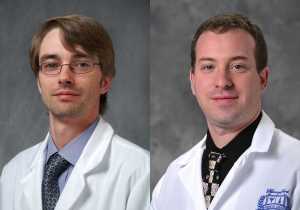 Dr. Jennings and Dr. Lazar[/caption]
Michael H. Lazar MD
Jeffrey H Jennings, MD
Pulmonary and Critical Care specialists
Henry Ford Hospital
Detroit Michigan
MedicalResearch.com: What is the background for this study? What are the main findings?
Response: Persons of color who are infected with COVID-19 have a higher incidence of hospitalization and death when compared to white patients. However, it was previously unknown if there was a difference in outcomes based upon race in patients who are sick enough to be treated in an intensive care unit (ICU).
Our study found that race made no difference in ICU outcomes.
MedicalResearch.com: What should readers take away from your report?
Response: Lack of racial differences in survival and other meaningful outcomes in the intensive care unit may be related to the highly protocolized nature of care and experience of the critical care team.
Dr. Jennings and Dr. Lazar[/caption]
Michael H. Lazar MD
Jeffrey H Jennings, MD
Pulmonary and Critical Care specialists
Henry Ford Hospital
Detroit Michigan
MedicalResearch.com: What is the background for this study? What are the main findings?
Response: Persons of color who are infected with COVID-19 have a higher incidence of hospitalization and death when compared to white patients. However, it was previously unknown if there was a difference in outcomes based upon race in patients who are sick enough to be treated in an intensive care unit (ICU).
Our study found that race made no difference in ICU outcomes.
MedicalResearch.com: What should readers take away from your report?
Response: Lack of racial differences in survival and other meaningful outcomes in the intensive care unit may be related to the highly protocolized nature of care and experience of the critical care team.
 Dr. Nguyen[/caption]
Ninh T. Nguyen, MD
Chief of Gastrointestinal Division, Surgery
UCI
MedicalResearch.com: What is the background for this study? What are the main findings
Response: There are limited national data on hospitalized patients in the US. To our knowledge, the current publication provides data on the largest cohort of COVID-19 patients hospitalized at US academic centers.
Dr. Nguyen[/caption]
Ninh T. Nguyen, MD
Chief of Gastrointestinal Division, Surgery
UCI
MedicalResearch.com: What is the background for this study? What are the main findings
Response: There are limited national data on hospitalized patients in the US. To our knowledge, the current publication provides data on the largest cohort of COVID-19 patients hospitalized at US academic centers.
 Tejasvi Hora[/caption]
Tejasvi Hora, PhD Candidate
Department of Geography and Environmental Management, University of Waterloo
Data Analyst, GEMINI, Unity Health Toronto
MedicalResearch.com: What is the background for this study?
Response: Death rates and resource use for COVID-19 hospitalization vary significantly worldwide, however, the characteristics and outcomes of COVID-19 hospitalizations in Canada have not been described in detail. Further, there is considerable uncertainty about how COVID-19 compares with influenza. In some circles, COVID-19 has been dismissed as being not more severe than “the flu”. We used data extracted from electronic health records of 7 hospitals in Ontario, Canada to describe characteristics and outcomes of hospitalization for COVID-19 and influenza.
Tejasvi Hora[/caption]
Tejasvi Hora, PhD Candidate
Department of Geography and Environmental Management, University of Waterloo
Data Analyst, GEMINI, Unity Health Toronto
MedicalResearch.com: What is the background for this study?
Response: Death rates and resource use for COVID-19 hospitalization vary significantly worldwide, however, the characteristics and outcomes of COVID-19 hospitalizations in Canada have not been described in detail. Further, there is considerable uncertainty about how COVID-19 compares with influenza. In some circles, COVID-19 has been dismissed as being not more severe than “the flu”. We used data extracted from electronic health records of 7 hospitals in Ontario, Canada to describe characteristics and outcomes of hospitalization for COVID-19 and influenza.
 Dr. Conway Morris[/caption]
Dr Andrew Conway Morris
Wellcome Trust Clinical Research Career Development Fellow
University of Cambridge
Hon Consultant in Intensive Care Medicine
Addenbrookes Hospital, Cambridge
MedicalResearch.com: What is the background for this study?
Response: Patients with COVID-19 frequently need to come to the intensive care unit (ICU), where we use mechanical ventilation to support their lungs as they get over the intense inflammation caused by the virus. During the first wave of the virus we noted that a lot of our patients appeared to be developing secondary infections (infections they didn’t have when they came into the ICU).
We therefore rolled out a rapid diagnostic test for these secondary bacterial infections that we had developed previously, and this study reports the use of this diagnostic and also describes the types of bacteria seen. To see if the increase in secondary infections was due to COVID specifically, we compared them to patients who were managed in the same ICU but who did not have COVID.
Dr. Conway Morris[/caption]
Dr Andrew Conway Morris
Wellcome Trust Clinical Research Career Development Fellow
University of Cambridge
Hon Consultant in Intensive Care Medicine
Addenbrookes Hospital, Cambridge
MedicalResearch.com: What is the background for this study?
Response: Patients with COVID-19 frequently need to come to the intensive care unit (ICU), where we use mechanical ventilation to support their lungs as they get over the intense inflammation caused by the virus. During the first wave of the virus we noted that a lot of our patients appeared to be developing secondary infections (infections they didn’t have when they came into the ICU).
We therefore rolled out a rapid diagnostic test for these secondary bacterial infections that we had developed previously, and this study reports the use of this diagnostic and also describes the types of bacteria seen. To see if the increase in secondary infections was due to COVID specifically, we compared them to patients who were managed in the same ICU but who did not have COVID.
 Dr. Chua[/caption]
Isaac Chua, MD, MPH
Division of General Internal Medicine and Primary Care
Brigham and Women's Hospital
MedicalResearch.com: What is the background for this study?
Response: Patient surveys have shown that most people prefer to die at home at the end-of-life. However, during the initial wave of the COVID-19 pandemic, anecdotal evidence from our colleagues and findings from a prior study published in the Journal of the American Geriatrics Society suggested that majority of COVID-19 decedents died in a medical facility. However, less is known about care intensity at the end-of-life according to place of death among patients who died of COVID-19. Therefore, we characterized end-of-life care by place of death among COVID-19 decedents at Mass General Brigham (MGB), the largest health system in Massachusetts.
Dr. Chua[/caption]
Isaac Chua, MD, MPH
Division of General Internal Medicine and Primary Care
Brigham and Women's Hospital
MedicalResearch.com: What is the background for this study?
Response: Patient surveys have shown that most people prefer to die at home at the end-of-life. However, during the initial wave of the COVID-19 pandemic, anecdotal evidence from our colleagues and findings from a prior study published in the Journal of the American Geriatrics Society suggested that majority of COVID-19 decedents died in a medical facility. However, less is known about care intensity at the end-of-life according to place of death among patients who died of COVID-19. Therefore, we characterized end-of-life care by place of death among COVID-19 decedents at Mass General Brigham (MGB), the largest health system in Massachusetts.

 Dr. Mazzeffi[/caption]
Michael Mazzeffi MD MPH MSc
Associate Professor of Anesthesiology
Division Chief Anesthesiology Critical Care Medicine
Medical Director Rapid Response Team
MedicalResearch.com: What is the background for this study?
Response: We have known for some time that COVID19 is characterized by hypercoagulability or excess blood clotting. In fact, the incidence of blood clots in the lungs (pulmonary emboli) is as high 20% and is two to three times more common in COVID19 than in severe influenza. Further, autopsies of patients who died from COVID19 have shown that endothelial cells (cells that line the blood vessels) are damaged and that "micro clots" form in multiple organs. Together, these findings strongly suggest that excess blood clotting and endothelial cell dysfunction are defining features of severe COVID19.
For several months, my colleagues and I have been interested in whether aspirin might improve outcomes in patients with severe COVID19. In prior observational research studies, aspirin was found to be protective in patients with severe lung injury. The general idea is that aspirin reduces platelet aggregates in the lung and this improves outcome. Unfortunately, in a prior randomized controlled study (LIPS-A) aspirin was not shown to reduce the incidence of acute respiratory distress syndrome. Nevertheless, COVID19 has unique features that make aspirin more likely to be effective. Mainly COVID19 is associated with hypercoagulability to a greater degree than in other viral illnesses.
Dr. Mazzeffi[/caption]
Michael Mazzeffi MD MPH MSc
Associate Professor of Anesthesiology
Division Chief Anesthesiology Critical Care Medicine
Medical Director Rapid Response Team
MedicalResearch.com: What is the background for this study?
Response: We have known for some time that COVID19 is characterized by hypercoagulability or excess blood clotting. In fact, the incidence of blood clots in the lungs (pulmonary emboli) is as high 20% and is two to three times more common in COVID19 than in severe influenza. Further, autopsies of patients who died from COVID19 have shown that endothelial cells (cells that line the blood vessels) are damaged and that "micro clots" form in multiple organs. Together, these findings strongly suggest that excess blood clotting and endothelial cell dysfunction are defining features of severe COVID19.
For several months, my colleagues and I have been interested in whether aspirin might improve outcomes in patients with severe COVID19. In prior observational research studies, aspirin was found to be protective in patients with severe lung injury. The general idea is that aspirin reduces platelet aggregates in the lung and this improves outcome. Unfortunately, in a prior randomized controlled study (LIPS-A) aspirin was not shown to reduce the incidence of acute respiratory distress syndrome. Nevertheless, COVID19 has unique features that make aspirin more likely to be effective. Mainly COVID19 is associated with hypercoagulability to a greater degree than in other viral illnesses.
 Dr. Pandey[/caption]
Gaurav Pandey, Ph.D.
Assistant Professor
Department of Genetics and Genomic Sciences
Icahn Institute of Genomics and Multiscale Biology
Icahn School of Medicine at Mount Sinai, New York
MedicalResearch.com: What is the background for this study? What are the main findings?
Response: Given the toll that the COVID-19 pandemic has taken on people's health and lives worldwide, it is crucial to be able to accurately predict patients' outcomes, including their chances of mortality from the disease. Using the largest clinical dataset to date, and a systematical machine learning framework, the research team at Mount Sinai identified an accurate and parsimonious prediction model of COVID-19 mortality.
This model was based on only three routinely collected clinical features, namely patient's age, minimum oxygen saturation over the course of their medical encounter, and type of patient encounter (inpatient vs outpatient and telehealth visits).
Dr. Pandey[/caption]
Gaurav Pandey, Ph.D.
Assistant Professor
Department of Genetics and Genomic Sciences
Icahn Institute of Genomics and Multiscale Biology
Icahn School of Medicine at Mount Sinai, New York
MedicalResearch.com: What is the background for this study? What are the main findings?
Response: Given the toll that the COVID-19 pandemic has taken on people's health and lives worldwide, it is crucial to be able to accurately predict patients' outcomes, including their chances of mortality from the disease. Using the largest clinical dataset to date, and a systematical machine learning framework, the research team at Mount Sinai identified an accurate and parsimonious prediction model of COVID-19 mortality.
This model was based on only three routinely collected clinical features, namely patient's age, minimum oxygen saturation over the course of their medical encounter, and type of patient encounter (inpatient vs outpatient and telehealth visits).
 Prof. Mebazaa[/caption]
Prof. Alexandre Mebazaa
Head of the Department of Anesthesia and Critical Care
Hôpital Lariboisiere and of the Research group MASCOT supported by Inserm and the Université de Paris (Paris, France).
Prof. Mebazaa is the principle investigator of the recently published preclinical experiments on Procizumab, a potent, pre-clinical drug candidate targeting DPP3 in patients with acute mycardial depression.
MedicalResearch.com: What is the background for this study? What is the significance of DPP3?
Response: The global burden of sepsis counts for one in three deaths world-wide. Recent findings have shown that circulating Dipeptidyl Pepidase 3 (cDPP3) is elevated in critical patients, including cardiogenic shock and septic patients, with the highest DPP3 blood levels found in non-survivors.
Dipeptidyl Peptidase 3 (DPP3) is an intracellular peptidase that is released into the bloodstream upon cell injury and death, where it inactivates many circulating peptides including angiotensin II. This process likely leads to cardiac depression. Procizumab is a humanized monoclonal antibody in preclinical development that targets and modulates DPP3. The aim of the current study was to evaluate the benefits of inhibiting circulating DPP3 by Procizumab in a preclinical model of sepsis-induced myocardial depression.
Prof. Mebazaa[/caption]
Prof. Alexandre Mebazaa
Head of the Department of Anesthesia and Critical Care
Hôpital Lariboisiere and of the Research group MASCOT supported by Inserm and the Université de Paris (Paris, France).
Prof. Mebazaa is the principle investigator of the recently published preclinical experiments on Procizumab, a potent, pre-clinical drug candidate targeting DPP3 in patients with acute mycardial depression.
MedicalResearch.com: What is the background for this study? What is the significance of DPP3?
Response: The global burden of sepsis counts for one in three deaths world-wide. Recent findings have shown that circulating Dipeptidyl Pepidase 3 (cDPP3) is elevated in critical patients, including cardiogenic shock and septic patients, with the highest DPP3 blood levels found in non-survivors.
Dipeptidyl Peptidase 3 (DPP3) is an intracellular peptidase that is released into the bloodstream upon cell injury and death, where it inactivates many circulating peptides including angiotensin II. This process likely leads to cardiac depression. Procizumab is a humanized monoclonal antibody in preclinical development that targets and modulates DPP3. The aim of the current study was to evaluate the benefits of inhibiting circulating DPP3 by Procizumab in a preclinical model of sepsis-induced myocardial depression.
 Dr. Kanter[/caption]
Genevieve Kanter, PhD
Leonard Davis Institute of Health Economic
Research Assistant Professor, General Internal Medicine,
Assistant Professor, Medical Ethics and Health Policy
Perelman School of Medicine
MedicalResearch.com: What is the background for this study?
Response: With the resurgence of COVID-19 and the likely seasonal resurgences, we were interested in whether those in low-income areas would be able to get access to the hospital care they might need. So we examined the distribution of ICU beds across the country and also looked at differences in the availability of ICU beds by household income in the community.
Dr. Kanter[/caption]
Genevieve Kanter, PhD
Leonard Davis Institute of Health Economic
Research Assistant Professor, General Internal Medicine,
Assistant Professor, Medical Ethics and Health Policy
Perelman School of Medicine
MedicalResearch.com: What is the background for this study?
Response: With the resurgence of COVID-19 and the likely seasonal resurgences, we were interested in whether those in low-income areas would be able to get access to the hospital care they might need. So we examined the distribution of ICU beds across the country and also looked at differences in the availability of ICU beds by household income in the community.
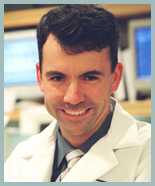 Dr. Landrigan[/caption]
Christopher P. Landrigan, MD, MPH
Chief, Division of General Pediatrics, Boston Children’s Hospital
Director, Sleep and Patient Safety Program, Brigham and Women's Hospital
William Berenberg Professor of Pediatrics, Harvard Medical School
Boston Children's Hospital
Boston, MA 02115
MedicalResearch.com: What is the background for this study?
Response: An enormous body of literature demonstrates that sleep deprivation adversely affects the safety and performance of resident physicians, as well as individuals across other occupations. Resident physicians are at greatly increased risk of suffering motor vehicle crashes and needlestick injuries, and are at substantially increased risk of making medical errors, when working on traditional schedules that include 24-hour shifts.
We previously conducted a randomized controlled trial in two intensive care units that found resident physicians made 36% fewer medical errors when a scheduling intervention was introduced that eliminated 24-hour shifts but held resident workload constant.
The current study, ROSTERS, was a 6-center study that again introduced a scheduling intervention to eliminate 24-hour shifts in intensive care units. Due to varying resources and unit organization across sites, each hospital developed its own staffing plan to accommodate the intervention.
Dr. Landrigan[/caption]
Christopher P. Landrigan, MD, MPH
Chief, Division of General Pediatrics, Boston Children’s Hospital
Director, Sleep and Patient Safety Program, Brigham and Women's Hospital
William Berenberg Professor of Pediatrics, Harvard Medical School
Boston Children's Hospital
Boston, MA 02115
MedicalResearch.com: What is the background for this study?
Response: An enormous body of literature demonstrates that sleep deprivation adversely affects the safety and performance of resident physicians, as well as individuals across other occupations. Resident physicians are at greatly increased risk of suffering motor vehicle crashes and needlestick injuries, and are at substantially increased risk of making medical errors, when working on traditional schedules that include 24-hour shifts.
We previously conducted a randomized controlled trial in two intensive care units that found resident physicians made 36% fewer medical errors when a scheduling intervention was introduced that eliminated 24-hour shifts but held resident workload constant.
The current study, ROSTERS, was a 6-center study that again introduced a scheduling intervention to eliminate 24-hour shifts in intensive care units. Due to varying resources and unit organization across sites, each hospital developed its own staffing plan to accommodate the intervention.
 Dr. Paul Young[/caption]
Dr. Paul Young MBChB, BSc (Hons), FCICM
Medical Director of the Wakefield Hospital ICU
Head of the Intensive Care Research Unit
Wellington Hospital
MedicalResearch.com: What is the background for this study?
Response: Proton pump inhibitors (PPIs) are among the most widely prescribed drugs in the intensive care unit (ICU) in the world. Many, if not most, prescriptions of PPIs in the ICU are for stress ulcer prophylaxis. Although PPIs are used most widely for this indication, histamine-2 receptor blockers (H2RBs) are used in preference to PPIs in some ICUs. This practice variation, which appears to be largely dependent on clinician preference rather than based on patient-specific factors, has continued for decades. The PPIs vs. H2RBs for Ulcer Prophylaxis Therapy in the Intensive Care Unit (PEPTIC) trial results raise the possibility that PPIs, the most commonly used medicines for stress ulcer prophylaxis, may be responsible for a clinically important increase in the risk of death that, in global health terms could equate to many tens of 1000s of deaths per year.
Dr. Paul Young[/caption]
Dr. Paul Young MBChB, BSc (Hons), FCICM
Medical Director of the Wakefield Hospital ICU
Head of the Intensive Care Research Unit
Wellington Hospital
MedicalResearch.com: What is the background for this study?
Response: Proton pump inhibitors (PPIs) are among the most widely prescribed drugs in the intensive care unit (ICU) in the world. Many, if not most, prescriptions of PPIs in the ICU are for stress ulcer prophylaxis. Although PPIs are used most widely for this indication, histamine-2 receptor blockers (H2RBs) are used in preference to PPIs in some ICUs. This practice variation, which appears to be largely dependent on clinician preference rather than based on patient-specific factors, has continued for decades. The PPIs vs. H2RBs for Ulcer Prophylaxis Therapy in the Intensive Care Unit (PEPTIC) trial results raise the possibility that PPIs, the most commonly used medicines for stress ulcer prophylaxis, may be responsible for a clinically important increase in the risk of death that, in global health terms could equate to many tens of 1000s of deaths per year.

 Dr. Weissman[/caption]
Gary Weissman, MD, MSHP
Assistant Professor of Medicine
Pulmonary, Allergy, and Critical Care Division
Palliative and Advanced Illness Research (PAIR) Center
University of Pennsylvania Perelman School of Medicine
MedicalResearch.com: What is the background for this study?
Response: There are millions of hospitalizations every year in the United States (US) that include a stay in an intensive care unit (ICU). Such ICU stays put strain on health system resources, may be unwanted by patients, and are costly to society. As the population of the US gets older and more medically complex, some have argued that we need more ICU beds and a larger ICU workforce to keep pace.
We hypothesized that some proportion of these ICU admissions could be prevented with early and appropriate outpatient care. Such a strategy would alleviate some of the strains and costs associated with ICU stays. If an appreciable proportion of ICU stays were preventable in this way, it would strengthen support for an alternative population-health based framework instead of further investments in the ICU delivery infrastructure.
Dr. Weissman[/caption]
Gary Weissman, MD, MSHP
Assistant Professor of Medicine
Pulmonary, Allergy, and Critical Care Division
Palliative and Advanced Illness Research (PAIR) Center
University of Pennsylvania Perelman School of Medicine
MedicalResearch.com: What is the background for this study?
Response: There are millions of hospitalizations every year in the United States (US) that include a stay in an intensive care unit (ICU). Such ICU stays put strain on health system resources, may be unwanted by patients, and are costly to society. As the population of the US gets older and more medically complex, some have argued that we need more ICU beds and a larger ICU workforce to keep pace.
We hypothesized that some proportion of these ICU admissions could be prevented with early and appropriate outpatient care. Such a strategy would alleviate some of the strains and costs associated with ICU stays. If an appreciable proportion of ICU stays were preventable in this way, it would strengthen support for an alternative population-health based framework instead of further investments in the ICU delivery infrastructure.
 Dr. QiPing Feng[/caption]
QiPing Feng, PhD
Division of Clinical Pharmacology
Department of Medicine
Vanderbilt University Medical Center
Nashville, Tennessee
MedicalResearch.com: What is the background for this study?
Response: Sepsis is one of the leading causes of hospital mortality. Yet, there are no specific effective treatments for it. Recent information suggests that drugs that inhibit proprotein convertase subtilisin kexin type 9 (PCSK9) could have potential as a new treatment for sepsis.
We used a genetic approach to test if variation in PCSK9 affected the risk of sepsis.
In patients admitted to hospital with infection, neither variants in the PCSK9 gene nor predicted expression of PCSK9 were associated with risk of sepsis or poorer outcomes after sepsis.
Dr. QiPing Feng[/caption]
QiPing Feng, PhD
Division of Clinical Pharmacology
Department of Medicine
Vanderbilt University Medical Center
Nashville, Tennessee
MedicalResearch.com: What is the background for this study?
Response: Sepsis is one of the leading causes of hospital mortality. Yet, there are no specific effective treatments for it. Recent information suggests that drugs that inhibit proprotein convertase subtilisin kexin type 9 (PCSK9) could have potential as a new treatment for sepsis.
We used a genetic approach to test if variation in PCSK9 affected the risk of sepsis.
In patients admitted to hospital with infection, neither variants in the PCSK9 gene nor predicted expression of PCSK9 were associated with risk of sepsis or poorer outcomes after sepsis.
![MedicalResearch.com Interview with: Regis Goulart Rosa, MD, PhD Responsabilidade Social - PROADI Hospital Moinhos de Vento MedicalResearch.com: What is the background for this study? Response: The debate about visiting policies in adult ICUs is of broad and current interest in critical care, with strong advocacy in favour of flexible family visitation models in order to promote patient- and family-centred care. However, the proportion of adult ICUs with unrestricted visiting hours is very low. Data from the literature show that 80% of hospitals in the United Kingdom and USA adopt restrictive ICU visiting policies. Among ICUs with restrictive visiting hours, published studies show that the daily visiting time ranges from a median of 1 hour in Italy to a mean of 4.7 hours in France. In agreement with this scenario, most adult ICUs in Brazil follow a restrictive visitation model, in which family members are allowed to visit the critically ill patient from 30 minutes to 1 hour, once or twice a day. These restrictive visitation models have been justified by the theoretical risks associated with unrestricted visiting hours, mainly infectious complications, disorganization of care, and burnout. Controversially, these risks have not been consistently confirmed by the scarce literature on the subject, and flexible ICU visiting hours have been proposed as a means to prevent delirium among patients and improve family satisfaction. MedicalResearch.com: What are the main findings? Response: Disappointingly, studies evaluating the effectiveness and safety of flexible ICU visiting hours are scarce. To date, no large randomized trials have assessed the impact of a flexible visiting model on patients, family members, and ICU staff, and this evidence gap may constitute a barrier to the understanding of the best way to implement and improve ICU visiting policies. In the present pragmatic cluster-randomized crossover trial (The ICU Visits Study), we engaged 1,685 patients, 1,295 family members, and 826 ICU professionals from 36 adult ICUs in Brazil to compare a flexible visitation model (12 hours/day plus family education) vs. the standard restricted visitation model (median 90 minutes per day). We found that the flexible visitation did not significantly reduce the incidence of delirium among patients, but was associated with fewer symptoms of anxiety and depression and higher satisfaction with care among family members in comparison to the usual restricted visitation. Also, the flexible visitation did not increase the incidence of ICU-acquired infections and ICU staff burnout, which are major concerns when adopting this intervention. MedicalResearch.com: What should readers take away from your report? Response: Considering the evidence suggesting that most adult ICUs restrict the presence of family members, our results provide useful and relevant information that may influence the debate about current ICU visitation policies around the world. First, a flexible visitation policy that permits flexible family visitation in ICU (up to 12 hour per day) is feasible, given the high adherence of participant ICUs to implementation in The ICU Visits Study. Second, the flexible family supported by family education is safe regarding the occurrence of infections, disorganization of care or staff burnout. Third, family members - a commonly missing piece of the critical care puzzle - seem to benefit from the flexible visitation model through higher satisfaction with care and less symptoms of anxiety and depression. MedicalResearch.com: What recommendations do you have for future research as a result of this work? Response: Future research might focus on the following topics: 1) methods of implementation of flexible visiting models in ICUs; 2) Family support interventions in the context of flexible ICU visiting hours (e.g.: psychological and social support, support for shared decision making, peer support, and comfort); and 3) How flexible ICU visiting hours affects patient, family member and staff outcome at long-term. Disclosures: The ICU Visits study was funded by the Brazilian Ministry of Health through the Brazilian Unified Health System Institutional Development Program (PROADI-SUS). Citation: Effect of Flexible Family Visitation on Delirium Among Patients in the Intensive Care Unit [wysija_form id="3"] [last-modified] The information on MedicalResearch.com is provided for educational purposes only, and is in no way intended to diagnose, cure, or treat any medical or other condition. Always seek the advice of your physician or other qualified health and ask your doctor any questions you may have regarding a medical condition. In addition to all other limitations and disclaimers in this agreement, service provider and its third party providers disclaim any liability or loss in connection with the content provided on this website.](https://medicalresearch.com/wp-content/uploads/hospital-ICU-intensive-care.jpg) Regis Goulart Rosa, MD, PhD
Responsabilidade Social - PROADI
Hospital Moinhos de Vento
MedicalResearch.com: What is the background for this study?
Response: The debate about visiting policies in adult ICUs is of broad and current interest in critical care, with strong advocacy in favour of flexible family visitation models in order to promote patient- and family-centred care. However, the proportion of adult ICUs with unrestricted visiting hours is very low. Data from the literature show that 80% of hospitals in the United Kingdom and USA adopt restrictive ICU visiting policies. Among ICUs with restrictive visiting hours, published studies show that the daily visiting time ranges from a median of 1 hour in Italy to a mean of 4.7 hours in France. In agreement with this scenario, most adult ICUs in Brazil follow a restrictive visitation model, in which family members are allowed to visit the critically ill patient from 30 minutes to 1 hour, once or twice a day. These restrictive visitation models have been justified by the theoretical risks associated with unrestricted visiting hours, mainly infectious complications, disorganization of care, and burnout. Controversially, these risks have not been consistently confirmed by the scarce literature on the subject, and flexible ICU visiting hours have been proposed as a means to prevent delirium among patients and improve family satisfaction.
Regis Goulart Rosa, MD, PhD
Responsabilidade Social - PROADI
Hospital Moinhos de Vento
MedicalResearch.com: What is the background for this study?
Response: The debate about visiting policies in adult ICUs is of broad and current interest in critical care, with strong advocacy in favour of flexible family visitation models in order to promote patient- and family-centred care. However, the proportion of adult ICUs with unrestricted visiting hours is very low. Data from the literature show that 80% of hospitals in the United Kingdom and USA adopt restrictive ICU visiting policies. Among ICUs with restrictive visiting hours, published studies show that the daily visiting time ranges from a median of 1 hour in Italy to a mean of 4.7 hours in France. In agreement with this scenario, most adult ICUs in Brazil follow a restrictive visitation model, in which family members are allowed to visit the critically ill patient from 30 minutes to 1 hour, once or twice a day. These restrictive visitation models have been justified by the theoretical risks associated with unrestricted visiting hours, mainly infectious complications, disorganization of care, and burnout. Controversially, these risks have not been consistently confirmed by the scarce literature on the subject, and flexible ICU visiting hours have been proposed as a means to prevent delirium among patients and improve family satisfaction.
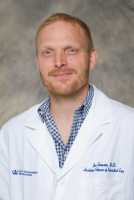 Dr. Claassen[/caption]
Jan Claassen, MD, PhD, FNCS
Associate Professor of Neurology
Division of Division of Critical Care and Hospitalist Neurology
Columbia University Medical Center
MedicalResearch.com: What is the background for this study? What are the main findings?
Response: Unconsciousness is common and predicting recovery is challenging – often inaccurate. Many patients do not show movements on commands and typically this is interpreted as unconsciousness. Some of these patients may be able to have brain response to these commands raising the possibility of some preservation of consciousness. This has previously been shown months or years after the injury mostly using MRI.
We were able to detect this activation at the bedside in the ICU shortly after brain injury. For this we applied machine learning to the EEG to distinguish the brain’s responses to commands. Patients that showed this activation were more likely to follow commands prior to discharge and had better outcomes one year later.
Dr. Claassen[/caption]
Jan Claassen, MD, PhD, FNCS
Associate Professor of Neurology
Division of Division of Critical Care and Hospitalist Neurology
Columbia University Medical Center
MedicalResearch.com: What is the background for this study? What are the main findings?
Response: Unconsciousness is common and predicting recovery is challenging – often inaccurate. Many patients do not show movements on commands and typically this is interpreted as unconsciousness. Some of these patients may be able to have brain response to these commands raising the possibility of some preservation of consciousness. This has previously been shown months or years after the injury mostly using MRI.
We were able to detect this activation at the bedside in the ICU shortly after brain injury. For this we applied machine learning to the EEG to distinguish the brain’s responses to commands. Patients that showed this activation were more likely to follow commands prior to discharge and had better outcomes one year later.
 Dr, Minh-Hong Nguyen[/caption]
Minh-Hong Nguyen, MD
Infectious Diseases
Professor of Medicine
Director, Transplant Infectious Diseases
Director, Antimicrobial Management Program
Department of Medicine
University of Pittsburgh School of Medicine
MedicalResearch.com: What is the background for this study? What are the main findings?
Response: Blood cultures, the gold standard for diagnosing blood stream infections, are insensitive and limited by prolonged time to results. Early institution of appropriate antibiotics is a crucial determinant of improved outcomes in patients with sepsis and blood stream infections (BSI). For these reasons, development of rapid non-culture diagnostic tests for blood stream infections is a top priority.
The T2Bacteria panel is the first direct from blood, non-culture test cleared by FDA for diagnosis of blood stream infections . It detects within 4-6 hours the 5 most common ESKAPE bacteria that are frequent causes of hospital infection, and which are often multi-drug resistant. This study shows that the T2Bacteria panel rapidly and accurately diagnosed and identified ESKAPE bacterial BSIs, and identified probable and possible BSIs that were missed by blood cultures (in particular among patients who were already receiving antibiotics).
Dr, Minh-Hong Nguyen[/caption]
Minh-Hong Nguyen, MD
Infectious Diseases
Professor of Medicine
Director, Transplant Infectious Diseases
Director, Antimicrobial Management Program
Department of Medicine
University of Pittsburgh School of Medicine
MedicalResearch.com: What is the background for this study? What are the main findings?
Response: Blood cultures, the gold standard for diagnosing blood stream infections, are insensitive and limited by prolonged time to results. Early institution of appropriate antibiotics is a crucial determinant of improved outcomes in patients with sepsis and blood stream infections (BSI). For these reasons, development of rapid non-culture diagnostic tests for blood stream infections is a top priority.
The T2Bacteria panel is the first direct from blood, non-culture test cleared by FDA for diagnosis of blood stream infections . It detects within 4-6 hours the 5 most common ESKAPE bacteria that are frequent causes of hospital infection, and which are often multi-drug resistant. This study shows that the T2Bacteria panel rapidly and accurately diagnosed and identified ESKAPE bacterial BSIs, and identified probable and possible BSIs that were missed by blood cultures (in particular among patients who were already receiving antibiotics).