
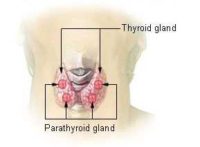
17 Jul What Are the Types of Surgical Procedures for Thyroid Disorders?
[caption id="attachment_69570" align="aligncenter" width="500"] Picture Credit[/caption]
 Picture Credit[/caption]


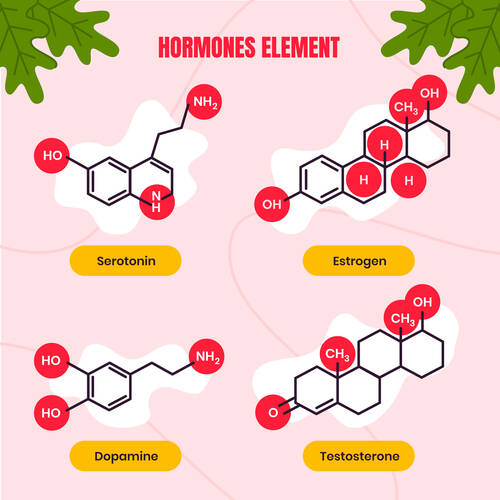
Hormones like estrogen, progesterone, testosterone, and cortisol influence many aspects of well-being, from energy and metabolism to mood and reproductive health. Addressing imbalances through a combination of nutrition, lifestyle changes, and medical guidance can help improve quality of life....
 Freepix[/caption]
The concept of hormonal homeostasis has been explored for over a century, with early research dating back to the late 19th and early 20th centuries. Scientists began to recognize the importance of hormones in maintaining the body’s internal balance, leading to groundbreaking discoveries in endocrinology. Today, hormonal homeostasis continues to be a vital area of research, offering insights into how the body adapts to changes and how imbalances can contribute to disease.
Freepix[/caption]
The concept of hormonal homeostasis has been explored for over a century, with early research dating back to the late 19th and early 20th centuries. Scientists began to recognize the importance of hormones in maintaining the body’s internal balance, leading to groundbreaking discoveries in endocrinology. Today, hormonal homeostasis continues to be a vital area of research, offering insights into how the body adapts to changes and how imbalances can contribute to disease.

Find out if thyroid-specific supplements are right for you, the benefits, and the risks....
 Elizabeth H.Z. Thompson, Ph.D.
Group vice president, Clinical Development and External Search
Horizon Therapeutics
MedicalResearch.com: What is the background for this study?
Response: This study provides the first U.S.-based validation of the Graves' Ophthalmopathy Quality of Life (GO-QOL) questionnaire. For your background, Graves’ Ophthalmopathy is another term used to describe Thyroid Eye Disease (TED). The GO-QOL questionnaire includes eight questions, each on visual functioning and appearance-related impacts of TED on patients. Though widely used and validated in Europe, the relevance of the questions for patients in the United States hasn’t previously been explored.For this evaluation, 13 eligible TED patients completed the questionnaire and then underwent a separate cognitive QOL-related interview.
Elizabeth H.Z. Thompson, Ph.D.
Group vice president, Clinical Development and External Search
Horizon Therapeutics
MedicalResearch.com: What is the background for this study?
Response: This study provides the first U.S.-based validation of the Graves' Ophthalmopathy Quality of Life (GO-QOL) questionnaire. For your background, Graves’ Ophthalmopathy is another term used to describe Thyroid Eye Disease (TED). The GO-QOL questionnaire includes eight questions, each on visual functioning and appearance-related impacts of TED on patients. Though widely used and validated in Europe, the relevance of the questions for patients in the United States hasn’t previously been explored.For this evaluation, 13 eligible TED patients completed the questionnaire and then underwent a separate cognitive QOL-related interview.
 Dr. Douglas[/caption]
Dr. Raymond Douglas MD PhD
Board Certified Oculoplastic Surgeon
Beverly Hills, CA
MedicalResearch.com: What is the background for this study? Would you briefly explain what is meant by proptosis? How does teprotumumab work?
Response: This study provides pooled efficacy data from the Phase 2 and 3 clinical trials of teprotumumab showing that the recently FDA-approved medicine effectively reduces proptosis, also known as eye bulging, in patients with Thyroid Eye Disease (TED) regardless of age, gender and smoking status. Proptosis is one of the most debilitating symptoms of TED, especially given the accompanying pain, vision impairment and emotional distress.
Teprotumumab is a fully human monoclonal antibody and a targeted inhibitor of the IGF-1 receptor. In patients with Thyroid Eye Disease, the IGF-1 receptor is overexpressed on orbital tissues and when activated, causes inflammation and enlargement of ocular muscles, expansion of orbital tissue and fat and forward displacement of the eye, resulting in eye bulging. The proteins in teprotumumab target and bind to the IGF-1 receptor and inhibit its function, thereby reducing inflammation, preventing tissue expansion behind the eye, and preventing muscle and fat tissue remodeling. Based on this mechanism of action, it is believed that teprotumumab addresses the underlying biology of the disease.
Dr. Douglas[/caption]
Dr. Raymond Douglas MD PhD
Board Certified Oculoplastic Surgeon
Beverly Hills, CA
MedicalResearch.com: What is the background for this study? Would you briefly explain what is meant by proptosis? How does teprotumumab work?
Response: This study provides pooled efficacy data from the Phase 2 and 3 clinical trials of teprotumumab showing that the recently FDA-approved medicine effectively reduces proptosis, also known as eye bulging, in patients with Thyroid Eye Disease (TED) regardless of age, gender and smoking status. Proptosis is one of the most debilitating symptoms of TED, especially given the accompanying pain, vision impairment and emotional distress.
Teprotumumab is a fully human monoclonal antibody and a targeted inhibitor of the IGF-1 receptor. In patients with Thyroid Eye Disease, the IGF-1 receptor is overexpressed on orbital tissues and when activated, causes inflammation and enlargement of ocular muscles, expansion of orbital tissue and fat and forward displacement of the eye, resulting in eye bulging. The proteins in teprotumumab target and bind to the IGF-1 receptor and inhibit its function, thereby reducing inflammation, preventing tissue expansion behind the eye, and preventing muscle and fat tissue remodeling. Based on this mechanism of action, it is believed that teprotumumab addresses the underlying biology of the disease.
 Dr. Douglas[/caption]
Raymond S Douglas MD PhD
Professor of Surgery, Division of Ophthalmology
Director of the Orbital and Thyroid Eye Disease Program
Cedars Sinai Medical Center
MedicalResearch.com: What is the background for this study?
Response: Thyroid eye disease (TED) is a debilitating disease that affects all aspects of a patients life. It is often associated with Graves' disease and thyroid abnormalities. TED causes profound bulging of the eyes impairing vision, causing eye pain and facial disfigurement.
Dr. Douglas[/caption]
Raymond S Douglas MD PhD
Professor of Surgery, Division of Ophthalmology
Director of the Orbital and Thyroid Eye Disease Program
Cedars Sinai Medical Center
MedicalResearch.com: What is the background for this study?
Response: Thyroid eye disease (TED) is a debilitating disease that affects all aspects of a patients life. It is often associated with Graves' disease and thyroid abnormalities. TED causes profound bulging of the eyes impairing vision, causing eye pain and facial disfigurement.

The most obvious take away is that correcting the magnesium levels can help patients to normalize calcium levels due to the synergy between the two....
 Dr. Chiung-Hui Peng[/caption]
Carol Chiung-Hui Peng, MD
Department of Internal Medicine
University of Maryland Medical Center
Baltimore, MD
MedicalResearch.com: What is the background for this study?
Response: In recently published meta-analyses, focusing on the general population, showed that both overt hypothyroidism and subclinical hypothyroidism were linked to higher all-cause and cardiovascular mortality. However, there is still debate and conflicting evidence on managing overt and subclinical hypothyroidism in the elderly.
This study aimed to evaluate and confirm the association between hypothyroidism and mortality in the elderly population.
Dr. Chiung-Hui Peng[/caption]
Carol Chiung-Hui Peng, MD
Department of Internal Medicine
University of Maryland Medical Center
Baltimore, MD
MedicalResearch.com: What is the background for this study?
Response: In recently published meta-analyses, focusing on the general population, showed that both overt hypothyroidism and subclinical hypothyroidism were linked to higher all-cause and cardiovascular mortality. However, there is still debate and conflicting evidence on managing overt and subclinical hypothyroidism in the elderly.
This study aimed to evaluate and confirm the association between hypothyroidism and mortality in the elderly population.
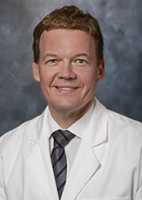 Dr. Douglas[/caption]
Raymond S. Douglas, MD, PhD
Ophthalmology
Cedars-Sinai, Los Angeles
MedicalResearch.com: What is the background for this study?
Response: The data presented at the American College of Rheumatology (ACR) annual meeting on November 11, 2019 are integrated, pooled efficacy data from the Phase 2 and Phase 3 clinical trials of teprotumumab for the treatment of active thyroid eye disease (TED) compared to placebo. The results support prior analyses of significant reductions in inflammation, proptosis (eye bulging) and diplopia (double vision), as well as improvements in quality of life (QoL). This presentation of the pooled analyses builds on the individual positive results of the Phase 2 and Phase 3 clinical studies.
Dr. Douglas[/caption]
Raymond S. Douglas, MD, PhD
Ophthalmology
Cedars-Sinai, Los Angeles
MedicalResearch.com: What is the background for this study?
Response: The data presented at the American College of Rheumatology (ACR) annual meeting on November 11, 2019 are integrated, pooled efficacy data from the Phase 2 and Phase 3 clinical trials of teprotumumab for the treatment of active thyroid eye disease (TED) compared to placebo. The results support prior analyses of significant reductions in inflammation, proptosis (eye bulging) and diplopia (double vision), as well as improvements in quality of life (QoL). This presentation of the pooled analyses builds on the individual positive results of the Phase 2 and Phase 3 clinical studies.
 Dr. Maria Del Pilar Brito[/caption]
Maria Brito, MD
Co-Director, Mount Sinai’s Thyroid Center
Assistant Professor, Medicine, Endocrinology, Diabetes and Bone Disease
Icahn School of Medicine at Mount Sinai
MedicalResearch.com: What is the background for this study?
Response: There have been reports of seasonal fluctuations in thyroid function, however there are no standard guidelines for management of such fluctuations and their clinical implications. It is not a well-studied subject and there are insufficient guidelines around its clinical implications.
MedicalResearch.com: What are the main findings?
Response: Our patient had winter elevation of TSH and summer normalisation repeatedly over a course of three years, but remained largely asymptomatic despite the biochemical alterations.
Dr. Maria Del Pilar Brito[/caption]
Maria Brito, MD
Co-Director, Mount Sinai’s Thyroid Center
Assistant Professor, Medicine, Endocrinology, Diabetes and Bone Disease
Icahn School of Medicine at Mount Sinai
MedicalResearch.com: What is the background for this study?
Response: There have been reports of seasonal fluctuations in thyroid function, however there are no standard guidelines for management of such fluctuations and their clinical implications. It is not a well-studied subject and there are insufficient guidelines around its clinical implications.
MedicalResearch.com: What are the main findings?
Response: Our patient had winter elevation of TSH and summer normalisation repeatedly over a course of three years, but remained largely asymptomatic despite the biochemical alterations.
 Dr. Birtwhistle[/caption]
Dr. Richard Birtwhistle, Professor
Departments of Family Medicine and Community Health and Epidemiology
Director of the Centre for Studies, Primary Care, Department of Family Medicine
Queen’s University
MedicalResearch.com: What is the background for this study?
Response: Testing for thyroid dysfunction is a commonly done by primary care practitioners. While the Thyroid stimulating hormone (TSH) test is an easy blood test to perform results outside the normal range are often found and will revert to normal over time without treatment in patients without symptoms.
We wanted to see if there was any clinical benefit to patients by screening for thyroid dysfunction.
Dr. Birtwhistle[/caption]
Dr. Richard Birtwhistle, Professor
Departments of Family Medicine and Community Health and Epidemiology
Director of the Centre for Studies, Primary Care, Department of Family Medicine
Queen’s University
MedicalResearch.com: What is the background for this study?
Response: Testing for thyroid dysfunction is a commonly done by primary care practitioners. While the Thyroid stimulating hormone (TSH) test is an easy blood test to perform results outside the normal range are often found and will revert to normal over time without treatment in patients without symptoms.
We wanted to see if there was any clinical benefit to patients by screening for thyroid dysfunction.
 Dr. Davies[/caption]
Terry Davies, MD
Co-Director, The Thyroid Center at Mount Sinai Union Square
Professor, Medicine, Endocrinology, Diabetes and Bone Disease
Icahn School of Medicine at Mount Sinai
MedicalResearch.com: What is the background for this study? What are the main findings?
Response: Many tissues contain stem cells that are responsible for regeneration and repair after injury. The mechanism of thyroid regeneration and the role of thyroid stem cells in this process is poorly understood. This an exploration of how the thyroid gland repairs itself.
Using a mouse model we found that a damaged gland can correct itself within 4 weeks and this involves a rapid increase in stem cells driving the repair.
Dr. Davies[/caption]
Terry Davies, MD
Co-Director, The Thyroid Center at Mount Sinai Union Square
Professor, Medicine, Endocrinology, Diabetes and Bone Disease
Icahn School of Medicine at Mount Sinai
MedicalResearch.com: What is the background for this study? What are the main findings?
Response: Many tissues contain stem cells that are responsible for regeneration and repair after injury. The mechanism of thyroid regeneration and the role of thyroid stem cells in this process is poorly understood. This an exploration of how the thyroid gland repairs itself.
Using a mouse model we found that a damaged gland can correct itself within 4 weeks and this involves a rapid increase in stem cells driving the repair.

 Dr. Davies[/caption]
Terry Davies, MD, Professor
Medicine, Endocrinology, Diabetes and Bone Disease
Icahn School of Medicine at Mount Sinai
Co-Director, The Thyroid Center, Mount Sinai Union Square
MedicalResearch.com: What is the background for this study? What are the main findings?
Response: The receptor for thyroid stimulating hormone (TSH) is the major antigen for Graves' disease and patients have unique antibodies to the TSHR which stimulate excessive thyroid hormone secretion.
We have characterized a variant TSHR called v1.3 which is a splicing variant which we find expressed in thyroid, bone marrow, thymus and adipose tissue and incorporates an intronic sequence which is fully translated.
Dr. Davies[/caption]
Terry Davies, MD, Professor
Medicine, Endocrinology, Diabetes and Bone Disease
Icahn School of Medicine at Mount Sinai
Co-Director, The Thyroid Center, Mount Sinai Union Square
MedicalResearch.com: What is the background for this study? What are the main findings?
Response: The receptor for thyroid stimulating hormone (TSH) is the major antigen for Graves' disease and patients have unique antibodies to the TSHR which stimulate excessive thyroid hormone secretion.
We have characterized a variant TSHR called v1.3 which is a splicing variant which we find expressed in thyroid, bone marrow, thymus and adipose tissue and incorporates an intronic sequence which is fully translated.
 Dr. Kassotis[/caption]
Christopher D. Kassotis, Ph.D.
NRSA Postdoctoral Research Scholar
Stapleton Lab
Duke University
Nicholas School of the Environment
Durham, NC 27708
MedicalResearch.com: What is the background for this study? What are the main findings?
Dr. Kassotis[/caption]
Christopher D. Kassotis, Ph.D.
NRSA Postdoctoral Research Scholar
Stapleton Lab
Duke University
Nicholas School of the Environment
Durham, NC 27708
MedicalResearch.com: What is the background for this study? What are the main findings?
 Dr. Klubo-Gwiezdzinska[/caption]
Joanna Klubo-Gwiezdzinska, M.D., Ph.D., M.H.Sc.
Assistant Clinical Investigator/Assistant Professor
Metabolic Disease Branch/NIDDK/NIH
Bethesda, MD
MedicalResearch.com: What is the background for this study? What are the main findings?
Response: People with intermediate- and high-risk differentiated thyroid cancer (DTC) are treated with surgical removal of the thyroid gland and radioactive iodine therapy. After surgery and initial treatment, the thyroid hormone levothyroxine is used for long-term management not only to replace appropriate physiologic thyroid hormones post-surgery, but also to suppress thyrotropin (TSH) release from the pituitary gland at supraphysiologic doses.
The current recommended American Thyroid Association TSH suppression goal in patients with a high-risk differentiated thyroid cancer presenting with distant metastases is less than 0.1mIU/ml, and between 0.1-0.5 mIU/ml for patients with intermediate-risk DTC presenting with local metastases to the neck lymph nodes. This TSH goal is much lower than physiologic TSH level, which ranges between 0.4-4.1 mIU/ml, depending on the measurement method and person’s age.
TSH suppression is used because some preclinical evidence suggests that TSH can stimulate growth of cancer cells. However, several preclinical studies show that thyroid hormones may also stimulate cancer growth. In addition, too much levothyroxine, leading to TSH suppression, may cause side effects such as abnormal heart rhythms and decreased bone mass.
In this study, based on a large multicenter database analysis, we found that continuous TSH suppression with levothyroxine was not associated with better progression-free survival and overall survival in patients with either intermediate- and high-risk differentiated thyroid cancer. The patients were followed for an average of 7 years after surgical thyroid cancer removal and radioactive iodine therapy.
Dr. Klubo-Gwiezdzinska[/caption]
Joanna Klubo-Gwiezdzinska, M.D., Ph.D., M.H.Sc.
Assistant Clinical Investigator/Assistant Professor
Metabolic Disease Branch/NIDDK/NIH
Bethesda, MD
MedicalResearch.com: What is the background for this study? What are the main findings?
Response: People with intermediate- and high-risk differentiated thyroid cancer (DTC) are treated with surgical removal of the thyroid gland and radioactive iodine therapy. After surgery and initial treatment, the thyroid hormone levothyroxine is used for long-term management not only to replace appropriate physiologic thyroid hormones post-surgery, but also to suppress thyrotropin (TSH) release from the pituitary gland at supraphysiologic doses.
The current recommended American Thyroid Association TSH suppression goal in patients with a high-risk differentiated thyroid cancer presenting with distant metastases is less than 0.1mIU/ml, and between 0.1-0.5 mIU/ml for patients with intermediate-risk DTC presenting with local metastases to the neck lymph nodes. This TSH goal is much lower than physiologic TSH level, which ranges between 0.4-4.1 mIU/ml, depending on the measurement method and person’s age.
TSH suppression is used because some preclinical evidence suggests that TSH can stimulate growth of cancer cells. However, several preclinical studies show that thyroid hormones may also stimulate cancer growth. In addition, too much levothyroxine, leading to TSH suppression, may cause side effects such as abnormal heart rhythms and decreased bone mass.
In this study, based on a large multicenter database analysis, we found that continuous TSH suppression with levothyroxine was not associated with better progression-free survival and overall survival in patients with either intermediate- and high-risk differentiated thyroid cancer. The patients were followed for an average of 7 years after surgical thyroid cancer removal and radioactive iodine therapy.
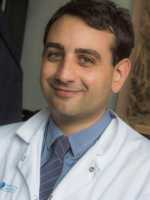 Dr. Salem[/caption]
Joe-Elie Salem, MD, PhD
Associate Professor - MCU-PH, Sorbonne Université - INSERM - CIC, Clinical Pharmacology, Cardio-oncology, APHP, La Pitié-Salpêtrière, Paris, France
Adjunct Associate Professor, Vanderbilt University Medical Center, Cardio-oncology
Clinical Pharmacology, Nashville, TN
MedicalResearch.com: What is the background for this study? What are the main findings?
Response: A study by researchers at Vanderbilt University Medical Center has strengthened the link between thyroid function and atrial fibrillation (AF), an irregular heart rhythm that increases the risk of stroke and other heart-related complications.
They phenome-wide association study scanned the medical records of more than 37,000 people for an association between genetically determined variation in thyroid stimulating hormone levels (a measure of thyroid function) and AF risk.
Previous observational studies have found that subclinical hyperthyroidism, an overactive thyroid which does not meet the clinical threshold for diagnosis or treatment, nevertheless can increase the risk of atrial fibrillation. But whether to treat subclinical hypo- or hyperthyroidism to reduce AF risk remains a matter of debate in the medical community.
Dr. Salem[/caption]
Joe-Elie Salem, MD, PhD
Associate Professor - MCU-PH, Sorbonne Université - INSERM - CIC, Clinical Pharmacology, Cardio-oncology, APHP, La Pitié-Salpêtrière, Paris, France
Adjunct Associate Professor, Vanderbilt University Medical Center, Cardio-oncology
Clinical Pharmacology, Nashville, TN
MedicalResearch.com: What is the background for this study? What are the main findings?
Response: A study by researchers at Vanderbilt University Medical Center has strengthened the link between thyroid function and atrial fibrillation (AF), an irregular heart rhythm that increases the risk of stroke and other heart-related complications.
They phenome-wide association study scanned the medical records of more than 37,000 people for an association between genetically determined variation in thyroid stimulating hormone levels (a measure of thyroid function) and AF risk.
Previous observational studies have found that subclinical hyperthyroidism, an overactive thyroid which does not meet the clinical threshold for diagnosis or treatment, nevertheless can increase the risk of atrial fibrillation. But whether to treat subclinical hypo- or hyperthyroidism to reduce AF risk remains a matter of debate in the medical community.

 Dr. med. Martin Feller, MSc Epidemiology (LSHTM)
FMH Allgemeine Innere Medizin & Prävention und Gesundheitswesen
Scientific Research Coordinator
INSELSPITAL, Universitätsspital Bern
Universitätsklinik und Poliklinik für Allgemeine Innere Medizin (RodondiResearch)
MedicalResearch.com: What is the background for this study? What are the main findings?
Response: SUBCLINICAL HYPOTHYROIDISM IS VERY COMMON, WITH AN ESTIMATED 13 MILLION AMERICANS AFFECTED. SUBCLINICAL HYPOTHYROIDISM IS OFTEN TREATED WITH LEVOTHYROXINE, PARTICULARLY WHEN IT CO-OCCURS WITH SYMPTOMS POTENTIALLY ATTRIBUTABLE TO HYPOTHYROIDISM SUCH AS TIREDNESS, CONSTIPATION, AND UNEXPLAINED WEIGHT GAIN. THIS PRACTICE MAY CONTRIBUTE TO LEVOTHYROXINE BEING THE MOST PRESCRIBED DRUG FROM 2014 ONWARDS IN THE US.
HOWEVER, IN OUR META-ANALYSIS OF 21 RANDOMIZED CLINICAL TRIALS, WE OBSERVED NO BENEFIT OF LEVOTHYROXINE THERAPY (COMPARED TO PLACEBO) REGARDING GENERAL QUALITY OF LIFE, THYROID-RELATED SYMPTOMS, DEPPRESSIVE SYMPTOMS, FATIGUE, COGNITIVE FUNCTION, BLOOD PRESSURE OR BODY-MASS INDEX.
Dr. med. Martin Feller, MSc Epidemiology (LSHTM)
FMH Allgemeine Innere Medizin & Prävention und Gesundheitswesen
Scientific Research Coordinator
INSELSPITAL, Universitätsspital Bern
Universitätsklinik und Poliklinik für Allgemeine Innere Medizin (RodondiResearch)
MedicalResearch.com: What is the background for this study? What are the main findings?
Response: SUBCLINICAL HYPOTHYROIDISM IS VERY COMMON, WITH AN ESTIMATED 13 MILLION AMERICANS AFFECTED. SUBCLINICAL HYPOTHYROIDISM IS OFTEN TREATED WITH LEVOTHYROXINE, PARTICULARLY WHEN IT CO-OCCURS WITH SYMPTOMS POTENTIALLY ATTRIBUTABLE TO HYPOTHYROIDISM SUCH AS TIREDNESS, CONSTIPATION, AND UNEXPLAINED WEIGHT GAIN. THIS PRACTICE MAY CONTRIBUTE TO LEVOTHYROXINE BEING THE MOST PRESCRIBED DRUG FROM 2014 ONWARDS IN THE US.
HOWEVER, IN OUR META-ANALYSIS OF 21 RANDOMIZED CLINICAL TRIALS, WE OBSERVED NO BENEFIT OF LEVOTHYROXINE THERAPY (COMPARED TO PLACEBO) REGARDING GENERAL QUALITY OF LIFE, THYROID-RELATED SYMPTOMS, DEPPRESSIVE SYMPTOMS, FATIGUE, COGNITIVE FUNCTION, BLOOD PRESSURE OR BODY-MASS INDEX.
 Dr. Breton[/caption]
Carrie Breton ScD
Associate Professor and Director of the MADRES Center
Division of Environmental Health
Los Angeles, CA 90032
MedicalResearch.com: What is the background for this study? What are the main findings?
Response: I am interested in how the environment can influence our very early development, starting in the womb. I have studied the health effects of air pollutants on children for several years and wanted to focus now on the earliest windows of susceptibility. Thyroid hormones play a critical role in fetal growth and development. We knew we could get information on newborn thyroid levels from the California Department of Public Health’s newborn screening program therefore look at this question in our study population.
We found that exposure to high levels of PM2.5 and PM10 throughout most of pregnancy affected TT4 levels in newborns.
Dr. Breton[/caption]
Carrie Breton ScD
Associate Professor and Director of the MADRES Center
Division of Environmental Health
Los Angeles, CA 90032
MedicalResearch.com: What is the background for this study? What are the main findings?
Response: I am interested in how the environment can influence our very early development, starting in the womb. I have studied the health effects of air pollutants on children for several years and wanted to focus now on the earliest windows of susceptibility. Thyroid hormones play a critical role in fetal growth and development. We knew we could get information on newborn thyroid levels from the California Department of Public Health’s newborn screening program therefore look at this question in our study population.
We found that exposure to high levels of PM2.5 and PM10 throughout most of pregnancy affected TT4 levels in newborns.
 Teja Grömer PD Dr. med. Habil
Facharzt für Psychiatrie und Psychotherapie
Lehrbefugter der Universität Erlangen-Nürnberg im Fach Psychiatrie
Bamberg
MedicalResearch.com: What is the background for this study?
1) I had seen hundreds of clinical cases with combined depression and anxiety and noted end of 2015 that most (far more than 50%) from the subjective clinical impression were associated with autoimmune thyroiditis (AIT)
2) Autoimmune thyroiditis on the mental side leads to specific symptoms, exhaustion, tachycardia, restlessness.
3) I thus decided to do a systematic review and meta-analysis.
Teja Grömer PD Dr. med. Habil
Facharzt für Psychiatrie und Psychotherapie
Lehrbefugter der Universität Erlangen-Nürnberg im Fach Psychiatrie
Bamberg
MedicalResearch.com: What is the background for this study?
1) I had seen hundreds of clinical cases with combined depression and anxiety and noted end of 2015 that most (far more than 50%) from the subjective clinical impression were associated with autoimmune thyroiditis (AIT)
2) Autoimmune thyroiditis on the mental side leads to specific symptoms, exhaustion, tachycardia, restlessness.
3) I thus decided to do a systematic review and meta-analysis.
 Begoña Ruiz Núñez[/caption]
Begoña Ruiz Núñez PhD (c)
Laboratory Medicine UMC Groningen
Co-directora de Healthy Institute
President of the Asociación Española de Psico-Neuro-Inmunologí
MedicalResearch.com: What is the background for this study?
Response: The diagnosis of Chronic Fatigue Syndrome (CFS) is based on the Fukuda criteria, i.e. symptoms, disability, and exclusion of explanatory illnesses, and not by means of physical signs or abnormalities in laboratory test results. CFS has been described as a ´allostatic overload condition´, where the physiological mechanisms employed to deal with stress contribute to the perpetuation of the disorder. Chronic Fatigue Syndrome patients are 1.9 times more likely to have a high allostatic load index than healthy controls. Thyroid allostasis-adaptive responses, presenting as non-thyroidal-illness syndrome, have been found in many conditions, ranging from critical illness, uremia and starvation to tumors. Taken together, it is possible that, despite TSH and T4 levels within reference ranges, Chronic Fatigue Syndrome symptoms may be attributable in part to allostatic responses, i.e. lower thyroid hormone activity, secondary to chronic (low-grade) inflammation caused by e.g. a compromised gut microbiome and gut wall integrity.
Begoña Ruiz Núñez[/caption]
Begoña Ruiz Núñez PhD (c)
Laboratory Medicine UMC Groningen
Co-directora de Healthy Institute
President of the Asociación Española de Psico-Neuro-Inmunologí
MedicalResearch.com: What is the background for this study?
Response: The diagnosis of Chronic Fatigue Syndrome (CFS) is based on the Fukuda criteria, i.e. symptoms, disability, and exclusion of explanatory illnesses, and not by means of physical signs or abnormalities in laboratory test results. CFS has been described as a ´allostatic overload condition´, where the physiological mechanisms employed to deal with stress contribute to the perpetuation of the disorder. Chronic Fatigue Syndrome patients are 1.9 times more likely to have a high allostatic load index than healthy controls. Thyroid allostasis-adaptive responses, presenting as non-thyroidal-illness syndrome, have been found in many conditions, ranging from critical illness, uremia and starvation to tumors. Taken together, it is possible that, despite TSH and T4 levels within reference ranges, Chronic Fatigue Syndrome symptoms may be attributable in part to allostatic responses, i.e. lower thyroid hormone activity, secondary to chronic (low-grade) inflammation caused by e.g. a compromised gut microbiome and gut wall integrity.
 Dr. Sosa[/caption]
Julie Sosa, MD MA FACS
Professor of Surgery and Medicine
Chief, Section of Endocrine Surgery
Director, Surgical Center for Outcomes Research
Leader, Endocrine Neoplasia Diseases Group
Duke Cancer Institute and Duke Clinical Research Institute
Durham, NC 2771
MedicalResearch.com: What is the background for this study?
Response: The incidence of thyroid cancer has dramatically increased world-wide over the last several decades. In the United States, thyroid cancer is the fastest increasing cancer among women and men. This observation has been almost exclusively the result of an epidemic of papillary thyroid cancer, or PTC, which now comprises approximately 90% of new cases.
The use of flame retardant chemicals, or Flame Retardant Chemicals, also increased over the last several decades due to the implementation of mandatory and voluntary flammability standards for furniture, electronics, and construction materials. Over time, FRs come out of these products and accumulate in indoor environments where humans are exposed. Animal studies suggest that FRs can disrupt thyroid function, and many contribute to cancer risk. But many human health endpoints have not been investigated.
Our work was aimed at investigating whether exposure to Flame Retardant Chemicals could be associated with PTC. To address our research question, we recruited 140 adults, 70 with PTC and 70 who were healthy volunteers without evidence for thyroid cancer or thyroid disease. Then we visited participants’ homes and collected dust samples, a metric that we have previously shown is an indicator of long-term exposure to Flame Retardant Chemicals in the home.
Dr. Sosa[/caption]
Julie Sosa, MD MA FACS
Professor of Surgery and Medicine
Chief, Section of Endocrine Surgery
Director, Surgical Center for Outcomes Research
Leader, Endocrine Neoplasia Diseases Group
Duke Cancer Institute and Duke Clinical Research Institute
Durham, NC 2771
MedicalResearch.com: What is the background for this study?
Response: The incidence of thyroid cancer has dramatically increased world-wide over the last several decades. In the United States, thyroid cancer is the fastest increasing cancer among women and men. This observation has been almost exclusively the result of an epidemic of papillary thyroid cancer, or PTC, which now comprises approximately 90% of new cases.
The use of flame retardant chemicals, or Flame Retardant Chemicals, also increased over the last several decades due to the implementation of mandatory and voluntary flammability standards for furniture, electronics, and construction materials. Over time, FRs come out of these products and accumulate in indoor environments where humans are exposed. Animal studies suggest that FRs can disrupt thyroid function, and many contribute to cancer risk. But many human health endpoints have not been investigated.
Our work was aimed at investigating whether exposure to Flame Retardant Chemicals could be associated with PTC. To address our research question, we recruited 140 adults, 70 with PTC and 70 who were healthy volunteers without evidence for thyroid cancer or thyroid disease. Then we visited participants’ homes and collected dust samples, a metric that we have previously shown is an indicator of long-term exposure to Flame Retardant Chemicals in the home.
 Dr. Casey[/caption]
Professor Brian Casey, M.D.
Gillette Professorship of Obstetrics and Gynecology
UT Southwestern Medical Center
MedicalResearch.com: What is the background for this study?
Response: For several decades now, subclinical thyroid disease, variously defined, has been associated with adverse pregnancy outcomes. In 1999, two studies are responsible for increasing interest in subclinical thyroid disease during pregnancy because it was associated with impaired neuropsychological development in the fetus. One study showed that children born to women with the highest TSH levels had lower IQ levels. The other showed that children of women with isolated low free thyroid hormone levels performed worse on early psychomotor developmental tests. Together, these findings led several experts and professional organizations to recommend routine screening for and treatment of subclinical thyroid disease during pregnancy.
Our study was designed to determine whether screening for either of these two diagnoses and treatment with thyroid hormone replacement during pregnancy actually improved IQ in children at 5 years of age.
Dr. Casey[/caption]
Professor Brian Casey, M.D.
Gillette Professorship of Obstetrics and Gynecology
UT Southwestern Medical Center
MedicalResearch.com: What is the background for this study?
Response: For several decades now, subclinical thyroid disease, variously defined, has been associated with adverse pregnancy outcomes. In 1999, two studies are responsible for increasing interest in subclinical thyroid disease during pregnancy because it was associated with impaired neuropsychological development in the fetus. One study showed that children born to women with the highest TSH levels had lower IQ levels. The other showed that children of women with isolated low free thyroid hormone levels performed worse on early psychomotor developmental tests. Together, these findings led several experts and professional organizations to recommend routine screening for and treatment of subclinical thyroid disease during pregnancy.
Our study was designed to determine whether screening for either of these two diagnoses and treatment with thyroid hormone replacement during pregnancy actually improved IQ in children at 5 years of age.
 Dr. Jana Weiss[/caption]
Jana Weiss PhD
Department of Environmental Science and Analytical Chemistry
Stockholm University
MedicalResearch.com: What is the background for this study? What are the main findings?
Response: In an earlier publication, we could see an association between elevated concentrations of brominated flame retardants (BFR) in the blood of cats with developed Feline hyperthyroidism, compared to healthy cats (Norrgran et al 2015, ES&T 49:5107-5014). To establish the exposure pathway we now took paired samples from healthy cats and dust from their households. We also analysed the cats food to include another major exposure pathway. In total 17 families participated. They lived in houses in the countryside or in apartments in the city. All families had kids under 12 years of age living at home, thus representing a household with typical child products. The dust was sampled from the living room, the child’s room and from the adult’s bedrooms. We could not see any difference in the composition of compounds between the rooms, but we saw that levels were in general higher in the living room compared to the other two rooms. This was expected as many products being treated with BFRs can be found in the living room.
We could see that higher levels of some brominated flame retardants in the dust were correlated to elevated levels in the cat’s blood. Therefore, this hypothesized exposure pathways is now statistically established. We could also confirm cat food to be the major exposure pathway for naturally brominated compounds coming from the marine food web, such as6-OH-BDE47, a known thyroid hormone disruptor.
Dr. Jana Weiss[/caption]
Jana Weiss PhD
Department of Environmental Science and Analytical Chemistry
Stockholm University
MedicalResearch.com: What is the background for this study? What are the main findings?
Response: In an earlier publication, we could see an association between elevated concentrations of brominated flame retardants (BFR) in the blood of cats with developed Feline hyperthyroidism, compared to healthy cats (Norrgran et al 2015, ES&T 49:5107-5014). To establish the exposure pathway we now took paired samples from healthy cats and dust from their households. We also analysed the cats food to include another major exposure pathway. In total 17 families participated. They lived in houses in the countryside or in apartments in the city. All families had kids under 12 years of age living at home, thus representing a household with typical child products. The dust was sampled from the living room, the child’s room and from the adult’s bedrooms. We could not see any difference in the composition of compounds between the rooms, but we saw that levels were in general higher in the living room compared to the other two rooms. This was expected as many products being treated with BFRs can be found in the living room.
We could see that higher levels of some brominated flame retardants in the dust were correlated to elevated levels in the cat’s blood. Therefore, this hypothesized exposure pathways is now statistically established. We could also confirm cat food to be the major exposure pathway for naturally brominated compounds coming from the marine food web, such as6-OH-BDE47, a known thyroid hormone disruptor.
 Dr. Spyridoula Maraka[/caption]
Dr. Spyridoula Maraka
Assistant professor of medicine
Division of Endocrinology and Metabolism
Center for Osteoporosis and Metabolic Bone Diseases
University of Arkansas for Medical Sciences and
Central Arkansas Veterans Health Care System
Little Rock Arkansas
MedicalResearch.com: What is the background for this study? What are the main findings?
Response: Subclinical hypothyroidism, a mild thyroid dysfunction, has been associated in pregnancy with multiple adverse outcomes. Our aim was to estimate the effectiveness and safety of thyroid hormone treatment among pregnant women with subclinical hypothyroidism.
Using a large national US dataset, we identified 5,405 pregnant women diagnosed with subclinical hypothyroidism. Of these, 843 women, with an average pretreatment TSH concentration of 4.8 milli-international units per liter, were treated with thyroid hormone. The remaining 4,562, with an average pretreatment TSH concentration of 3.3 milli-international units per liter, were not treated.
Compared with the untreated group, treated women were 38 percent less likely to experience pregnancy loss. However, they were more likely to experience a preterm delivery, gestational diabetes or preeclampsia. Moreover, the benefit of thyroid hormone treatment on pregnancy loss was seen only among women with higher TSH levels (4.1 to 10 mIU/L) before treatment. We also found that for women with lower levels of TSH (2.5–4.0 mIU/L), the risk of gestational hypertension was significantly higher for treated women than for untreated women.
Dr. Spyridoula Maraka[/caption]
Dr. Spyridoula Maraka
Assistant professor of medicine
Division of Endocrinology and Metabolism
Center for Osteoporosis and Metabolic Bone Diseases
University of Arkansas for Medical Sciences and
Central Arkansas Veterans Health Care System
Little Rock Arkansas
MedicalResearch.com: What is the background for this study? What are the main findings?
Response: Subclinical hypothyroidism, a mild thyroid dysfunction, has been associated in pregnancy with multiple adverse outcomes. Our aim was to estimate the effectiveness and safety of thyroid hormone treatment among pregnant women with subclinical hypothyroidism.
Using a large national US dataset, we identified 5,405 pregnant women diagnosed with subclinical hypothyroidism. Of these, 843 women, with an average pretreatment TSH concentration of 4.8 milli-international units per liter, were treated with thyroid hormone. The remaining 4,562, with an average pretreatment TSH concentration of 3.3 milli-international units per liter, were not treated.
Compared with the untreated group, treated women were 38 percent less likely to experience pregnancy loss. However, they were more likely to experience a preterm delivery, gestational diabetes or preeclampsia. Moreover, the benefit of thyroid hormone treatment on pregnancy loss was seen only among women with higher TSH levels (4.1 to 10 mIU/L) before treatment. We also found that for women with lower levels of TSH (2.5–4.0 mIU/L), the risk of gestational hypertension was significantly higher for treated women than for untreated women.
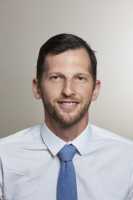 Dr. Ilya Likhterov[/caption]
Ilya Likhterov, MD
Assistant Professor, Otolaryngology
Icahn School of Medicine at Mount Sinai
MedicalResearch.com: What is the background for this study? What are the main findings?
Response: As our understanding of thyroid cancer improves, the way these patients are diagnosed and treated is changing. It is difficult for clinicians to incorporate every individual scientific study into their practice. These studies are numerous and the results can be conflicting.
To address this difficulty, organizations such as the American Thyroid Association (ATA) create summary recommendations that account for the latest research and translate it into a format that is easily usable for physicians. Such clinical practice guidelines are available not just for thyroid cancer care, but in many other fields. The difficulty however, is how to ensure that clinicians have access to the guidelines and incorporate the recommendations into their practice.
There are a number of barriers to actually using the guidelines in practice, and we attempt to identify strategies on how to overcome these.
Dr. Ilya Likhterov[/caption]
Ilya Likhterov, MD
Assistant Professor, Otolaryngology
Icahn School of Medicine at Mount Sinai
MedicalResearch.com: What is the background for this study? What are the main findings?
Response: As our understanding of thyroid cancer improves, the way these patients are diagnosed and treated is changing. It is difficult for clinicians to incorporate every individual scientific study into their practice. These studies are numerous and the results can be conflicting.
To address this difficulty, organizations such as the American Thyroid Association (ATA) create summary recommendations that account for the latest research and translate it into a format that is easily usable for physicians. Such clinical practice guidelines are available not just for thyroid cancer care, but in many other fields. The difficulty however, is how to ensure that clinicians have access to the guidelines and incorporate the recommendations into their practice.
There are a number of barriers to actually using the guidelines in practice, and we attempt to identify strategies on how to overcome these.